

Depression and Anxiety
How a Young Artist Found His Way Back After Years of Depression
Hillel Bazak shares how the isolation of COVID led to years of depression, and how Torah, family support, faith, and creativity helped him rediscover his strength and purpose
- Michal Arieli
- | Updated
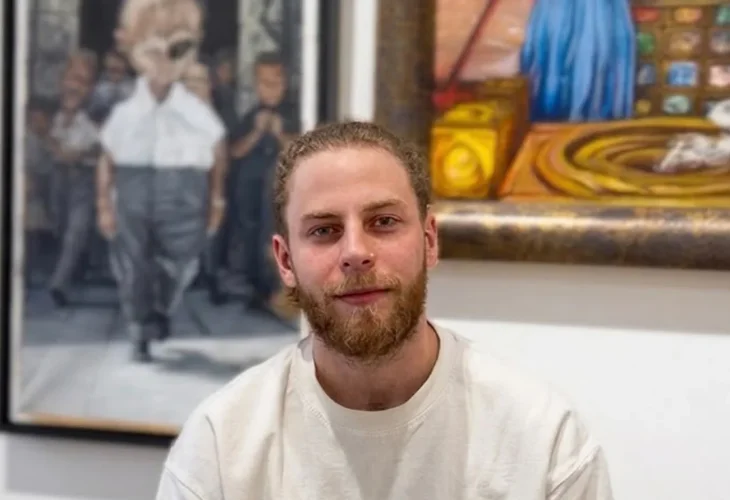 Hillel Bazak
Today, nearly six years after the COVID-19 pandemic entered our lives, numerous studies have documented the complex effects that lockdowns and prolonged isolation had on the public, including increased experiences of depression. For Hillel Bazak, a young artist from Alon Shvut, those findings are far more than abstract research. He lived through them personally.
“Until COVID, I was a regular child and teenager,” he recalls. “I grew up in a wonderful family in Alon Shvut, with wonderful parents who are both educators. My father is Rabbi Amnon Bazak, a teacher at Yeshivat Har Etzion, and my mother, Anat Bazak, is a veteran educator. I don’t think there was anything in my childhood that could have predicted what I was about to go through. But when COVID began, I fell into a deep depression that stayed with me for several years.”
“I Couldn’t See Anything Positive in Myself”
Depression in a young man is not always openly discussed, and Bazak is keenly aware of that. Yet alongside the difficulty, he feels that Hashem provided him with a source of strength even before the crisis began by connecting him to the world of art.
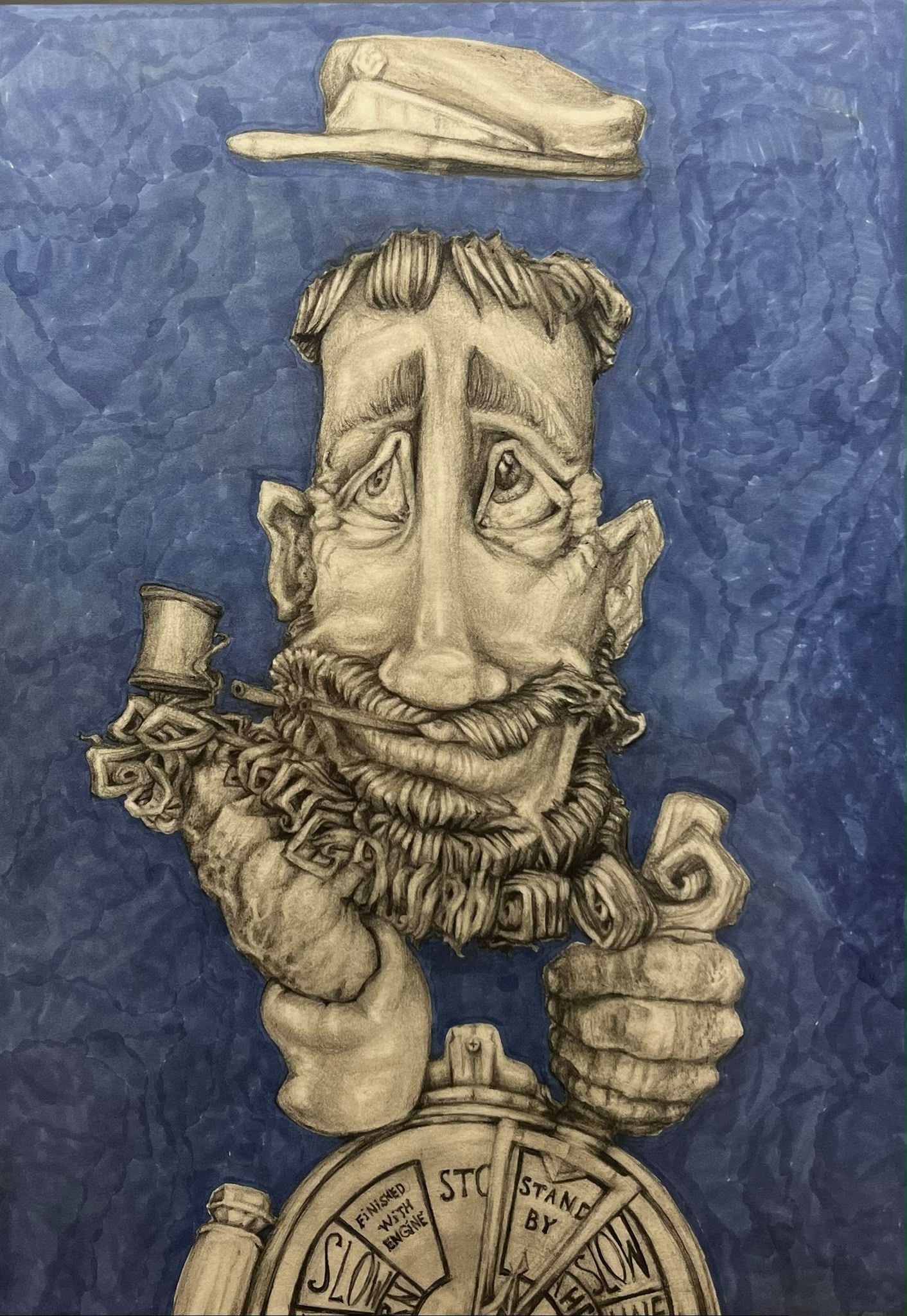
“I love creating art,” he says. “Even as a child, I drew constantly and used drawing as a way to express myself, my emotions, and what I was feeling. To be honest, when I look back at my earliest drawings today, I realize I wasn’t especially talented. They were completely average and showed no extraordinary ability. But I loved drawing so much that I kept doing it constantly, and naturally, my talent developed over time.”
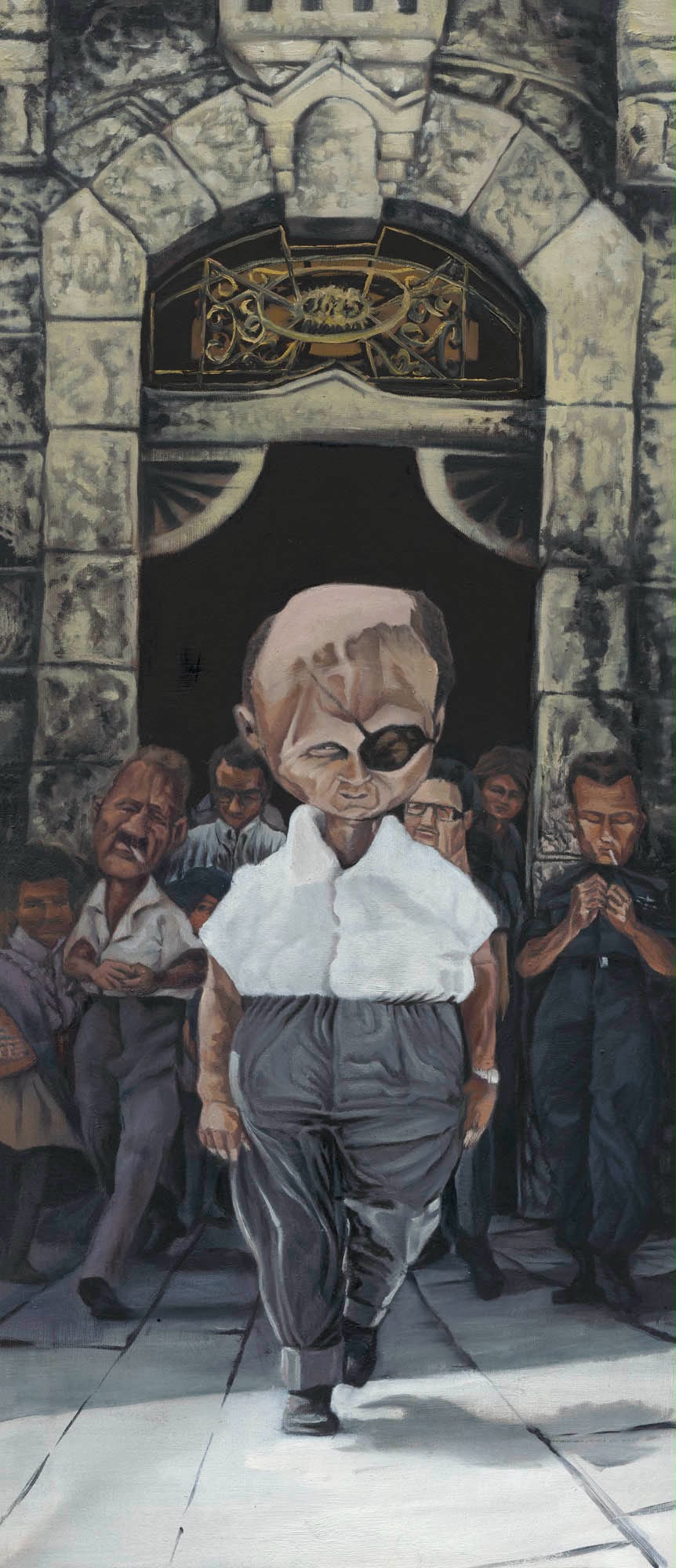
Asked what he used to draw, Bazak smiles. “It would be more accurate to ask what I drew on. As a schoolchild, I drew on notebooks and textbooks, and at home I drew on every piece of paper I could find. Later, I moved to the computer and created many comics dealing with historical stories and subjects that interested me, such as Jewish settlement in our region. Where I grew up, one of the most widely discussed issues is the complex relationship between Jews and Arabs, and that found a great deal of expression in my artwork.”
Despite the countless hours he devoted to art, Bazak says it did not come at the expense of his studies or responsibilities. “Alongside all the drawing, I tried to invest in my schoolwork and set boundaries for myself. Still, there is no question that the afternoons were my favorite time. I devoted all my free time to drawing, comics, and even enormous works of art measuring several meters.”
His years in yeshiva remain an especially positive chapter in his memory. Although he drew less during that period, he flourished socially, invested in his studies, and enjoyed his life.
Then COVID arrived. The prolonged isolation, forced time away from his regular routine, and social distancing affected him profoundly. What began as a crisis gradually deepened into depression. Among other consequences, it prevented him from completing his military service in the way he had hoped.
“It was a very dark period,” Bazak recalls. “I was confused. I felt that I couldn’t find my place in any framework, and I struggled to find the strength to get up in the morning and take responsibility for my life. My self-image was at rock bottom. I didn’t value myself, and I couldn’t see anything positive in myself.”
Surprisingly, many of the people around him had little idea of the storm taking place inside him. “There were quite a few people close to me who simply didn’t notice what I was going through,” he says. But he is quick to add that he does not blame them. “Most of us are busy with the demands of everyday life, and I don’t expect people to notice everything.”
His parents, however, did notice. They were attentive, deeply concerned, and remained beside him throughout the ordeal. Bazak speaks about them with profound gratitude. The crisis ultimately strengthened their relationship, creating a new depth of communication and bringing them closer than they had ever been before.
What helped you to begin emerging from the depression?
“I genuinely don’t know,” Bazak answers. “Because those strengths were definitely not my own. Hashem sent them to me through my parents and rabbis, and I also received direct spiritual illumination from Above.”
During this period, Bazak says he experienced powerful spiritual moments and discovered new areas of Torah learning that he had not previously explored in depth. His spiritual life grew stronger precisely when other parts of his life seemed to be falling apart.
“I felt that I was being given the strength to immerse myself in Torah specifically during that period, because Torah was what was saving and strengthening me.”
If someone had told you at the time that within a few years you would emerge from the crisis and become an artist exhibiting your work publicly, would you have believed them?
“I don’t think I would have believed it,” he admits. “But I noticed something interesting. When you reach the deepest point of despair, sometimes that is precisely where things begin opening up in unexpected ways.”
He experienced this repeatedly during his most difficult moments. Bazak connects it to the point at which a person recognizes the limits of his own control. “There comes a moment when you say to yourself, ‘I’ve made my effort. I have no idea how to move forward from here, and I’m placing everything in the hands of the Creator.’ Often, when you connect to that place, that is exactly when something begins to open.”
From Architecture to Art
For Bazak, that opening eventually led to a genuine process of rebuilding. Because of his skill in drawing and drafting, it was decided that he would study architecture. He enrolled at Bezalel and studied the field for a year.
Yet even there, he found himself continually drawn back to art.
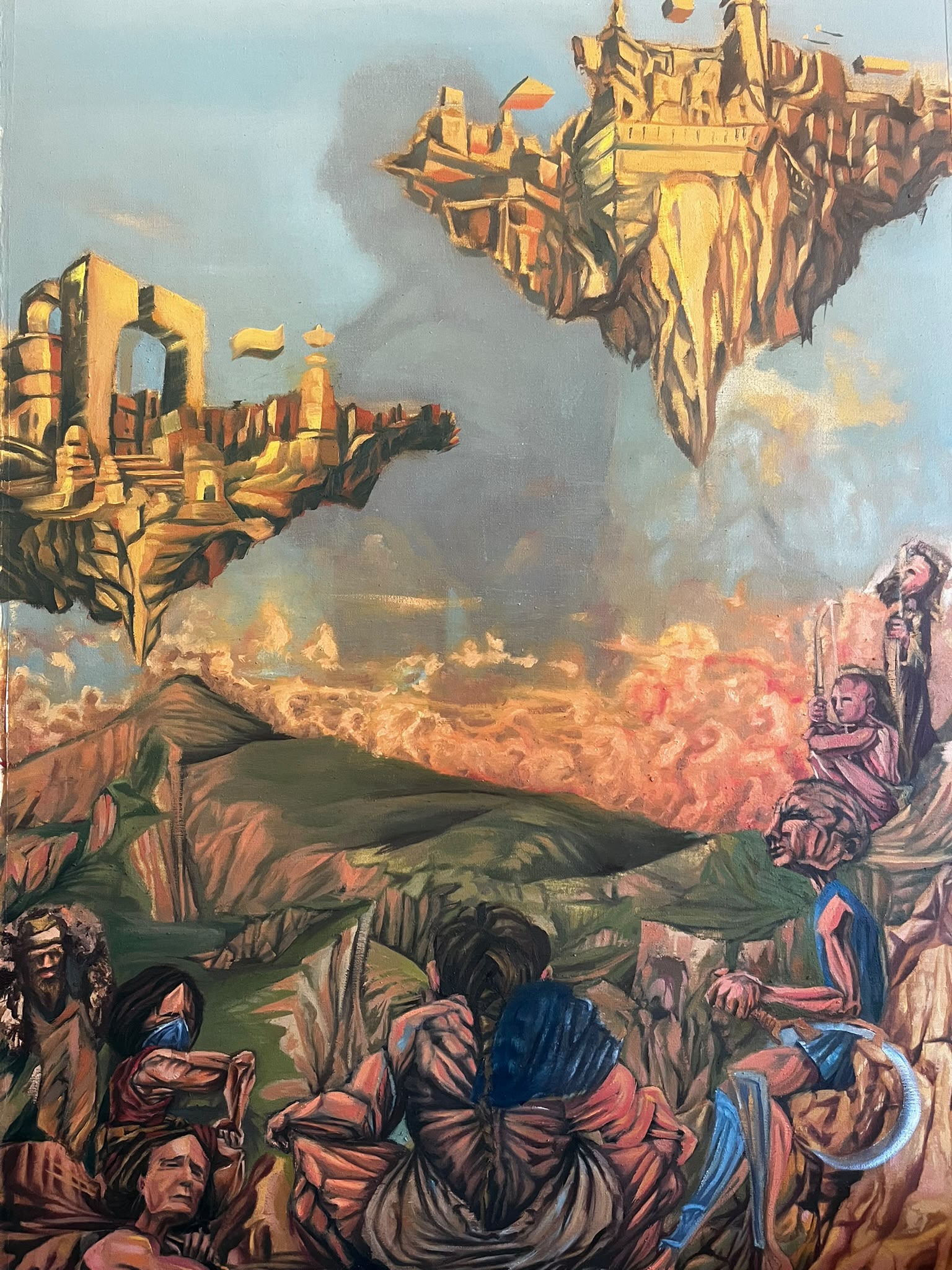
“I would draw architectural motifs, lots of works involving squares and proportions. One of my major paintings from that period showed an architect bent over his plans. To this day, I consider it one of the most distinctive works I have ever created.”
After a year, however, Bazak reached a clear conclusion. Architecture was not what he truly wanted. “I realized that I wasn’t looking for architecture. I simply wanted to be an artist. I wanted to paint.”
His parents supported the decision wholeheartedly. “Unlike parents who might panic when their son says he wants to become an artist and start telling him, ‘Become a professor’ or ‘Go into high-tech,’ my parents were extremely supportive. They were even excited about the exhibitions I opened. That is something I don’t take for granted at all.”
And did you really become an artist?
“A very young artist,” he replies with a smile.
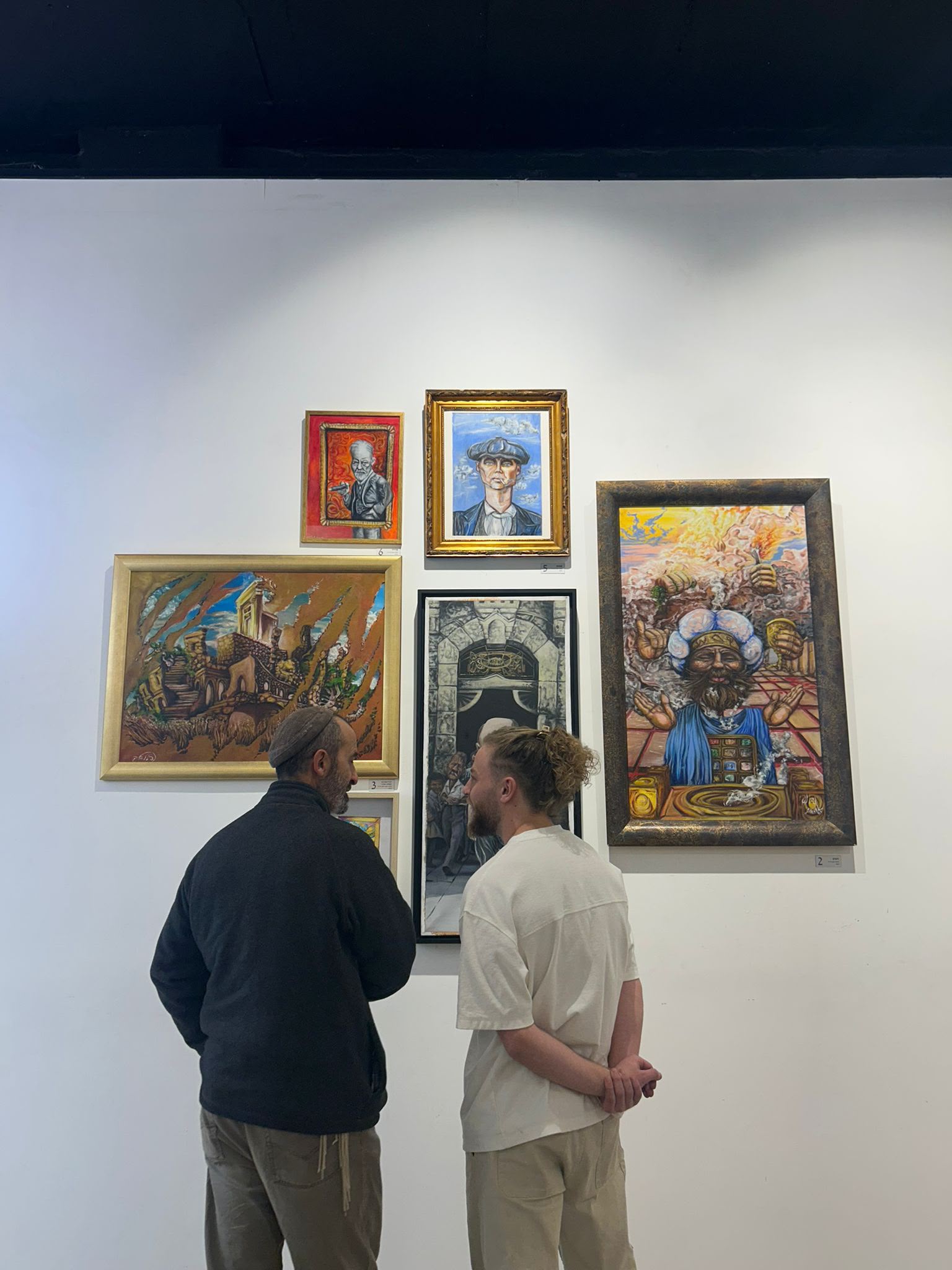
In recent years, Bazak has gradually been finding his place in the art world and exhibiting his work in different locations. Hearing that one of his paintings or other works has been sold brings him particular satisfaction.
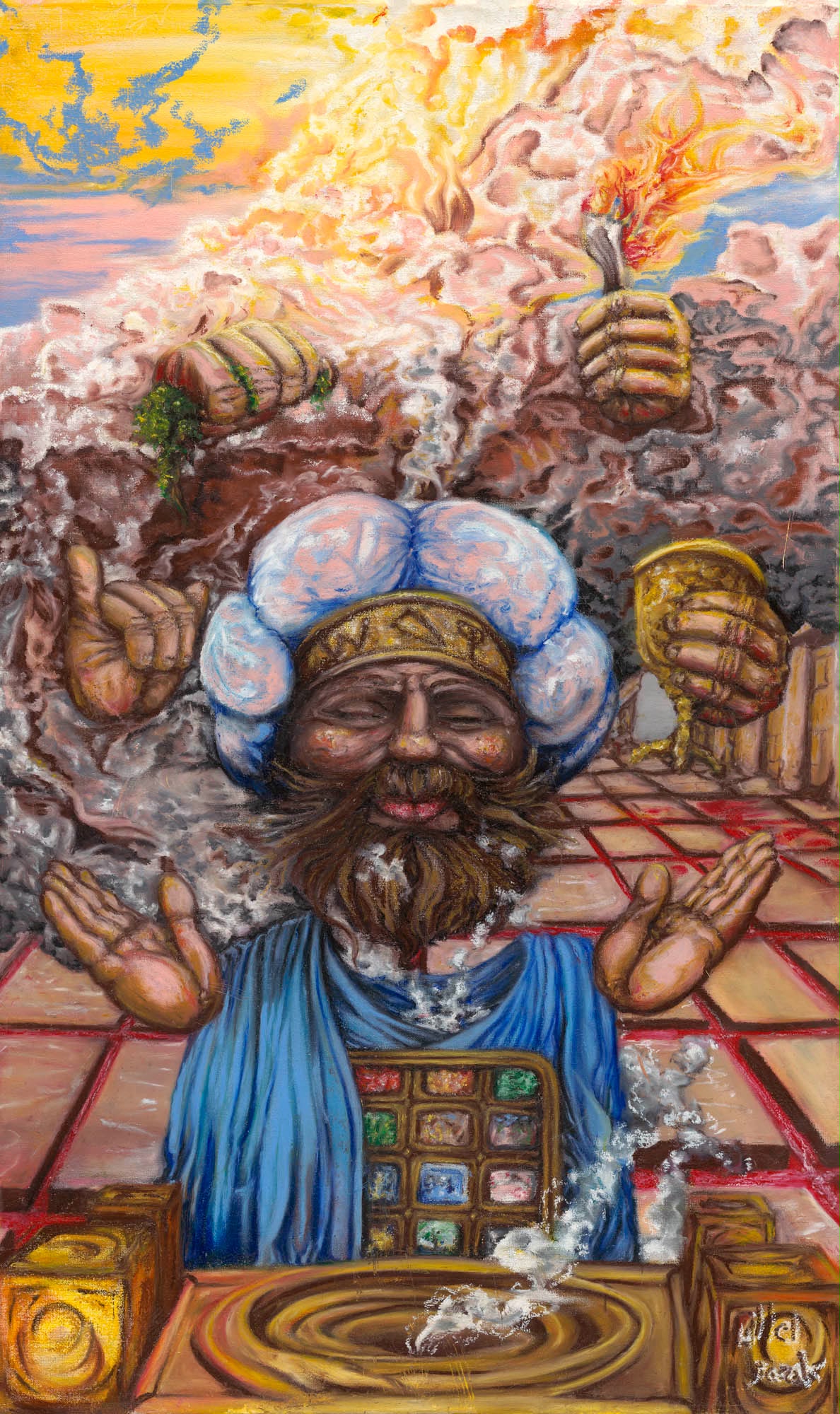
His artwork spans a variety of styles and subjects. Some pieces convey messages drawn from the Bible or contain allusions to spiritual themes, attracting interest from religious Jewish buyers, many of them from abroad.
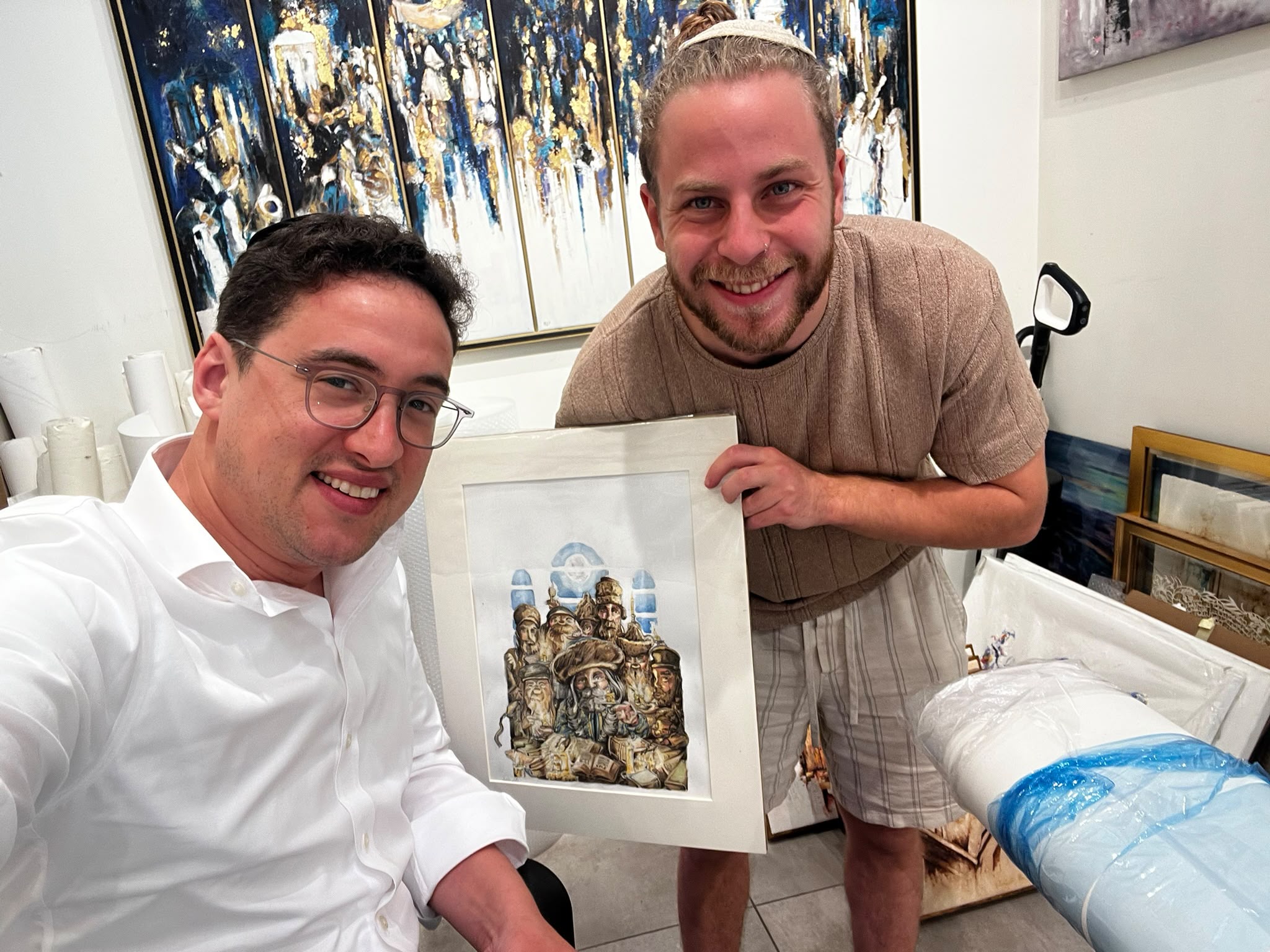
Bazak is now preparing for a new exhibition scheduled to open at the Jerusalem Theatre at the end of the month. It will feature some of his signature works, including pieces from a special book he illustrated over the past year in collaboration with Dr. Shmuel Shenhav, associate dean at Bayit Vegan College, focusing on “Midrash therapy” through teachings of the Sages.
“Don’t Rush to Judge”
Looking back on his experience, Bazak has a message for those who encounter someone going through a similar struggle.
“If you meet people who are in a situation like the one I was in, don’t rush to judge them. This is something that can happen to anyone, and in situations like these, what people need more than anything is simply empathy and compassion.”
He also has a message for those who may currently find themselves in that dark and painful place: “Stay strong. Don’t give up.”
Recently, Bazak heard a sentence from a close friend of his father who had endured a severe family crisis during the previous year. The man told his father, “We are blessed.”
The words deeply affected him. “It is the ability to live within all the complexity of life and still manage to focus on the blessing that exists within it,” Bazak explains. “That isn’t merely optimism. It is a deep, inner understanding that you are blessed because of all the things the Creator has sent into your life.”
For a young man who once struggled to see anything positive in himself or his future, those words carry particular meaning. His journey did not erase the difficult years he endured. Instead, it helped him discover new sources of faith, creativity, connection, and purpose.
Through the art that once gave a sensitive child a way to express himself, Bazak is now sharing that journey with others.

