

Sukkot
From Ushpizin to Hoshana Rabbah: 11 Sukkot Terms Explained
What are Ushpizin, Hoshanot, and Hoshana Rabbah? Discover 11 important Sukkot mitzvot, customs, and traditions and what they mean.
- Yonatan HaLevi
- | Updated
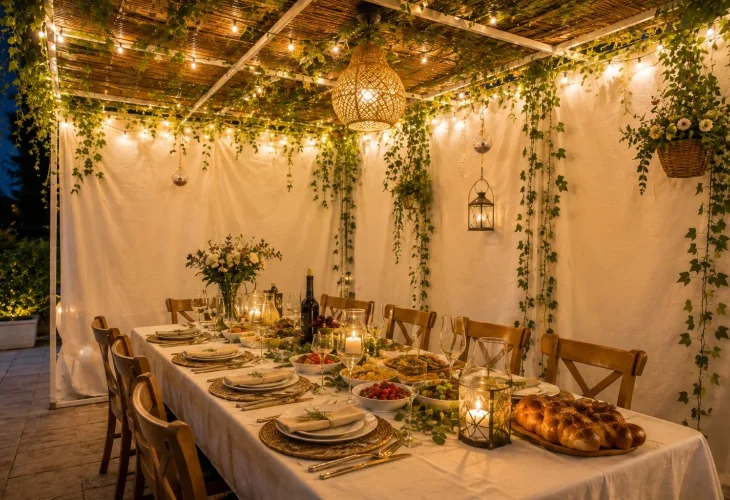
Sukkot is filled with unique mitzvot, customs, prayers, and celebrations, each revealing another dimension of this joyful holiday. From welcoming the Ushpizin to rejoicing at Simchat Beit HaShoevah, here are 11 important Sukkot terms and traditions to know.
1. Ushpizin
Ushpizin (Aramaic for “guests”) are seven righteous figures who, according to the Zohar, visit a Jewish person’s sukkah during the holiday of Sukkot. On each of the festival’s seven days, one righteous figure arrives as the lead guest, accompanied by the others. In many communities, it is customary to invite the Ushpizin into the sukkah with a special invitation text.
According to the Ashkenazi custom, based on the Zohar: On the first day—Abraham. On the second day—Isaac. On the third day—Jacob. On the fourth day—Joseph. On the fifth day—Moses. On the sixth day—Aaron. On the seventh day—David.
According to Sephardic and Hasidic custom, based on the structure of the Sefirot and the teachings of the Ari: On the first day—Abraham. On the second day—Isaac. On the third day—Jacob. On the fourth day—Moses. On the fifth day—Aaron. On the sixth day—Joseph. On the seventh day—David.
2. Eating in the Sukkah
The mitzvah of eating in the sukkah is one component of the mitzvah of dwelling in the sukkah, learned from the verse: “You shall dwell in booths for seven days.” Unlike the obligation to sleep in the sukkah, which includes every type of sleep, whether regular or occasional, the obligation to eat in the sukkah applies only to a regular meal, not casual snacking.
Beyond the general mitzvah to eat in the sukkah throughout the seven days of Sukkot, the sages derived from the biblical verses that there is a Torah obligation to eat an olive-sized portion of bread in the sukkah on the first night of Sukkot, similar to the mitzvah of eating an olive-sized portion of matzah on the Seder night.
3. Hoshana Rabbah
Hoshana Rabbah (in Aramaic; in Hebrew: the Great Hoshana) is the name for the seventh and final day of Sukkot, the sixth day of Chol Hamoed Sukkot, which falls on the 21st of Tishrei.
When the Holy Temple stood, the mitzvah of the willow branch was observed as a Torah law received by Moses at Sinai. Each day, people would circle the altar once; on the seventh day, which is the sixth day of Chol Hamoed, they circled it seven times. After the Holy Temple was destroyed, the prophets instituted the custom of taking willow branches on this day and striking them. It is customary to recite more Hoshanot liturgical poems on this day than on the other six days of the holiday, which is how it received its name.
Hoshana Rabbah is the final day of Sukkot, and the following day is Shemini Atzeret, a festival day.
The Zohar states that this day is not only a day of judgment concerning water, but also the day on which the overall judgment of a person—considered on Rosh Hashanah and Yom Kippur—is finally sealed.
4. Shemini Atzeret / Simchat Torah
Shemini Atzeret is a Torah-mandated festival that falls on the 22nd of Tishrei, the day after the seventh and final day of Sukkot. Although it immediately follows Sukkot, it is considered a separate holiday. Shemini Atzeret is a Yom Tov, and the Torah commands refraining from work on it, aside from work related to preparing food.
In Israel, Simchat Torah also falls on this day, and that is the more popular and familiar name for it. However, they are not the same holiday: Shemini Atzeret is mandated by the Torah, while Simchat Torah was established only during the era of the Geonim.
Outside Israel, where the second festival day of the Diaspora is observed for Torah-mandated holidays, the distinction is clear: The day after Sukkot, the 22nd of Tishrei, is Shemini Atzeret, while Simchat Torah is celebrated on the additional second festival day that follows.
5. Hoshanot
Hoshanot is the name for a mitzvah practiced in the Holy Temple during Sukkot, in which worshippers would circle the altar for burnt offerings and stand willow branches alongside it.
Today, during the Shacharit prayer service on Sukkot, except on Shabbat, it is customary to circle the bimah while holding the Four Species and recite Hoshanot liturgical poems in remembrance of the Temple. The bimah is circled once each day and seven times on Hoshana Rabbah. In the language of the sages, this mitzvah is also called the mitzvah of the willow branch in the Temple.
6. Simchat Beit HaShoevah
Simchat Beit HaShoevah is an ancient Jewish celebration held during Sukkot in anticipation of drawing water for the water-libation mitzvah in the Holy Temple.
Throughout the year, wine was poured on the altar along with the offering of sacrifices, but only during the seven days of Sukkot was water poured as well. During Chol Hamoed, the water libation was accompanied by a series of especially joyful ceremonies called Simchat Beit HaShoevah. They began after the afternoon daily offering, continued throughout the night, and ended in the morning with water being drawn from the Shiloach spring and poured on the altar.
7. Tikkun Leil Hoshana Rabbah
Tikkun Leil Hoshana Rabbah is an order of study and prayers intended for the night of Hoshana Rabbah, the final day of Sukkot, before midnight. There are several versions of the Tikkun, and most include reading the Book of Deuteronomy and verses from the Book of Psalms.
8. Tractate Sukkah
Tractate Sukkah is the sixth tractate in the order of Moed. It presents the laws concerning mitzvot observed during Sukkot, such as the mitzvah of the sukkah and the Four Species. Tractate Sukkah has five chapters and contains 53 mishnayot.
9. The Mitzvah of Joy on Sukkot
The mitzvah of rejoicing on the pilgrimage festivals, or rejoicing on Yom Tov, requires people to celebrate on the three pilgrimage festivals—Pesach, Shavuot, and Sukkot—as well as on Shemini Atzeret. As part of this mitzvah of joy, the Torah commands that a person should not celebrate alone, but should also bring joy to family members and to the poor.
The primary expression of the mitzvah of joy when the Holy Temple stood was eating sacrificial meat, usually a peace offering known as a korban shelamim offered for rejoicing.
10. Sleeping in the Sukkah
The mitzvah of sleeping in the sukkah is one component of the mitzvah of dwelling in the sukkah, learned from the verse: “You shall dwell in booths for seven days.”
Unlike the obligation to eat in the sukkah, which applies only to a regular meal and not casual snacking, the obligation to sleep in the sukkah includes every type of sleep, whether regular or occasional.
11. Second Hakafot
Second Hakafot are an Israeli custom based on the practice of the Arizal, in which the hakafot—circuits with Torah scrolls—are held once again on the night after Simchat Torah, accompanied by singing, dancing, and musical instruments.

