

Health and Nutrition
Scientists Discover a Surprising Change in the Brain After 50
The brain may undergo important immune changes years before cognitive problems appear. New research reveals why midlife could be a critical window for brain health.
- Yitzchak Eitan
- | Updated
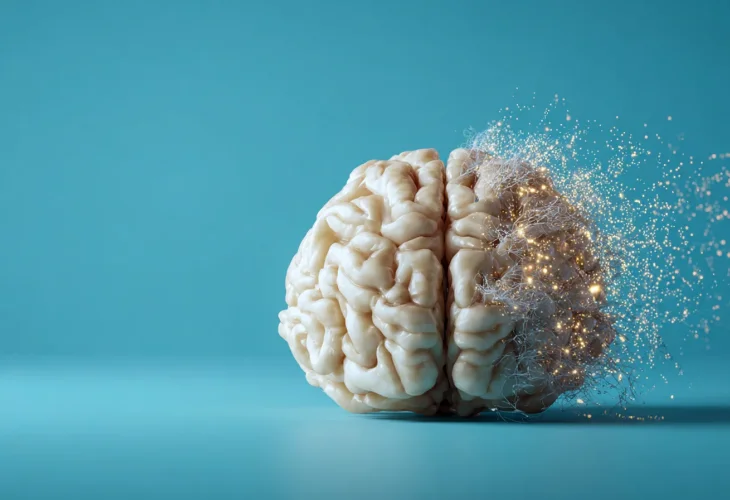
What happens inside the brain when we reach midlife? New scientific research suggests that this period may bring significant changes to the brain’s immune system.
For decades, researchers believed that the brain’s maintenance cells remained relatively stable throughout a person’s life. But new findings published in Science suggest that during the fifth and sixth decades of life, significant changes occur in the cellular makeup of the hippocampus, a region of the brain that plays an important role in memory and learning.
What Changes in the Brain During Midlife?
Scientists examined brain tissue samples and found that between approximately ages 50 and 75, part of the older cell population gives way to newer cells with a greater tendency toward inflammation. At the same time, researchers found evidence that immune cells originating outside the brain can enter and integrate into the tissue.
Another study, published in Nature, added to this emerging picture by identifying immune cells originating in the bone marrow within brain tissue, where they take on roles similar to those of local immune cells.
These molecular changes have attracted considerable scientific interest because they may offer clues to a central question in dementia research: Why do neurodegenerative processes tend to become apparent later in life, even when the biological changes behind them may have begun years earlier?
One concern is that prolonged inflammation could interfere with the normal functioning of nerve cells. However, these findings do not mean that such changes inevitably lead to cognitive decline. Rather, they provide further evidence that the brain continues to respond and adapt as we age.
Why Midlife May Be an Important Window
The findings could also influence how researchers think about protecting brain health.
In the past, much of the focus was on treating cognitive problems once memory and other abilities had already begun to decline. Increasingly, researchers are paying attention to earlier stages of life, when a person may still feel completely healthy but biological changes associated with aging are already taking place.
This makes midlife a potentially important period for protecting long-term brain health. Maintaining healthy blood pressure and cardiovascular health, getting regular physical activity, sleeping well, and following an overall balanced lifestyle may become especially important during these years.
The emerging message is not that reaching midlife means the brain is destined for decline. Instead, these discoveries reveal just how dynamic the aging brain remains and why the years before old age may matter more than previously understood.

