

Israel News
Slovenia Blocks EU-Wide Condemnation of Israeli Construction
The move marks a sharp change in Slovenia’s Israel policy after its new government reversed sanctions imposed by the previous administration.
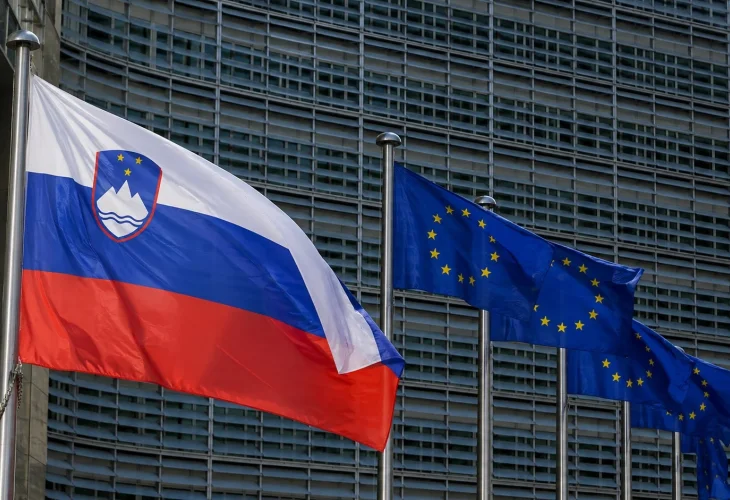
Slovenia blocked the European Union from issuing a joint condemnation of Israeli construction plans east of Jerusalem, preventing the bloc from speaking on behalf of all 27 member states.
EU officials had planned to condemn Israel’s decision to advance construction in the E1 area, near Ma’ale Adumim. However, Slovenia refused to support the statement, according to EUobserver.
As a result, EU foreign policy chief Kaja Kallas issued the condemnation in her own name rather than on behalf of the entire bloc.
Slovenian Prime Minister Janez Janša defended the decision, accusing the EU of applying a double standard toward Israel.
Janša said Slovenia had removed itself from what he called a cycle of “incessant, disproportionate condemnations of Israel for every move it makes.”
He also criticized European officials for focusing heavily on Israel while responding less forcefully to violence against Christians in Nigeria, killings by Hamas and growing antisemitism across Europe.
The dispute centers on Israeli plans to advance the first 1,400 housing units in E1, an area between Jerusalem and Ma’ale Adumim.
Kallas said construction there would undermine the possibility of a future Palestinian state and called on Israel to halt the project.
Israeli Prime Minister Benjamin Netanyahu publicly thanked Janša on Sunday for what he called his “courage and clarity amidst EU hypocrisy.”
Slovenia’s move reflects a sharp shift in the country’s policy toward Israel.
Under former Prime Minister Robert Golob, Slovenia became one of Israel’s strongest critics in the European Union. His government imposed restrictions on Israeli arms imports, products from Judea and Samaria and visits by senior Israeli officials.
Janša returned to power in June and quickly reversed those measures.
Slovenia’s latest intervention is one of the clearest signs yet that the policy change could affect the EU’s ability to reach a common position on Israel.

