

Health and Nutrition
Love Lemon Water? Here’s What Dentists Want You to Know
That glass of lemon water may have an unexpected downside. Dentists explain what citrus does to tooth enamel and one mistake to avoid afterward.
- Yitzchak Eitan
- | Updated
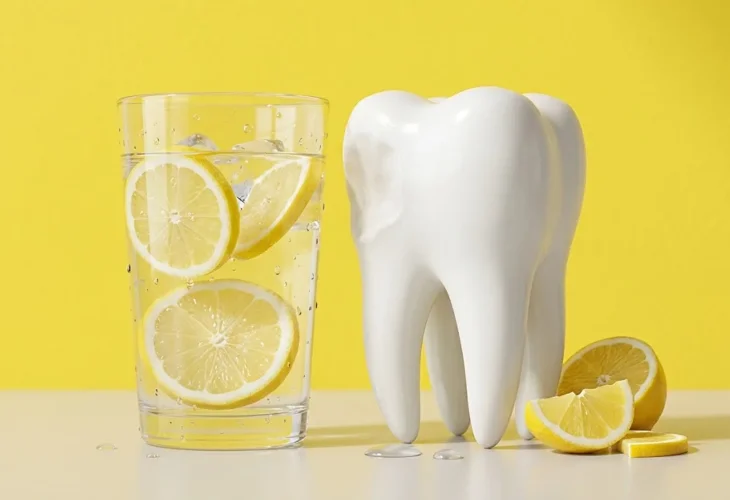
Everyone knows the basics of caring for their teeth: brush for two full minutes, floss regularly, and limit candy and sugary drinks. It is also widely known that coffee, tea, and certain other beverages can stain teeth. But some seemingly healthy habits may affect your teeth in ways you might not expect.
One example is citrus fruit. Oranges, lemons, and grapefruit offer plenty of nutritional benefits, but their acidity can also contribute to enamel erosion over time. Dentists explain why this happens and, importantly, how you can continue enjoying citrus without unnecessarily harming your teeth.
Why Citrus Can Affect Tooth Enamel
Citrus fruits such as oranges, lemons, and grapefruit are rich in vitamin C and other nutrients. But despite their benefits, their high acidity can be tough on tooth enamel.
Dr. Cooper Rominer, a dentist and founder of a dental practice in Oklahoma, explains: “Oranges, or any other citrus fruit, are acidic and create a low pH level in the mouth. This causes enamel erosion or wear over time.”
Dr. Jen Moran, a physician from Chicago, points to one increasingly popular habit in particular: “Citrus—and especially the habit of sipping lemon water all day long—is a great example. This acid can gradually soften and erode the enamel.”
Research has also examined the erosive effects of citrus drinks on teeth, although the degree of erosion depends on factors including acidity, frequency and duration of exposure, and how the drink is consumed.
Is Lemon Water Bad for Your Teeth?
Drinking lemon water has become a popular wellness habit, particularly on social media. But repeatedly exposing the teeth to acidic drinks throughout the day may increase the amount of time enamel is exposed to a low-pH environment.
Over time, enamel erosion can contribute to tooth sensitivity, changes in the appearance of the teeth, and increased visibility of the naturally yellower dentin beneath the enamel. Unlike some other tissues in the body, lost tooth enamel cannot simply regenerate itself.
That does not mean you need to eliminate oranges, grapefruit, or lemon water from your diet. Instead, dentists recommend paying attention to how you consume them.
How to Enjoy Citrus While Protecting Your Teeth
One of the most important tips is to avoid brushing your teeth immediately after consuming something acidic. Acid can temporarily soften the enamel surface, so brushing too soon may contribute to additional wear. Waiting around 30 minutes before brushing gives saliva time to help neutralize the acids in the mouth.
Drinking or rinsing with plain water after eating citrus or drinking lemon water can also help wash away some of the remaining acid. And rather than continuously sipping an acidic drink over several hours, limiting the length and frequency of exposure can reduce the amount of time your teeth spend in an acidic environment.
Citrus fruits can still be part of a healthy diet. The key is not necessarily avoiding them, but knowing how to enjoy them while giving your teeth a little extra protection.

