

Rosh Hashanah Recipes
Cooking for Rosh Hashanah? Here’s What to Make Ahead
Rosh Hashanah cooking doesn’t have to mean one exhausting day in the kitchen. Here’s how to spread out the work and make holiday prep easier.
- Shira Dabush
- | Updated
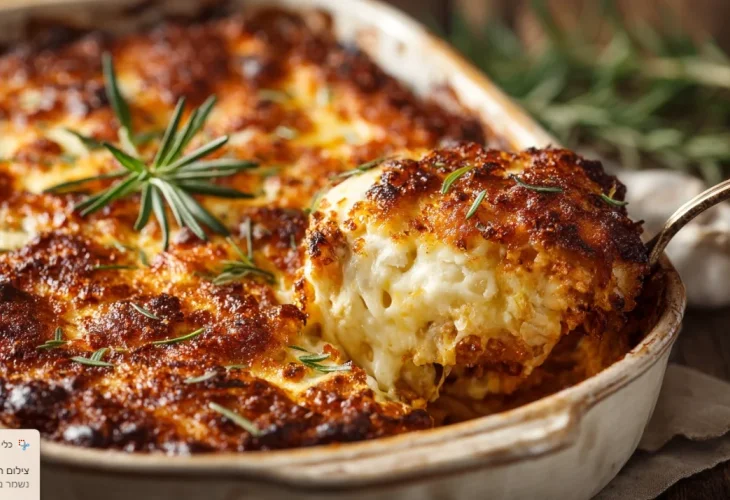
Rosh Hashanah brings meat, fish, side dishes, salads, challah, and desserts to the holiday table. Trying to prepare everything in a single day can quickly turn the kitchen into a stressful place. The good news is that much of the work can be done in the days leading up to the holiday.
Knowing what freezes well, what benefits from a day or two in the refrigerator, and what really should be left until the last minute can make Rosh Hashanah preparation much more manageable.
Three Days Ahead: Start With the Meat
Beef roast, asado, goulash, meatballs, and other meat dishes cooked in sauce are excellent choices for preparing ahead. Some may even taste better after a day or two, once the flavors have had time to develop.
Prepare the dishes as usual, cool them promptly, and freeze them. The day before the holiday, transfer them to the refrigerator to thaw, then reheat thoroughly before serving.
If you are making a roast that will be sliced, chilling it first can actually make the job easier. Once cold, the meat firms up and can be sliced more neatly.
Soup? Absolutely
Chicken soup, vegetable soup, orange vegetable soup, and legume-based soups can all be prepared ahead and frozen.
Keep noodles, soup almonds, croutons, and other toppings separate and add them only when serving so they do not become soggy.
What About Fish?
Fish cooked in sauce, chraime, and fish balls can generally be prepared one or two days ahead and refrigerated. If you are making them three days in advance, freezing them after they have cooled is a better option.
Baked fish with lemon and herbs is best prepared closer to the meal, since reheating can cause it to dry out.
Challahs and Rolls
Challah is one of the easiest things to remove from your holiday-eve to-do list.
Bake your challah or rolls as usual, allow them to cool completely, wrap them well, and freeze. A few hours before the meal, let them thaw while still wrapped. If you like, warm them briefly before serving.
Cakes and Desserts
Honey cake, apple cake, orange cake, yeast cakes, and many simple cakes are well suited to advance preparation. Honey cake may even taste better the following day, once the flavors have had time to settle.
Cookies, rugelach, and rolled pastries can also be prepared early. Desserts containing whipped cream, fresh fruit, or crisp layers, however, are generally best made closer to serving.
Cooked Salads and Dips
Matbucha, roasted peppers, cooked eggplant salad, and even fried onions can be prepared ahead of time. Some cooked salads actually benefit from spending a night in the refrigerator as their flavors develop.
Side Dishes Worth Making Ahead
Kugel, casseroles, stuffed vegetables, couscous, and vegetables cooked in sauce are all good candidates for advance preparation.
Potatoes that are supposed to remain crispy, on the other hand, are better prepared closer to the meal.
What About the Simanim?
Several of the traditional Rosh Hashanah simanim can also be prepared ahead. Beets, black-eyed peas, squash, and leeks can all be cooked in advance.
Pomegranate seeds can be removed the day before and stored in an airtight container in the refrigerator. Apples, honey, and dates require very little last-minute preparation.
What Should Be Left Until Later?
French fries, crispy potatoes, schnitzel that you want to remain crunchy, fresh vegetable salads, avocado, cut fruit, and desserts made with whipped cream are generally better prepared closer to serving.
You can still do some of the work ahead of time. Ingredients can be measured, washed, or otherwise prepared in advance, leaving only the final frying, baking, cutting, or assembly for later.
A Simple Rosh Hashanah Prep Schedule
Three days ahead: Meat dishes, soups, meatballs, challah, cakes, matbucha, and casseroles.
Two days ahead: Fish in sauce, cooked simanim, side dishes, and cooked salads.
The day before: Rice, potatoes, vegetables, delicate desserts, and dishes that need final assembly.
Close to the meal: Fresh salads, avocado, cut fruit, and anything that needs to remain crisp.
Don’t Forget About Food Safety
Proper storage is just as important as planning ahead. Cooked foods should be cooled and refrigerated or frozen promptly rather than being left at room temperature for extended periods.
If you are preparing food several days before Rosh Hashanah, freezing dishes that freeze well can be a safer and more practical option than keeping everything in the refrigerator until the holiday. Labeling each container with the name of the dish can also save you from trying to identify mysterious frozen containers on the eve of Rosh Hashanah.
Preparing ahead is not about turning your kitchen into a factory three days before the holiday. It is meant to do exactly the opposite: move some of the work to calmer days so that you can enter Rosh Hashanah with the kitchen under control and feeling a little less exhausted.

