

Challah
The Secret to Soft, Fluffy Challah Every Time
The secret to fluffy challah often comes down to a few surprisingly small details. Here’s what to do from the moment you mix the dough until it cools.
- Shira Dabush
- | Updated
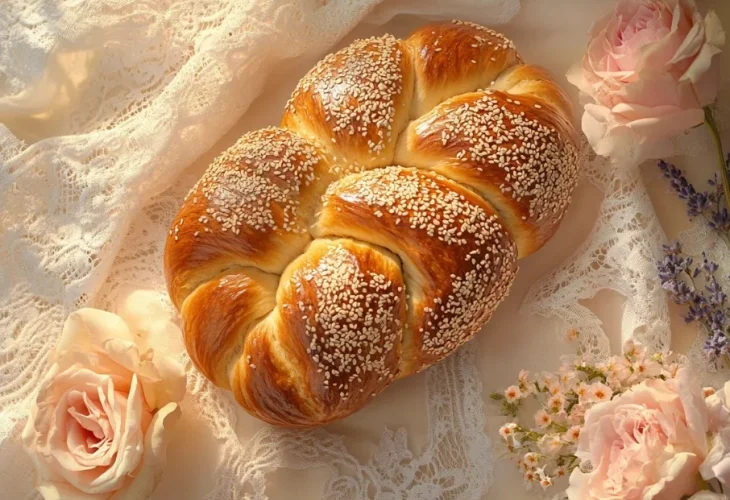
How disappointing is it to pull a beautiful challah from the oven, only to cut into it and discover that it is heavy, dense, or dry inside? And how many times have we looked longingly at someone else’s perfectly fluffy challahs, wondering why ours never seem to turn out the same way?
The good news is that achieving a soft, airy texture, and helping your challah stay that way through Shabbat, is possible. According to experienced bakers and pastry chefs, the secret often comes down to a few small details throughout the process.
Don’t Rush to Add Flour
This may be one of the most important tips. Good challah dough should be soft, flexible, and slightly sticky at the beginning of kneading. But that stickiness often makes people nervous, so they add more and more flour.
The result? A heavier, drier challah.
Instead, knead the dough for a few more minutes before reaching for additional flour. As you knead, the gluten develops, making the dough smoother, more elastic, and less sticky. If you really do need more flour, add it in very small amounts.
Use Lukewarm, Not Hot, Water
Water that is too hot can damage or kill the yeast, while very cold water will slow down its activity. Lukewarm water is generally best. It should feel comfortably warm rather than hot.
If your recipe calls for activating the yeast first, mix it with some of the water and sugar and wait a few minutes until it becomes foamy. Keep in mind, however, that instant yeast generally does not need to be activated separately and can usually be mixed directly into the dry ingredients.
Give the Dough Enough Time to Knead
Good kneading is one step you do not want to rush.
Challah dough needs time to develop a strong gluten network, which helps trap the gases produced by the yeast and gives the finished loaf its light, airy structure.
If you are using a mixer, knead the dough at low to medium speed for several minutes, until it becomes smooth and elastic and begins pulling away somewhat from the sides of the bowl. If you are kneading by hand, keep going until you can feel the texture becoming smoother and more elastic.
You can also try the windowpane test. Take a small piece of dough and gently stretch it between your fingers. If you can stretch it into a thin, almost translucent membrane before it tears, the gluten has developed well.
Watch the Dough, Not Just the Clock
Your dough does not know whether 45 minutes or an hour and a half have passed. How quickly it rises depends on factors such as the temperature of your kitchen, the amount of yeast, and the other ingredients in the recipe.
Instead of relying entirely on the clock, watch the dough itself. During the first rise, it should increase significantly in volume and look puffy and airy.
On a cold winter day, this may take considerably longer. In a warm kitchen, it may happen much faster.
Don’t Let It Rise Too Long
More proofing is not always better. If dough rises for too long, its structure can weaken, potentially causing the challah to collapse or bake with a less desirable texture.
After braiding, allow the challahs to rise again until they look noticeably puffy and soft, but do not wait until they begin losing their structure.
The finger test can help. Gently press the dough with your finger. If the indentation slowly springs back, the dough is generally ready to bake. If it springs back immediately, it may need more time. If the indentation remains and the dough feels fragile, it may have proofed too long.
Don’t Cut Back Too Much on the Oil
Fat helps create a soft, tender texture and can help the bread stay softer after baking. For parve challah, oil is commonly used.
If your goal is especially soft challah, dramatically reducing the amount of oil in a recipe can change the final texture. You can certainly make challah with less oil, but do not expect exactly the same result.
Eggs Add Richness, but Balance Matters
Eggs contribute color, flavor, and richness to challah. But adding extra eggs does not necessarily make the finished loaf better. Too much can alter the balance of the dough and produce a heavier texture.
If you prefer especially light and airy challah, choose a reliable recipe with a good balance of eggs, liquid, fat, and flour rather than trying to make it richer by adding extra ingredients.
Sugar Does More Than Add Sweetness
Sugar contributes to flavor, browning, and tenderness, and small amounts can support yeast activity.
But more is not necessarily better. Very sweet doughs can actually ferment more slowly because high concentrations of sugar draw water away from the yeast. For the best results, stick closely to the proportions in your recipe.
Try a Slow Rise for More Flavor
If you have enough time, consider letting the dough rise slowly in the refrigerator for several hours or overnight.
Cold fermentation slows down yeast activity while giving the dough more time to develop flavor. Depending on the recipe, chilled dough can also be easier to handle and braid.
Just be sure to follow your recipe’s instructions for bringing the dough back to the appropriate temperature and allowing it enough time to continue proofing before baking.
Don’t Braid Too Tightly
It is tempting to make each braid perfectly neat and tight, but challah needs room to expand.
Aim for even strands, but keep the braid slightly loose. This gives the dough space to rise during its final proof and expand further in the oven.
Don’t Forget the Egg Wash
For that beautiful, shiny golden finish, gently brush the challah with beaten egg before baking.
Depending on the finish you prefer, the egg wash can be mixed with a small amount of water. A touch of honey can also deepen the sweetness and color, though it may encourage the surface to brown more quickly.
Don’t Overbake
One of the most common causes of dry challah is simply leaving it in the oven too long.
Once the loaf is beautifully golden and fully baked, take it out. Every extra few minutes in the oven means more moisture escaping from the bread.
If the top is becoming too dark before the center is fully baked, loosely cover the challah with foil and allow it to finish baking.
If you want greater precision, you can also check the internal temperature with an instant-read thermometer. Enriched breads such as challah are generally fully baked when the center reaches approximately 190°F (88°C).
Resist the Temptation to Cut It Immediately
The smell of freshly baked challah can make waiting feel almost impossible, but give it time.
When bread first comes out of the oven, its internal structure is still setting and moisture is still redistributing throughout the loaf. Cutting it immediately can interfere with that process and leave the inside gummy.
Transfer the challah to a cooling rack and let it cool before slicing.
How Do You Keep Challah Soft Until Shabbat?
Once the challah has cooled completely, wrap it well to prevent moisture from escaping.
If you plan to eat it soon, an airtight bag or container should help keep it fresh. But if you baked your challah several days before Shabbat, freezing is usually the better option.
Allow the freshly baked challah to cool completely, wrap it tightly, and freeze it as soon as possible. Then thaw it before Shabbat.
This preserves its soft texture much better than leaving it on the counter for several days.
Ultimately, wonderfully soft challah does not require a secret ingredient. Often, it comes down to resisting that extra handful of flour, kneading thoroughly, watching the dough rather than the clock, giving it enough room to rise, and taking it out of the oven at just the right moment.
Small changes can make the difference between a challah that simply looks beautiful and one that is just as soft and fluffy when you finally tear it open.

