

Health and Nutrition
Are Roasted Peanuts Bad for You? Here’s What You Should Know
Peanuts are rich in protein, fiber, and healthy fats, but concerns about roasting, allergies, and mold can cause confusion. Here’s what you should know.
- Revital Yitzhaki
- | Updated
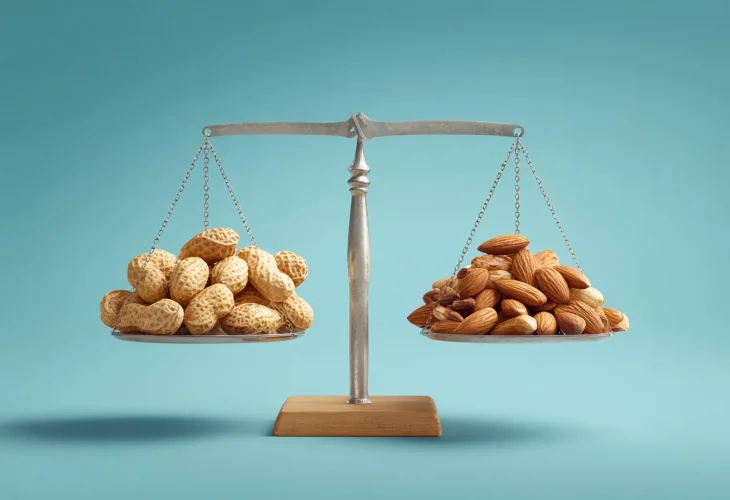
Peanuts contain a range of valuable nutrients, including protein, vitamins, minerals, healthy fats, and dietary fiber. But concerns are sometimes raised about the way peanuts are processed and stored, particularly when it comes to roasting, added salt, allergies, and mold.
So are peanuts actually unhealthy? The answer is more nuanced than it might first appear.
Does Roasting Peanuts Make Their Fats Harmful?
Peanuts contain a significant amount of unsaturated fatty acids. Like other unsaturated fats, these can undergo oxidation when exposed to factors such as heat, light, and air.
For this reason, roasting can cause some oxidation of the fats in peanuts, particularly at high temperatures or with prolonged heating. Grinding peanuts also increases their surface area and exposure to oxygen, which can make proper storage more important.
However, this does not mean that roasted peanuts automatically contain dangerous levels of oxidized fat or that eating them causes atherosclerosis, inflammation, immune-system damage, or serious disease. Those claims go beyond what the evidence supports.
In fact, peanuts are generally considered a nutrient-dense food, and research has associated nut and peanut consumption with a number of potential health benefits when they are eaten as part of a balanced diet.
The way they are prepared still matters. Choosing peanuts that are fresh, properly stored, and not heavily salted or coated with added ingredients is generally preferable.
What About Allergies and Mold?
There are other reasons some people need to be cautious with peanuts.
Peanut allergy can cause severe and potentially life-threatening reactions in people who are allergic, making complete avoidance essential for those individuals.
Peanuts can also be susceptible to contamination with molds that produce aflatoxins, particularly when they are grown or stored under poor conditions. Aflatoxins are harmful compounds, which is why commercial food supplies are subject to monitoring and safety standards.
Salt is another consideration. Many packaged roasted peanuts contain substantial amounts of added sodium. Anyone trying to reduce their sodium intake may want to choose unsalted or lightly salted varieties instead.
These concerns, however, do not mean that peanuts themselves should generally be avoided by people who are not allergic to them.
Are Walnuts a Better Choice?
If you are looking to add variety to your diet, unroasted or lightly roasted nuts can be excellent choices.
Walnuts stand out because they are particularly rich in alpha-linolenic acid, or ALA, a plant-based omega-3 fatty acid. Almonds, meanwhile, provide nutrients including vitamin E, fiber, protein, and healthy unsaturated fats.
Rather than thinking of one nut as universally “good” and another as “bad,” it may be more useful to include a variety of nuts and seeds in the diet, provided there are no allergies or other medical reasons to avoid them.
Peanuts may not be perfect, but neither are they a food most people need to fear. The simplest approach is to choose fresh, minimally processed varieties, pay attention to added salt and other ingredients, store them properly, and enjoy them in reasonable portions.

