

Rosh Hashanah
Rosh Hashanah After Shabbat: Candle Lighting and Yom Tov Preparations
Learn when to light candles and prepare for the second night of Rosh Hashanah when it follows Shabbat, plus the meaning and different levels of teshuva
- Hidabroot
- | Updated
Two daily halachot from Bahalacha U'Veaggadah, based on the rulings of Maran Rabbi Ovadia Yosef.
How Should Candles Be Lit on Rosh Hashanah Night (5787)?
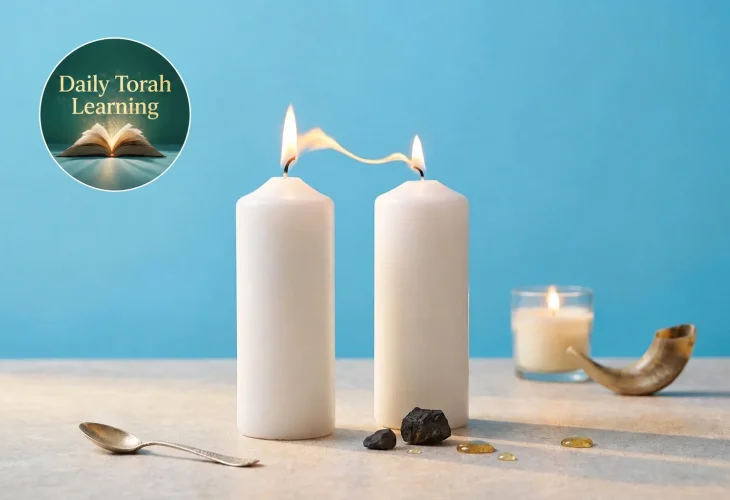
The candles for the second day of Yom Tov may be lit only after Shabbat has ended, using a flame that was already burning before Shabbat, such as a yahrzeit candle.
A woman should preferably wait to light the Yom Tov candles until Shabbat has ended according to Rabbeinu Tam.
How Should You Prepare for Rosh Hashanah Night When It Begins After Shabbat?
It is preferable for the woman to cook all the food for the evening on Friday. On Saturday night, which is the second night of Rosh Hashanah, the food should only need to be reheated. The gas flame should be lit from a flame that has been burning since before Shabbat.
Setting the table and making other preparations for Yom Tov should not begin until after Shabbat has ended, since it is forbidden to prepare on Shabbat for Yom Tov. Before beginning the preparations, one should say, "Baruch hamavdil bein kodesh lekodesh" ("Blessed is He Who distinguishes between one sacred day and another").
However, if there are many family members and time is limited, they may begin setting the table immediately after sunset. Other activities, such as lighting the candles or the gas flame, must under no circumstances begin until Shabbat has ended.
Daily Concept: Teshuva
Teshuva is a spiritual and inner process through which a person corrects his actions, abandons his sins, and returns to the path of Torah and mitzvot.
According to the Rambam, the process includes three main stages: abandoning the sin, sincerely regretting it, and resolving not to repeat it in the future.
Judaism generally distinguishes between two primary motivations for teshuva:
Teshuva from fear: This is motivated by fear of punishment or by awe of God's greatness and majesty. Our Sages teach that through this form of teshuva, intentional sins are transformed into unintentional sins.
Teshuva from love: This comes from a deep longing and desire to draw closer to God. It is a much higher level of teshuva, in which intentional sins are transformed into merits. The sins themselves ultimately become a catalyst for spiritual growth and merit.

