

Health and Nutrition
The Body Remembers: How Stress and Emotions Affect the Nervous System
Why past experiences can trigger physical reactions, how emotional stress shows up in the body, and what can help the nervous system return to a calmer state
- Tehila Cohen
- | Updated
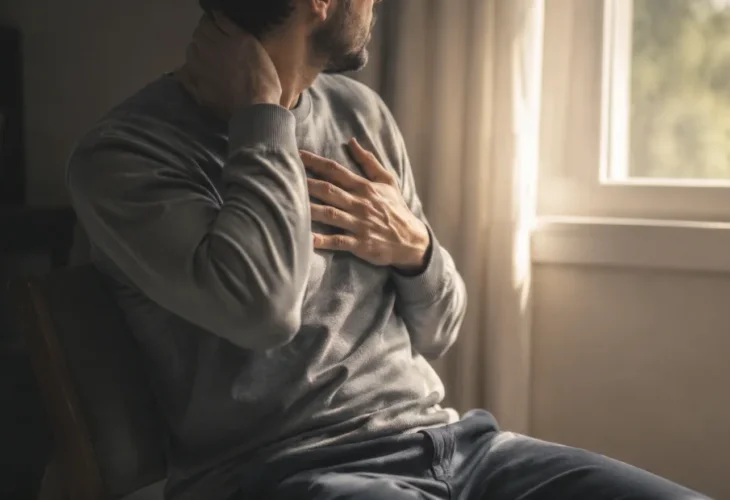
The expression “the body remembers” describes the close connection between memory, emotions, and the nervous system. A significant emotional experience can influence the way the body responds even after the event itself has ended.
When the brain detects danger, the body activates its stress response. Heart rate and breathing increase, muscles tense, and the body prepares to confront the threat or move away from it. This is a natural response designed to protect us.
Usually, the body gradually returns to a calm state once the danger has passed. However, during periods of prolonged stress or after an especially difficult experience, the body may react immediately to reminders of what happened. In other words, a situation that resembles a previous experience may trigger a physical response even when there is no actual danger in the present.
How Does an Emotion Become a Physical Sensation?
Emotions do not exist only in our thoughts. Stress and fear are often expressed physically through a rapid heartbeat, sweating, heavy breathing, or a sense of heightened alertness. Emotional strain can also contribute to symptoms such as headaches, muscle tension, fatigue, sleep disturbances, and digestive discomfort.
We do not always immediately connect a physical sensation with something we have experienced, but the signs can appear nonetheless. You may suddenly feel your stomach tighten before a particular meeting, notice pain in your shoulders during a stressful period, or experience a racing heart in a place that reminds you of a stressful event.
The Triggers We Don’t Always Recognize
A trigger is something that reminds the brain of a previous experience and activates an emotional or physical response. It might be a sound, smell, phrase, touch, place, or social situation. Sometimes the connection is obvious. At other times, a person may notice the body reacting before understanding what triggered the response.
A reaction like this does not necessarily indicate post-traumatic stress disorder. Physical reactions are common during periods of stress, and most people recover after difficult experiences. When these reactions persist, become worse, or interfere with daily functioning, it may be helpful to seek professional support.
What Can Help?
The first step is to notice the sensation without becoming alarmed by it. Pay attention to where you feel it, when it begins, and what happened immediately beforehand. Slow breathing, gentle movement, adequate sleep, and talking with someone you trust may help the body settle.
When these sensations recur repeatedly, emotional therapy can help identify the connections between experiences, thoughts, and physical reactions and teach ways to regulate them. There is no need to wait until the distress becomes unbearable before seeking help.
At the same time, persistent or unusual pain should be medically evaluated. It should not automatically be assumed to be caused by stress alone.

