

Health and Nutrition
Pomegranate Health Benefits: What Happens to Your Body When You Eat the Seeds
Discover the nutritional benefits of pomegranate, from fiber and antioxidants to heart health, and why eating the whole seeds may be better than drinking the juice
- Tehila Cohen
- | Updated
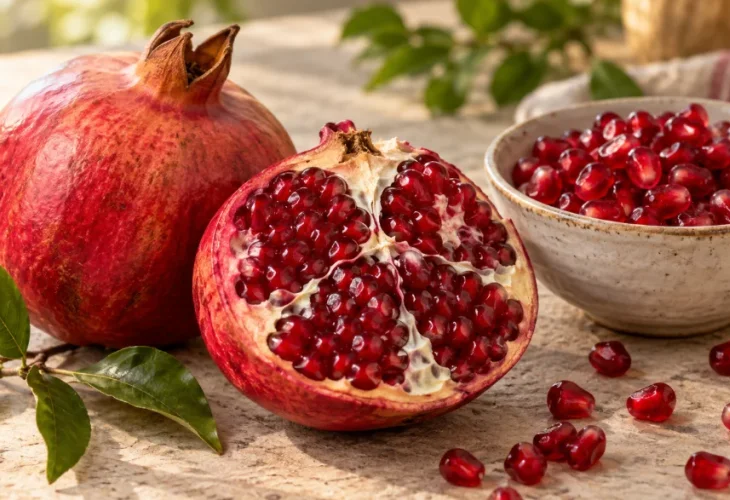
Few fruits inspire as much excitement as a pomegranate cracked open to reveal hundreds of glistening seeds. Beyond its festive appearance and flavor, which ranges from sweet to tart, pomegranate provides a variety of important nutrients. Still, pomegranate is not a medicine and cannot replace a balanced diet, but it can certainly be a tasty and nutritious addition to one.
Pomegranate seeds contain water and natural carbohydrates, along with dietary fiber. Fiber supports healthy digestion, contributes to a feeling of fullness, and helps slow the absorption of sugar compared with drinking pomegranate juice alone.
Pomegranate also contains vitamin C, vitamin K, folate, and potassium. The exact amounts vary depending on the variety, size and ripeness of the fruit, as well as the amount consumed.
Its vivid red color comes partly from plant pigments called anthocyanins, which belong to the broader family of polyphenols, naturally occurring compounds that act as antioxidants.
Pomegranate also contains other polyphenols, including compounds found in its juice and peel. Antioxidants help protect the body’s cells from oxidative damage, but this does not mean that eating pomegranate alone can prevent disease. Its health effects depend on a person’s overall diet and lifestyle.
Why Is It Better to Eat the Whole Seeds?
When you eat pomegranate seeds, you also get the fiber they contain. Pomegranate juice, on the other hand, contains far less fiber, and it is easy to consume the sugar from a large amount of fruit within a short period of time.
Pomegranate juice can be included as part of a balanced diet, but it is best treated as a sweet beverage and consumed with attention to portion size. Even when the juice is completely natural, it is not nutritionally equivalent to eating the whole fruit.
Is Pomegranate Good for the Heart?
The plant compounds found in pomegranate have attracted interest because of their potential connection to cardiovascular health. However, pomegranate should not be considered an established treatment for high blood pressure, high cholesterol, or heart disease.
Including pomegranate as part of a diet rich in vegetables, fruits, legumes, and whole grains can contribute to overall diet quality, but it does not replace medical treatment or other necessary lifestyle changes.
How Much Pomegranate Should You Eat?
There is no single amount that is appropriate for everyone. You can add a few tablespoons of pomegranate seeds to a salad or yogurt or eat a small serving as part of a meal. Although pomegranate is nutritious, there is no need to consume large quantities to enjoy its benefits.
People who need to limit their sugar or potassium intake for medical reasons should adjust the amount according to the recommendations they have received. Anyone who regularly takes medication and plans to consume large amounts of pomegranate or pomegranate juice can consult a doctor or pharmacist about whether it is appropriate for them.

