

World News
Iranian Parliament Speaker: “The Rules of the Game Have Changed, Our Strikes Are Only the Beginning”
Iranian Parliament Speaker Mohammad Bagher Ghalibaf issued a new threat to “the enemies of the Iranian nation.” Tehran repeated its message from recent days: “There will be a painful response if we are attacked again.”
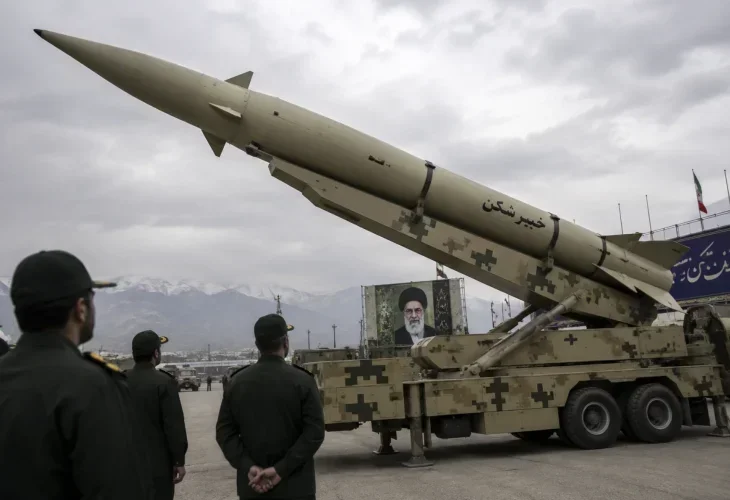
Iranian Parliament Speaker Mohammad Bagher Ghalibaf issued a new threatening message this afternoon (Sunday): “The Americans have certainly already understood that the era of proportional responses is over. Our strikes in the recent operations against the aggressor’s bases were only the beginning. And if they have not understood this yet, it is still not too late for them to understand that the rules of the game have changed.”
“From now on, any attack against Iran’s interests and security will receive a faster, heavier, and more painful response,” he said in a speech published on his Telegram channel.
Ali Abdollahi, commander of Iran’s armed forces, told local media: “The U.S. expectation that Iran will surrender is an illusion that will never come true.”
Meanwhile, according to a Reuters report, Iran said it would step up its efforts to address the problems caused by U.S. sanctions that are crippling its economy.
As a reminder, after a pause in military activity for most of July, the mutual strikes resumed, with U.S. Central Command saying yesterday that it struck three Iranian tankers in response to ballistic missiles launched by the Revolutionary Guards at two U.S. Navy ships.
According to Reuters, “Tehran has shown that it still has the ability to attack American interests in neighboring countries and shut off the flow of oil through the Strait of Hormuz, through which one-fifth of the world’s oil supply passed before the conflict. However, the American campaign to choke Iran’s economy by blocking its oil exports and stopping sanctions evasion is becoming increasingly difficult to withstand.”
Iranian Economy Minister Ali Madanizadeh said Tehran plans to respond to U.S. economic pressure through reforms, dismissing the idea that sanctions would cause it to change course. “They talk about economic pressure and isolation, about cutting off financial ties, and they think that by putting pressure on a country’s economy, they can change the decisions of its people,” Madanizadeh said.
“I must clarify one point: responsibility for reforming Iran’s economy lies with its government and its people, not with the U.S. Treasury Department.”

