

World News
"Make a Will and Leave DNA Samples": The U.S. Issues an Unusually Stark Travel Warning for Libya
The United States has kept Libya at its highest travel advisory level and urges Americans to stay away. For those who go anyway, the guidance includes preparing a will, an escape plan, and even leaving DNA samples behind for identification purposes.
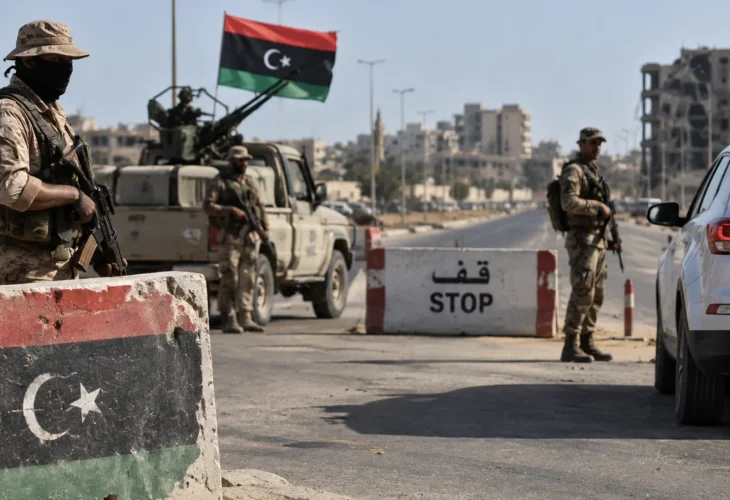 Illustration
The U.S. State Department has updated its travel advisory for Libya but kept it at Level 4, the highest level. The warning, which lists a long range of dangers including terrorism, crime, kidnapping, unrest, health concerns, and landmines, states: "Do not travel to Libya for any reason."
But beyond warning against travel itself, the U.S. State Department also details how those who still decide to travel to Libya should prepare, and some of the instructions are especially unusual. "Prepare a will and end-of-life directives," the advisory says. Citizens are also advised to designate insurance beneficiaries or prepare a power of attorney, and even leave DNA samples with a medical provider so their family members can use them for identification if necessary.
Israel, too, considers Libya an especially dangerous destination. The National Security Council classifies the country as a "high threat" destination and makes clear that "travel to Libya should be avoided. It is also recommended to avoid being on flights whose route passes over Libyan territory."
Behind these unusual recommendations is a severe security situation. According to the U.S. advisory, clashes between armed groups and forces affiliated with the government could break out at any moment, while weapons are widespread throughout the country. Libya is also home to criminal organizations involved in drug trafficking, human trafficking, and other smuggling operations. Targeted kidnappings and assassinations are also described as common occurrences.
Another risk comes from terrorist organizations, which, according to the U.S. State Department, may carry out attacks with no warning or very little advance notice. Demonstrations can also turn violent, disrupting transportation and essential services.
Adding to the danger are landmines and unexploded ordnance scattered across different parts of the country, sometimes unmarked or difficult to identify. Travelers are instructed to stay away from roadside ditches, road shoulders, and unmarked paths, and to avoid touching any object that could be unexploded ordnance.
Even in an emergency, the United States has an extremely limited ability to assist its citizens on the ground because there is no U.S. embassy in the country. Due to the security risks, the warning states that the U.S. government cannot provide emergency services to its citizens in Libya. Anyone who chooses to travel despite the warnings is therefore required to prepare an independent exit plan that does not rely on American assistance.
The list of preparations does not end there. The State Department advises travelers to share important documents and account login details with family members, develop a communication plan in advance, and consider hiring a professional security company. One of the most unusual instructions is to agree with loved ones on a "proof-of-life protocol", a method to be used in the event of a kidnapping or hostage situation.

