

Home Styling
Minimalism Without the Extreme: 8 Simple Habits to Start
Minimalism doesn’t mean living in an empty home. These eight simple habits can help you reduce clutter, spend more intentionally, and keep what truly matters.
- Shira Priant
- | Updated
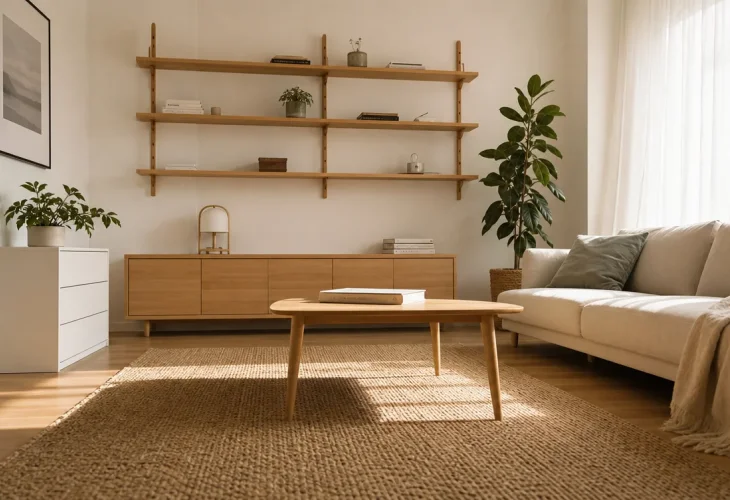
Making do with less, or more accurately, making do with what truly matters, pretty much sums up the idea of minimalism.
Search online for minimalist homes, and you will probably find nearly empty apartments with white walls, barely any artwork or decorative objects, very few kitchen tools, and only the most essential furniture. It looks beautiful in photos, but in real life, what does minimalism actually have to do with us?
Quite a lot, as it turns out.
We accumulate an incredible amount of stuff at home: children’s clothes saved for future siblings, broken appliances we promise we will fix someday, and unnecessary products we bought because we might need them at some point. Sometimes it can feel as though we are paying rent for our belongings rather than for a home we can actually enjoy.
Suddenly, minimalism does not sound like such a bad idea.
The good news is that you do not need to empty your home or give up everything you enjoy to embrace it. Minimalism can simply mean becoming more intentional about what you buy, use, and keep. Here are eight habits to help you get started.
1. Buy Quality or Buy Twice
This rule can potentially save you hundreds, if not thousands, of shekels over time. The idea is simple: sometimes you cannot afford to keep buying cheap things.
When possible, aim to buy the best-quality item you can reasonably afford and use it for years, rather than purchasing a cheaper version that needs to be replaced again and again. This helps ensure that your money goes toward things that are genuinely useful and built to last.
The philosophy comes down to buying once and paying more upfront rather than repeatedly replacing the same item. After all, minimalism is about quality, not quantity. Once you begin thinking in terms of cost per use rather than looking only at the price tag, purchases can take on a completely different perspective.
2. Try the “Hell Yes!” Test
This rule can help the next time you are decluttering or debating whether to buy something. Entrepreneur and author Derek Sivers famously put it this way: “If it’s not a hell yes, it’s a no.”
Try applying the same principle to your belongings.
If the shirt you are considering is merely “okay” rather than something you genuinely love and know you will wear, perhaps it is better to skip the purchase and wait for the right one.
The goal is not to agonize over every purchase. It is simply to become a little more selective about what earns a place in your home.
3. Use the Cleaning Rule
If you are still unsure about an item, ask yourself another question: If this were dirty, stained, or covered in a serious layer of dust, would I be willing to clean it?
If you would happily put in the effort to clean the item and use it again, it is probably something you genuinely value.
But if the thought of cleaning it immediately feels like an annoying chore, that may tell you something. Perhaps you are keeping it simply because it is already there rather than because you actually want or need it.
4. Try the 90/90 Rule
The 90/90 rule, popularized by The Minimalists, offers a practical way to sort through belongings without overthinking every decision.
Ask yourself: Have I used this item in the past 90 days?
If the answer is no, ask a second question: Do I realistically expect to use it within the next 90 days?
If the answer is still no, it may be time to let it go.
Of course, some seasonal, sentimental, or special-purpose items will not fit neatly into this rule. But for everyday belongings, it can be a useful way to distinguish what you actually use from what is simply taking up space.
5. Keep a Wish List
One of the simplest ways to control impulse spending is to give yourself time.
Instead of buying something the moment you want it, add it to a wish list or leave it in your online shopping cart and close the tab.
Waiting helps separate a passing desire from something you genuinely want or need. You may be surprised by how many things that felt irresistible in the moment are completely forgotten a week later.
Sometimes, we do not really want another object. We are simply bored, stressed, or caught up in the excitement of buying something new.
6. Avoid Buying New Problems
Everything you bring into your home can eventually cost you more than its original price.
It may require cleaning, maintenance, repairs, storage space, and eventually the time and effort needed to sell, donate, recycle, or dispose of it.
Before buying something, look beyond the product in front of you and think about its future. Where will you keep it? How often will you use it? Does it require maintenance? Will it still be useful a year from now?
Sometimes the best purchase is the one that never becomes another problem to solve.
7. If You Can’t Pay for It Today, Think Again
Credit cards, installment plans, vouchers, and loans can make it easy to focus on a small monthly payment rather than the full cost of what we are buying.
A stricter minimalist approach is to ask yourself whether you could afford to pay for the item in full today. If not, consider whether the purchase should wait.
The point is not that every purchase must literally be made with cash, or that borrowing is never appropriate. Rather, the rule encourages us to look at the real cost of an item before committing to it and to avoid allowing convenient payment options to turn an unnecessary purchase into an affordable-looking one.
8. Remember: Minimalism Does Not Mean an Empty Home
Perhaps the most important habit is remembering what minimalism is actually supposed to achieve.
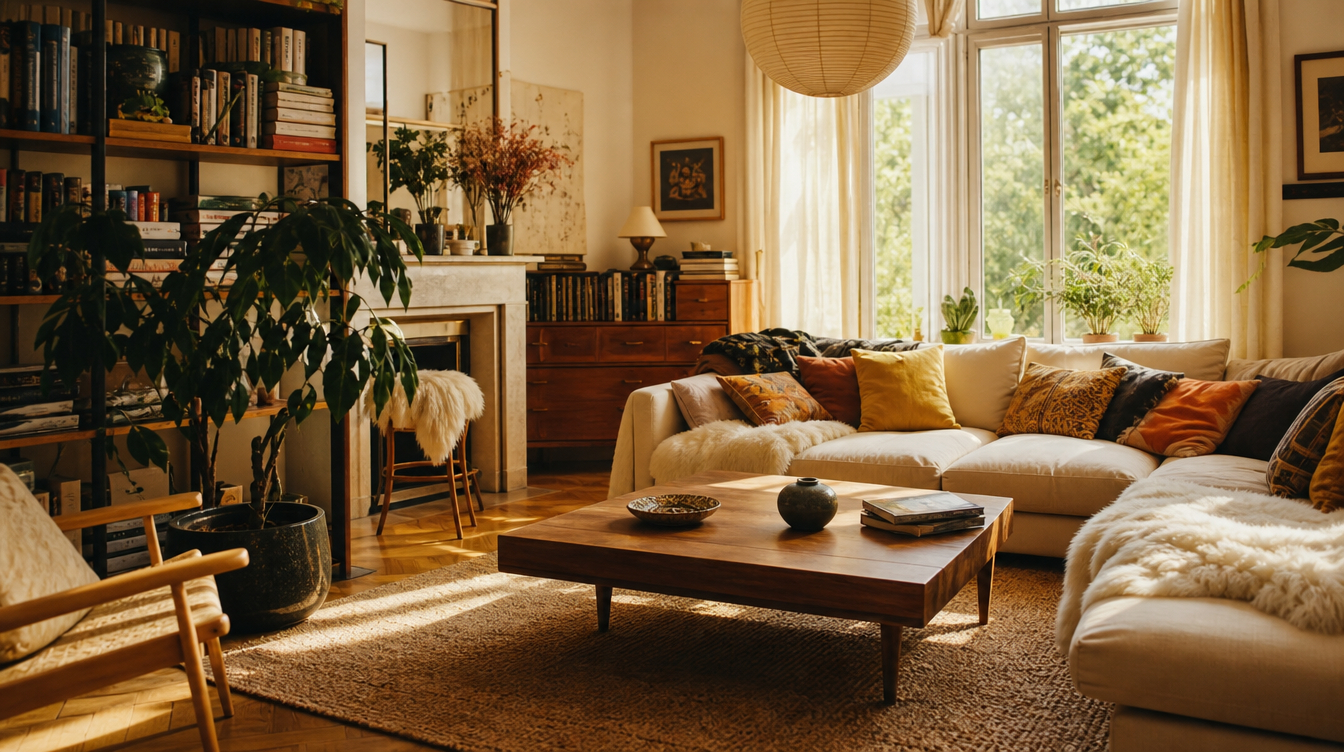
Your shelves do not have to be empty. You can enjoy artwork, books, photographs, decorative objects, children’s toys, and sentimental belongings. A home does not have to look like a minimalist showroom to contain less clutter.
The goal is not to own as little as possible. It is to become more intentional about what you allow into your space and what you choose to keep.
Start small. Clear one drawer, delay one unnecessary purchase, or finally let go of something you have not used in years. Over time, those small decisions can create more breathing room in your home and make it easier to appreciate the things you genuinely value.
Because ultimately, minimalism is not about having less for the sake of having less. It is about making more room for what matters.

