

Health and Nutrition
The Unexpected Food Pairing That May Support Heart Health
You may already eat both of these foods, but probably not together. New research suggests the combination could have an intriguing health benefit.
- הידברות
- | Updated
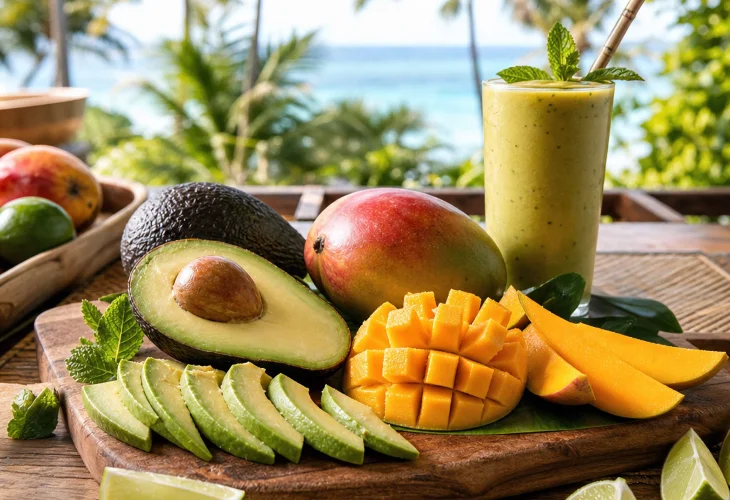
Nutrition advice often puts the spotlight on individual “superfoods.” But a recent study looked at something a little more appetizing: what happened when adults with prediabetes added both avocado and mango to their daily diets.
The results suggest that this colorful combination may have benefits for blood vessel health.
Heart disease remains the leading cause of death among women in the United States, despite sometimes being thought of primarily as a men’s health issue. While we cannot control every risk factor, our overall diet is one important part of protecting cardiovascular health.
So what did researchers discover about avocado and mango?
What the Study Found
In the eight-week study, published in the Journal of the American Heart Association, adults with prediabetes followed one of two diets.
One group ate one Hass avocado and one cup of fresh mango each day, while a control group consumed calorie-matched alternative foods.
Researchers measured several markers of cardiovascular and metabolic health, including flow-mediated dilation, or FMD. This measures how effectively a blood vessel widens as blood flow increases and is used as an indicator of endothelial, or blood vessel, function.
By the end of the study, the avocado-mango group showed better FMD than the control group, suggesting an improvement in blood vessel function.
Researchers also observed differences in diastolic blood pressure, although the clearest blood-pressure effect was seen among male participants.
The findings are encouraging, but they do not prove that avocado and mango are a magical combination or that eating them will prevent heart disease. The study was relatively short and focused specifically on adults with prediabetes.
It also tested avocado and mango together rather than comparing the two fruits separately, so researchers cannot say from this study whether the effect came from avocado, mango, their combination, or broader differences between the two diets.
Why Avocado and Mango Make a Nutritious Pair
Whatever the precise explanation for the results, both foods bring valuable nutrients to the table.
Avocado provides monounsaturated fats, fiber, potassium, and a range of vitamins and plant compounds. Mango provides vitamin C, fiber, carotenoids, and other phytochemicals.
Participants eating avocado and mango increased their intake of fiber, vitamin C, and monounsaturated fats during the study.
Researchers suggested several possible explanations for the observed vascular benefits, including greater fiber intake, antioxidant activity, and changes involving nitric oxide, which plays an important role in blood vessel function. However, the study was not designed to determine exactly which nutrients or mechanisms caused the improvement.
The takeaway, then, is not that everyone needs to eat an avocado and a mango every day. Rather, the findings add to evidence supporting diets rich in whole, nutrient-dense plant foods.
4 Easy Ways to Eat Avocado and Mango Together
1. Make a fresh salsa: Chop mango and avocado and combine them with red onion, chili pepper, cilantro, and fresh lime juice. Serve it as a dip or alongside your favorite protein.
2. Try a smoothie bowl: Blend frozen mango with a little avocado for a creamy texture, then add your preferred milk or plant-based drink and a handful of spinach.
3. Add them to a salad: Combine mango cubes and avocado slices with leafy greens, pumpkin seeds, and a simple citrus dressing.
4. Upgrade your avocado toast: Spread mashed avocado over whole-grain toast, add thin slices of mango, and finish with chili flakes and a small pinch of salt.
Is This Combination Right for Everyone?
Anyone with an allergy to avocado or mango should, of course, avoid the relevant food.
People with diabetes or other conditions that require individualized dietary management do not necessarily need to avoid mango simply because it contains natural sugar. However, portion sizes, overall carbohydrate intake, medications, and individual blood-sugar responses can matter, so personalized guidance from a doctor or registered dietitian may be helpful.
It is also important to keep the study in perspective. It lasted eight weeks and involved a specific group of adults with prediabetes. In addition, the research was supported by an unrestricted grant from the National Mango Board and Hass Avocado Board, although the organizations were reported to have had no role in the study design or findings.
Still, the results offer an appealing reminder that supporting heart health does not always require complicated dietary rules.
Sometimes, adding more whole, nutrient-rich foods to your plate can be a good place to start.

