

Hot on the Web
Keeping Shabbat Cost Itay Turgeman a Major Campaign: “It Was for the Best”
Israeli actor Itay Turgeman opens up about losing a major campaign because he keeps Shabbat, and shares his faith-filled response to the setback.
- Yitzchak Eitan
- | Updated
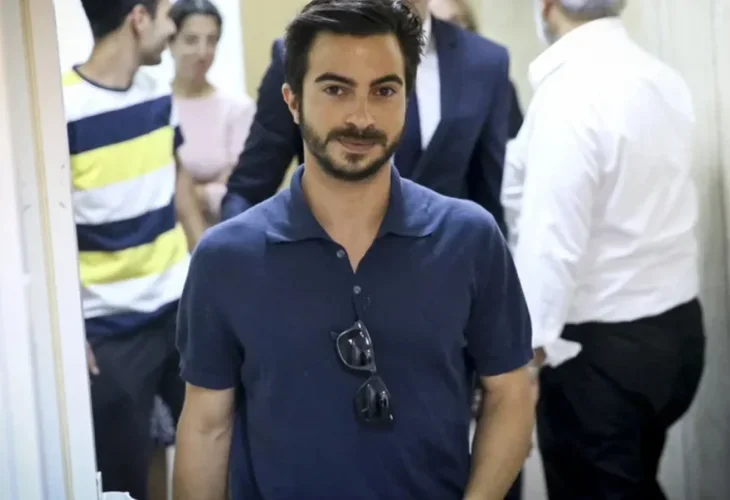 Itay Turgeman (Photo: Flash90)
Observing Shabbat in the entertainment industry can sometimes come with a professional cost. Actor Itay Turgeman recently revealed that he lost a major advertising campaign after the client discovered that he keeps Shabbat. His reaction, however, was not one of anger or disappointment.
Turgeman, who has spoken openly in recent years about his process of spiritual growth, shared the story in an interview with “Israel Entertainment.”
“There was some campaign recently, something that was already finalized and was really a good fit for me,” Turgeman recalled. “Then the client dropped it because he heard that I keep Shabbat.”
Asked how he reacted to losing the opportunity, Turgeman explained that he immediately chose to view it through the lens of faith.
“I was very happy, and I said, ‘Wow, if Hashem is taking this thing away from me, then it is for the absolute best.’”
“I accepted it like that, instantly,” he added.
“My Life’s Work Is Being Good to My Wife”
Turgeman has also spoken recently about another area that has become deeply important to him: his marriage.
In a recent interview, the actor said that “my life’s work is being good to my wife.” Speaking on an informal podcast, he became emotional as he described what it means to him to know that his wife is happy in their marriage.
“I want my wife to say that I’m a great guy, and I could cry about it right now because it moves me. Suddenly my wife tells me, ‘I’m happy I married you. I’m really happy.’”
For Turgeman, that statement carries enormous weight.
“I tell myself, ‘Wow, she gave you her whole life. She placed her whole life with you. Her home, her being, her energy. Everything. You are her home.’”
“I Committed Myself to Her”
Turgeman also reflected on the level of commitment he believes marriage requires, particularly at a time when couples can sometimes become emotionally distant long before a relationship officially ends.
“In the current generation, people get divorced without getting divorced,” he said. “They are already divorced, they are separate.”
He then reflected on the commitment his wife made when they married.
“My wife traded her family name for Turgeman. Imagine what that means. We make a material transaction. I stood under my wedding canopy, in front of 500 people, with a microphone in my hand, and committed myself to her.”
Taken together, Turgeman’s recent comments reveal how faith and commitment are increasingly shaping the way he approaches both his professional and personal life. Whether it means accepting the loss of a major campaign because of Shabbat or viewing his marriage as a responsibility worthy of constant investment, he appears determined to place his values ahead of convenience.

