

Home Styling
8 Simple Ways to Keep Your Home Cool Without Blasting the AC
Running the AC all day can send your electric bill soaring. These simple changes can help keep your home cooler while reducing the strain on your cooling system.
- Tehila Cohen
- | Updated
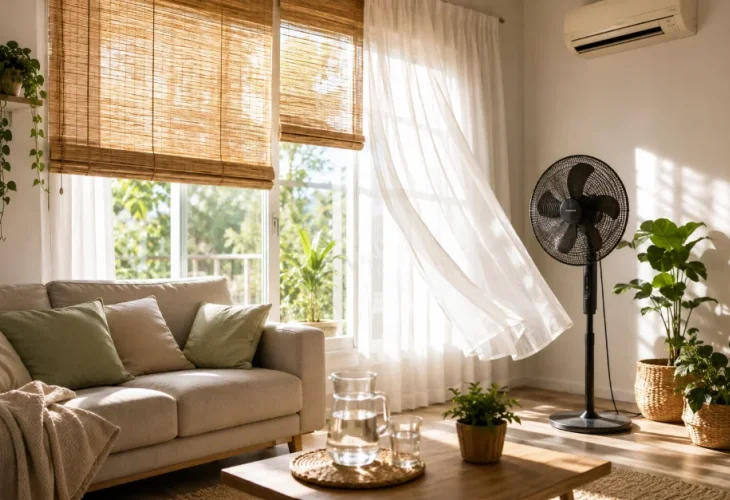
In the middle of a hot summer, it is hard to imagine getting through the day without air conditioning. But running the AC for hours at a time can quickly send your electricity bill soaring.
Fortunately, a few simple changes can help keep your home cooler, reduce the strain on your air conditioner, and potentially save money on electricity.
Close the Blinds During the Hottest Hours
One of the main reasons a home heats up is direct sunlight. When sunlight streams through the windows, it warms the floors, walls, and furniture, and that heat can remain trapped indoors for hours.
During the hottest part of the day, close blinds or curtains in rooms that receive direct sunlight. Blackout curtains or other heat-blocking window coverings can be especially helpful in rooms that get strong afternoon sun.
Air Out Your Home at the Right Time
Opening the windows can help, but timing matters.
In the early morning or evening, when the temperature outside is cooler than it is indoors, open windows on opposite sides of the home to create cross-ventilation. This allows cooler air to enter while helping accumulated heat escape.
Once the temperature outside begins climbing again, close the windows to help keep that cooler air inside.
Use a Fan Along With the AC
If you are already using the air conditioner, consider turning on a ceiling fan or portable fan as well.
Fans do not actually lower the temperature of a room, but moving air can make you feel cooler. They can also help distribute cool air throughout the room, allowing you to set the thermostat slightly higher while still remaining comfortable.
Just remember to turn the fan off when you leave the room, since fans cool people rather than empty spaces.
Avoid Heating Up the House With Appliances
Your oven, clothes dryer, dishwasher, and other heat-producing appliances can make an already warm home even hotter.
On especially hot days, try to use them during the cooler morning or evening hours whenever possible. You can also choose meals that require less oven use when temperatures are particularly high.
Clean or Replace Your AC Filters
A dirty air filter can restrict airflow and make your cooling system work harder than necessary.
Whether you have central air or a window or wall unit, check the filter regularly during periods of heavy summer use and clean or replace it according to the manufacturer’s instructions.
Keeping filters clean can help your system cool more effectively and operate more efficiently.
Don’t Cool Rooms You Aren’t Using
If you use individual or window AC units, close the doors to rooms you are not cooling so the cold air stays where you need it.
With central air, however, closing off rooms or vents is not always recommended, since it can affect airflow and system efficiency. In that case, follow the recommendations for your particular HVAC system.
Set a Comfortable Temperature
Turning the thermostat extremely low does not necessarily cool your home faster, but it can make your air conditioner work harder.
A moderate temperature, often around 75–78°F (24–26°C), can be comfortable for many households, especially when combined with a fan. The ideal setting will depend on your home, humidity levels, cooling system, and personal preference.
Even raising the thermostat by a few degrees when you are comfortable doing so can reduce the amount of energy your AC uses.
Create More Shade Outside
Stopping sunlight before it reaches your windows can also help keep indoor temperatures down.
Awnings, exterior shades, shutters, trees, and strategically placed plants can provide shade and reduce the amount of direct sunlight hitting windows and walls.
Keeping your home comfortable during the summer does not necessarily mean blasting the AC all day. By blocking unnecessary heat, taking advantage of cooler hours, and helping your cooling system work more efficiently, you can stay comfortable while keeping your summer electricity bills a little more under control.

