

Health and Nutrition
Waking Up With a Strange Taste in Your Mouth? Here's What to Know
Learn why your mouth may taste sour, salty, or metallic when you wake up, and which symptoms could indicate it's time to seek medical advice.
- Shira Dabush (Cohen)
- | Updated
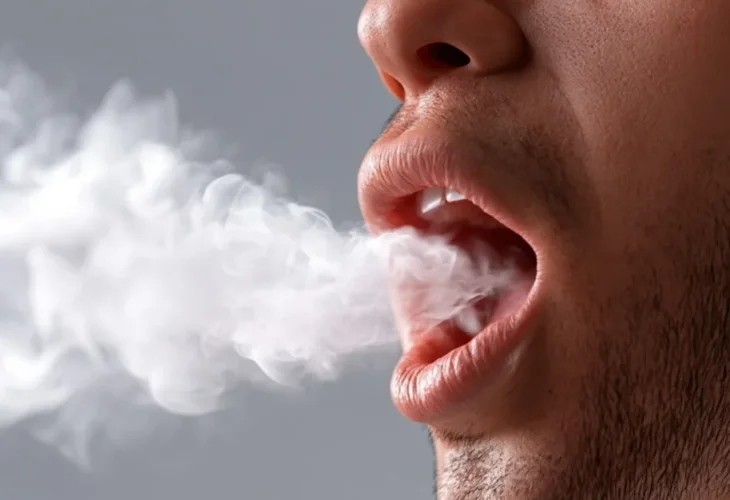
You wake up in the morning, before your first cup of coffee or breakfast, and notice a strange taste in your mouth. Perhaps it's bitter, sour, salty, or even slightly metallic, almost as though you've tasted blood.
It's an unpleasant sensation, especially when you brushed your teeth the night before and haven't eaten anything for hours.
So where does that strange taste come from, and could it be telling you something about your health?
In most cases, an unusual taste in the morning isn't a cause for concern. However, the type of taste, how often it occurs, and whether you experience other symptoms can offer clues about what's happening.
Why Does Your Mouth Taste Strange in the Morning?
One of the most common explanations is a simple change that happens naturally while we sleep: our bodies produce less saliva.
Saliva does much more than keep the mouth moist. It helps wash away food particles, control bacteria, and protect our teeth and gums.
During sleep, saliva production decreases, allowing bacteria and the compounds they produce to remain in the mouth for longer. This is one reason many people wake up with morning breath or a stale, bitter taste.
The effect can be more noticeable if you sleep with your mouth open, snore, experience nasal congestion, or tend to have a dry mouth.
If the taste disappears after drinking water, eating breakfast, or brushing your teeth, it may simply be related to these normal overnight changes.
What Different Tastes Might Mean
A salty or metallic taste
A salty or slightly metallic taste may sometimes be connected to your nose and sinuses rather than your mouth.
Colds, allergies, sinus infections, and nasal irritation can cause postnasal drip, a condition in which mucus drains from the nose into the back of the throat.
If the nasal tissues are irritated, a small amount of bleeding may also contribute to a metallic or blood-like taste.
The UK's National Health Service (NHS) lists respiratory conditions, including colds and sinus problems, among the possible causes of a metallic taste in the mouth.
A sour taste
If you regularly wake up with a sour or acidic taste, acid reflux may be one possible explanation.
Reflux occurs when stomach contents flow backward into the esophagus and sometimes reach the throat or mouth.
Although reflux is often associated with heartburn, some people experience symptoms without the familiar burning sensation. This is sometimes referred to as silent reflux.
Other possible symptoms include morning hoarseness, frequent throat clearing, or a sensation of something being stuck in the throat.
However, these symptoms can have several causes, so a sour taste alone doesn't necessarily mean you have reflux.
A metallic taste accompanied by bleeding gums
Sometimes the source of an unusual taste is your gums.
If you notice bleeding when brushing or flossing, gum tenderness, swelling, or persistent bad breath, gum inflammation or gum disease may be contributing to the problem.
Even small amounts of blood can produce a metallic taste.
The NHS identifies gum disease as another possible cause of a metallic taste in the mouth.
Brushing twice daily with fluoride toothpaste, cleaning between your teeth, and attending regular dental checkups can help maintain healthy gums.
Other Reasons Your Sense of Taste May Change
Medications
Certain medications can affect your sense of taste, sometimes leaving a bitter or metallic sensation.
The NHS lists several medications, including the antibiotic metronidazole, among the possible causes.
If you notice a strange taste shortly after starting a new medication, speak with your doctor or pharmacist.
Never stop taking prescribed medication without medical advice. A healthcare professional can help determine whether the taste change might be related to your treatment.
Pregnancy
Hormonal changes during pregnancy can affect both taste and smell.
Some women experience a metallic taste, particularly during early pregnancy. This is sometimes called dysgeusia, a term used to describe an altered sense of taste.
According to the NHS, pregnancy-related taste changes are usually temporary and often improve on their own.
Changes in your sense of smell
Taste and smell are closely connected, which explains why food can seem bland or unusual when you have a blocked nose.
Respiratory infections, nasal congestion, and other conditions that affect your sense of smell can also change the way you perceive flavors.
In some cases, what feels like a problem with taste may actually be related to changes in your sense of smell.
How Can You Wake Up With a Fresher Mouth?
If the unusual taste appears only in the morning and disappears fairly quickly, a few simple habits may help.
Start by drinking enough fluids throughout the day, particularly if you frequently experience a dry mouth.
Maintain a consistent oral hygiene routine by brushing your teeth thoroughly before bed, cleaning between your teeth, and gently cleaning your tongue, where bacteria can accumulate.
If dry mouth is an issue, chewing sugar-free gum during the day may help stimulate saliva production. You can also speak with your dentist about products designed to relieve dry mouth.
If you suspect reflux, pay attention to whether your symptoms become worse after large meals or eating shortly before bedtime. Avoiding meals in the two to three hours before lying down may help some people.
And if you regularly wake up with a dry mouth because of nasal congestion, snoring, or mouth breathing, addressing the underlying cause may also make a difference.
When Should You See a Doctor?
An occasional strange taste that disappears after drinking water or brushing your teeth is usually nothing to worry about.
However, if a metallic, bitter, or otherwise unusual taste persists, keeps returning, or appears without an obvious explanation, it's worth discussing it with a healthcare professional.
The NHS recommends seeking medical advice for a metallic taste that doesn't go away or has no clear cause.
You should also arrange an assessment if you experience recurring gum bleeding, mouth pain, sores that don't heal, difficulty eating, or a significant change in your sense of taste. Significant or persistent bleeding warrants prompt medical attention.
The bottom line: A strange taste in your mouth when you wake up is often related to reduced saliva production overnight. But when it becomes persistent or is accompanied by other symptoms, it may be worth investigating.
Paying attention to when the taste appears, how long it lasts, and whether anything else has changed can help you and your healthcare professional identify the possible cause.

