

Magazine
Her Husband Was Sent to Prison: What She Did Next Changed Hundreds of Lives
When Mindy Bokshpan's husband was imprisoned, her family fell apart. Discover how she turned their ordeal into a lifeline for hundreds of families.
- Vered Baler
- | Updated

Mindy Bokshpan never imagined that her family's most difficult experience would lead her to help hundreds of others. A mother from the Haredi community of Beitar Illit, she spent her days caring for infants while her husband, Yohanan, studied in yeshiva. They were raising their children and living what seemed like an ordinary, peaceful life. Then, on the eve of Purim, everything changed.
Yohanan was arrested following a complaint filed by a relative who had left the religious community. He maintained that the accusations came after an unsuccessful attempt to extort money from him. Despite denying the allegations, he was convicted and sentenced to eight years in prison.
For Mindy and her children, the consequences were devastating. Their family was suddenly separated, their financial stability disappeared, and they found themselves facing the stigma that often surrounds incarceration.
Yohanan continued fighting to clear his name. After a year and eight months in prison, Israel's Supreme Court unanimously acquitted him, citing serious problems with the complainant's testimony and criticizing the lower court's failure to adequately consider evidence and witness statements that could have supported his defense.
According to Yohanan, he was among a very small number of people to have their convictions overturned by Israel's Supreme Court, and the first Haredi man to receive such an acquittal.
But while his ordeal eventually ended, Mindy had already discovered a need that would change the direction of her life.
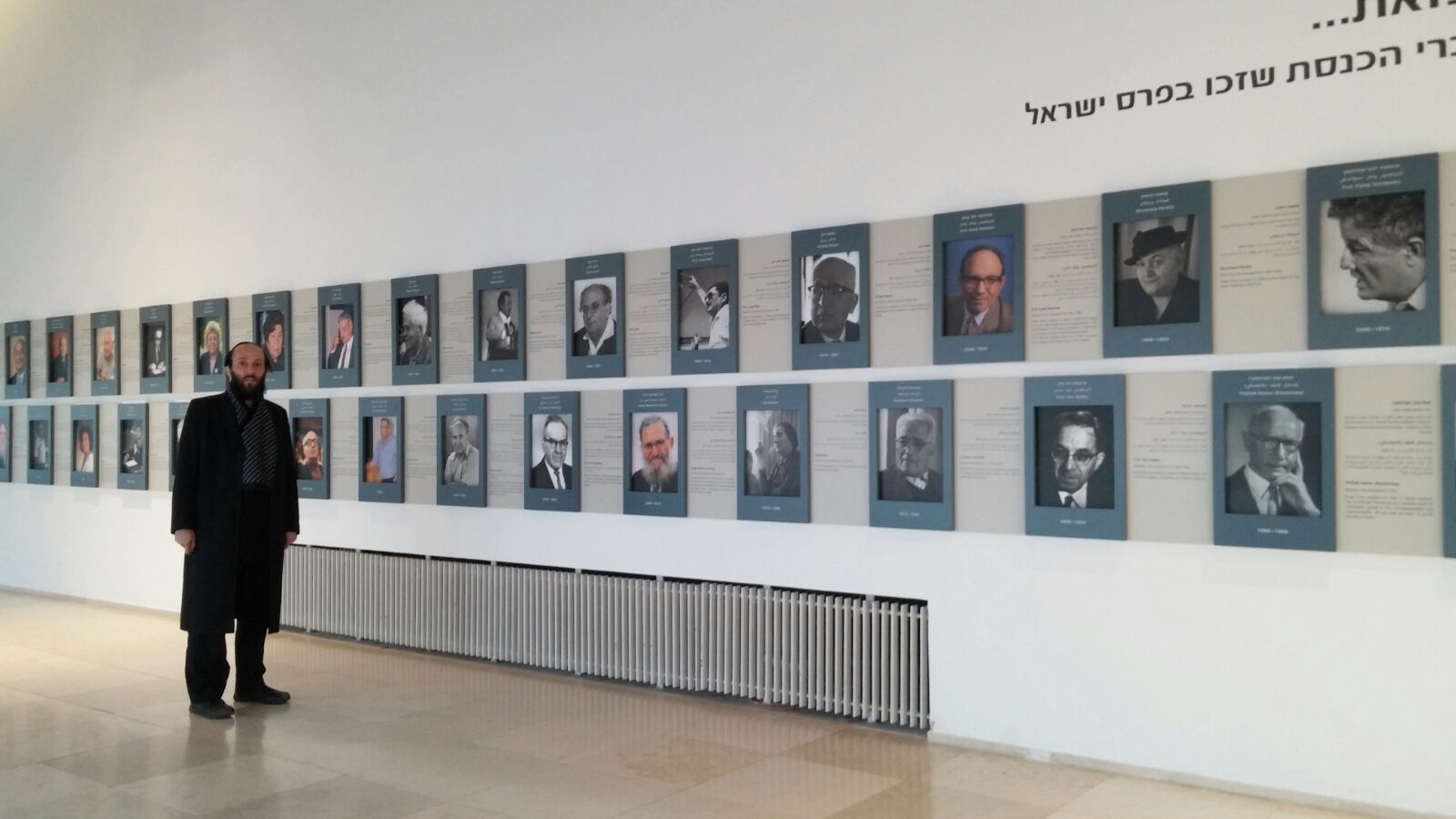 Yohanan Bokshpan, Mindy's husband
"If Yohanan Hadn't Been in Prison, None of This Would Exist"
"Today I know there was no other reason for what we went through," Mindy reflects. "Hashem wouldn't have given us this test unless it was to open a door I never dreamed I could open."
"I never imagined that I, Mindy from Beitar Illit, a simple woman who worked caring for babies, would build such a large organization and be able to help so many families whose worlds had collapsed. If Yohanan hadn't been in prison, none of this would have happened."
During her husband's imprisonment, Mindy founded Dror LaMishpacha, a charitable organization supporting families in the religious community whose loved ones are incarcerated. What began as a small gathering of women facing similar circumstances has grown into a support network serving more than 300 families.
Mindy understands their struggles firsthand. Beyond the emotional shock of an arrest, families often face overwhelming legal expenses, the loss of income, and the challenge of raising children without a parent at home. In close-knit communities, they may also endure painful gossip, judgment, and isolation.
"The hardest part, more than anything, is the wall of shame and secrecy," she explains.
"When my husband went to prison, I quit my job within a month. Suddenly, I had to run the household alone and take care of everything connected to his imprisonment. I couldn't work, and that's what happens to many women whose husbands are incarcerated."
She points out that while communities have established charities to support widows, orphans, and families dealing with illness, the relatives of prisoners can fall through the cracks.
"When someone is arrested, the lives of everyone around them collapse. You have to pay legal bills, deposit money for the person in prison, and somehow support a household that has lost an income. Whether the person is in prison rightly or wrongly, what about the wife and children? You can't imagine what they go through."
From Five Women to Hundreds of Families
The idea for Dror LaMishpacha came during the Nine Days, the period of mourning leading up to Tisha B'Av.
Not long after Yohanan entered prison, Mindy began receiving calls from relatives and friends asking how they could help. She decided to organize a hafrashat challah gathering, a women's event centered on the mitzvah of separating a portion of dough, in her husband's merit.
Forty women attended. Among them was a relative whose son was seriously ill. During the evening, the woman spoke about the support group she belonged to and how much strength she drew from meeting other parents facing similar challenges.
"The doctor says what he says," the relative told her, "but in our group, we know and believe that everything is in Hashem's hands."
Her words stayed with Mindy.
"I came home full of thoughts," she recalls. "I thought about how a Haredi parent with a sick child believes that everything comes from Hashem, yet still finds comfort and strength in a support group. What about us, the wives of inmates? We face scorn and a community that struggles to accept us. Why shouldn't we have something similar?"
She decided to create a space where women could speak openly without fear of judgment.
"Five women came to the first meeting on the seventh of Elul," she says. "Seven came to the second, on the eve of Rosh Hashanah. With each meeting, I saw the group grow."
Eventually, the gatherings became a monthly fixture, and the organization expanded to offer practical and financial assistance alongside emotional support.
For Mindy, one of the greatest challenges remains persuading women to ask for help before their circumstances become desperate.
"There are so many things a person with no experience of the criminal justice system simply doesn't know," she explains. "How to work with an attorney, how to prepare for a court hearing, or how to explain to children that their father is in prison."
Her message is simple: "Don't be ashamed to reach out to people who can help. Don't waste your energy on shame and secrecy. This isn't the time."
"Suddenly, There's a Shoulder to Cry On"
The organization provides more than a place to share painful experiences. Its members help one another navigate the complicated realities of having a loved one in prison.
Mindy regularly receives questions about prison visits, legal procedures, and family emergencies. A woman might call in a panic after forgetting her identification on the way to visit her husband, unsure whether her driver's license will be accepted. Another might need guidance on requesting temporary leave for an incarcerated husband to attend his son's wedding.
Alongside these practical concerns are the far more difficult challenges of poverty, loneliness, and raising children under intense social pressure.
Mindy remembers one woman whose husband's imprisonment had left her drowning in debt. Although she worked from morning until night, nearly everything she earned went toward collection payments. There was barely enough money for rent, electricity, or food.
When Mindy invited her to the group's meetings, the woman repeatedly declined, explaining that she was too busy working.
But Mindy kept reaching out.
"One day, she broke down in tears," Mindy recalls. "'I don't have bread to give my children,' she told me. 'My refrigerator is empty. There's no milk, nothing.'"
Mindy encouraged her to attend a gathering and connect with other women who understood what she was experiencing.
Once she learned the full extent of the family's difficulties, Mindy helped the woman find attorneys to negotiate with creditors, approached charities for financial assistance, and worked with her to resolve her debts.
Months later, during a Shabbat gathering organized by Dror LaMishpacha, the woman stood before the group and shared what their support had meant to her.
"If I didn't have Mindy and the organization, I wouldn't be alive today," she said. "I wouldn't have survived. Today I can buy food for my children. I can take care of them. I don't know what I would do without these gatherings."
For Mindy, moments like these demonstrate why the organization is so desperately needed.
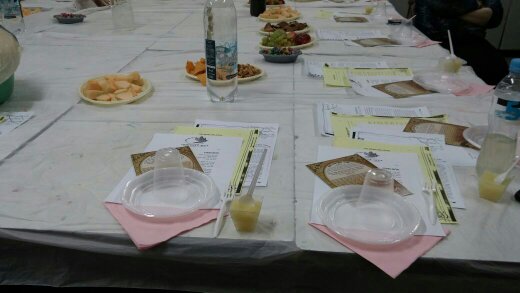
Dror LaMishpacha also arranges monthly gatherings for mothers and children, as well as special events around Jewish holidays. These occasions offer families something that can be difficult to find elsewhere: a place where they feel accepted.
"The children didn't commit any crime, yet they pay such a heavy price," Mindy says. "Home is difficult. Dad isn't there, and Mom is present but pulled in a thousand directions. Their social world can be painful. They're excluded, teased by their peers, and weighed down by shame."
At the organization's gatherings, those same children can spend time with others who understand their circumstances without needing an explanation.
"They suddenly feel equal. They have people to talk to and can share openly with them."
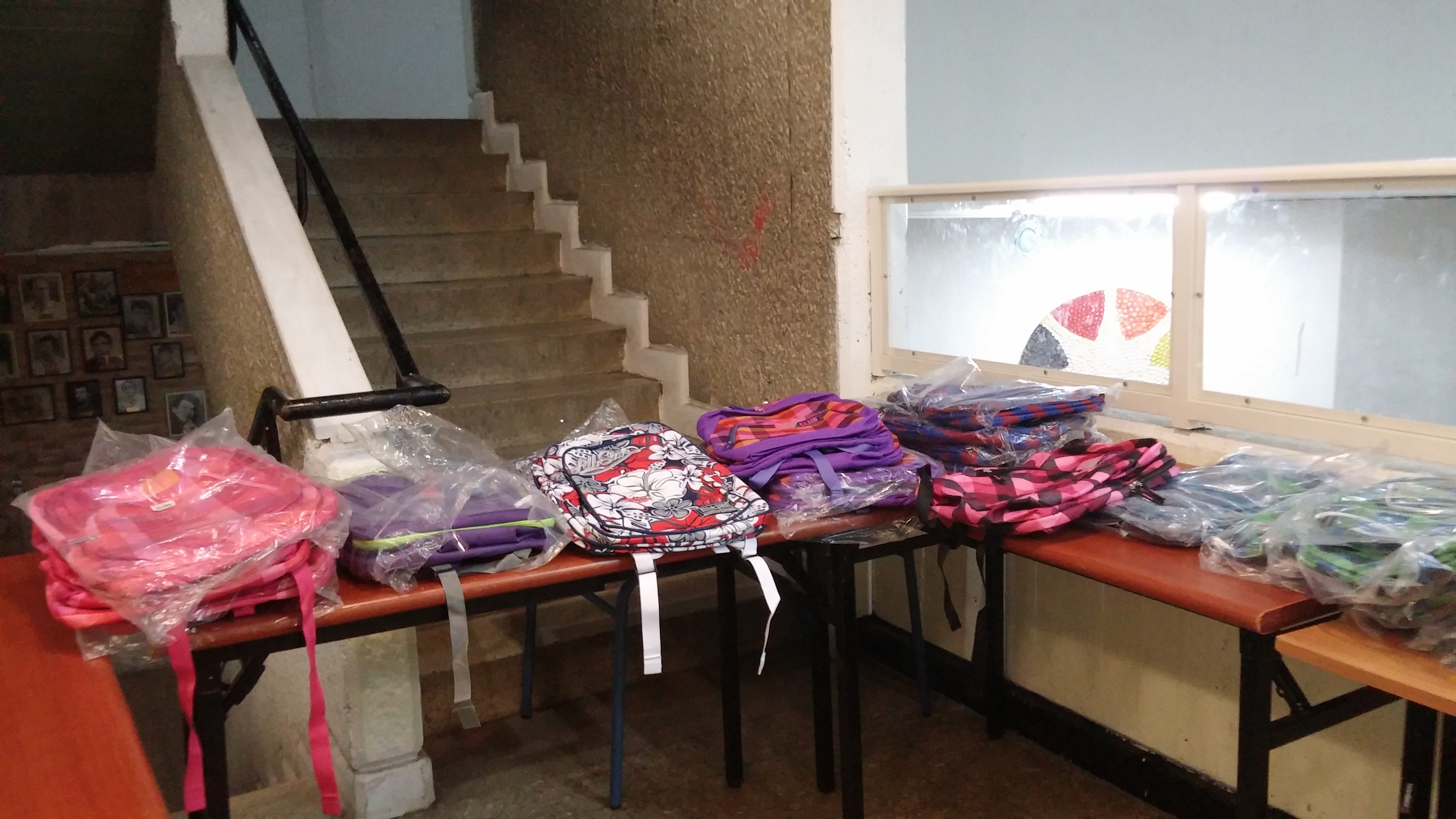
One of Mindy's hopes is to expand the organization's services to include emotional therapy for children. For now, however, the urgent financial needs of many families remain a major challenge.
"Sadly, most of our families are in economic collapse," she says. "Some are literally facing hunger."
"The Wife and Children Aren't to Blame"
Raising money for the family of someone in prison isn't always easy. Unlike other charitable causes, the circumstances can make potential donors uncomfortable or reluctant to get involved.
But Mindy believes this hesitation overlooks the people who are suffering most.
"The wife and children aren't to blame!" she insists. "They didn't commit a crime, and they don't deserve to be punished."
When a woman approaches Dror LaMishpacha, Mindy doesn't ask why her husband was imprisoned.
"There are women in our organization whose husbands have been in prison for years, and to this day, I have no idea what they were convicted of. It doesn't matter to me."
Her concern is for the family left behind, trying to manage daily life while coping with the absence of a husband and father.
"Maybe he stole, harassed someone, or was arrested during a protest. He's in prison, and she's at home alone, trying to find food for the children, dealing with crushing shame, and sitting at a Shabbat table without their father."
Mindy is careful to distinguish between accountability for wrongdoing and the suffering of innocent relatives.
"I'm not minimizing anything. Someone who broke the law has to pay their debt to society. But his family isn't guilty. They're not."
She believes communities must recognize that helping these families is not the same as excusing a prisoner's actions. Rather, it gives spouses and children the stability and support they need to rebuild their lives.
"If we don't give inmates and their families the chance to rebuild, they won't rebuild, and the cycle of hardship will repeat itself."
For Mindy, what began as an unimaginable personal crisis has become a mission rooted in compassion and responsibility. Her husband's acquittal brought one chapter of their family's ordeal to a close, but the organization born during those difficult months continues to serve others.
"We have no way to fathom what a woman goes through when her husband is sent to prison in the middle of life," she says. "People don't grasp what a crisis this is for the family, for the children. It's no less difficult than dealing with a serious illness or the death of a family's breadwinner, and sometimes it's even harder."
Through Dror LaMishpacha, Mindy hopes to ensure that families facing this kind of crisis no longer have to face it alone.

