

Health and Nutrition
Goodbye Cracked Heels: How to Remove Dead Skin From Your Feet
Learn how to safely remove dead skin from your feet at home, soften rough heels, and avoid common mistakes that can cause irritation or injury.
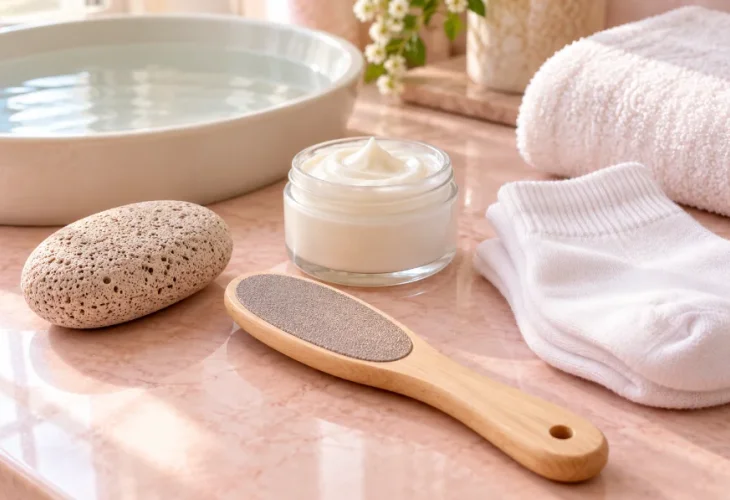
Do your socks keep catching on your heels? Does the skin on your feet look rough, flaky, or whitish? Dry, hardened skin on the feet is a common problem, but removing it the wrong way can cause irritation, painful cracks, and even injury. Fortunately, with a little care and the right routine, you can help restore softer, smoother skin at home.
Before reaching for a foot file or pumice stone, it's important to understand what you're dealing with. Dry, peeling skin is different from the thick, hardened skin that develops from repeated pressure and friction, often called a callus.
If your feet are simply dry, regular moisturizing may be all you need. But if a thick layer of hard skin has built up and foot cream alone isn't helping, gentle filing may be useful, provided the skin is intact and free of open cracks or wounds.
Step 1: Soften the Skin With a Short Foot Soak
Start by washing your feet with lukewarm water. If you have areas of particularly hard skin, soak your feet for about 5 to 10 minutes to help soften them before filing.
Avoid very hot water or soaking for too long, as both can strip the skin of moisture and make dryness worse.
There's also no need to add lemon juice, vinegar, or other ingredients to the water. These can irritate sensitive or cracked skin, so plain lukewarm water is the safest choice.
Step 2: Gently Remove the Hardened Skin
Wet a pumice stone and gently rub it over the thickened areas of your feet. Use light pressure rather than scrubbing aggressively, and avoid removing too much skin at once.
If you're using a different type of foot file, check the manufacturer's instructions, as some are designed to be used on dry skin rather than wet skin.
Remember, you don't need to remove every layer of hard skin in one session. Try filing gently once a week and pay attention to how your feet respond. If you experience pain, burning, or sensitivity, stop immediately.
Never file over open cracks, wounds, or inflamed skin. You should also avoid using knives, razors, or scissors to remove hardened skin, as these can easily cut into healthy tissue and cause injury.
If you notice loose, peeling skin, resist the temptation to pull it off. It's generally better to leave it alone and allow it to shed naturally.
For particularly thick or painful calluses, especially those that hurt when you walk, consult a podiatrist rather than trying to remove them yourself.
Step 3: Moisturize to Keep Your Feet Soft
Once you've finished, rinse your feet, dry them thoroughly, and apply a moisturizing foot cream to the dry areas.
Look for a cream containing urea, an ingredient that helps attract moisture and soften thickened skin. Follow the product instructions, and avoid applying it to open wounds unless advised by a healthcare professional.
For extra moisture, try applying a thin layer of petroleum jelly to your heels before bed and wearing clean cotton socks overnight.
Be careful not to leave excess cream or petroleum jelly between your toes, where trapped moisture can encourage fungal growth. It's also important to avoid walking barefoot while your feet are slippery from moisturizing products.
Consistency is more effective than aggressive treatment. Regular moisturizing and occasional gentle filing can help prevent hard skin from building up again.
When Should You Avoid Treating Your Feet at Home?
Although mild dryness and calluses can often be managed at home, some symptoms require professional attention.
If you have deep cracks, bleeding, spreading redness, swelling, or signs of infection, consult a doctor or podiatrist rather than attempting to remove the skin yourself.
Peeling skin accompanied by itching, particularly between the toes, may indicate a fungal infection such as athlete's foot. In this case, moisturizing and filing alone won't address the underlying problem, and antifungal treatment may be necessary.
People with diabetes, poor circulation, or reduced sensation in their feet should avoid filing or cutting away hard skin without medical guidance. Even a small injury can lead to complications when circulation or sensation is impaired.
To help prevent dry, hardened skin from returning, choose comfortable, properly fitting shoes that reduce friction and pressure on your heels. Combine this with regular moisturizing and gentle foot care.
With the right approach, keeping your feet soft and healthy doesn't require harsh treatments or expensive products. A simple, consistent routine is often all it takes.

