

Health and Nutrition
Winter Hand Care: 4 Natural Ways to Ease Dry Skin
From olive oil and shea butter to oatmeal and jojoba oil, discover four natural ways to care for dry hands during the colder months.
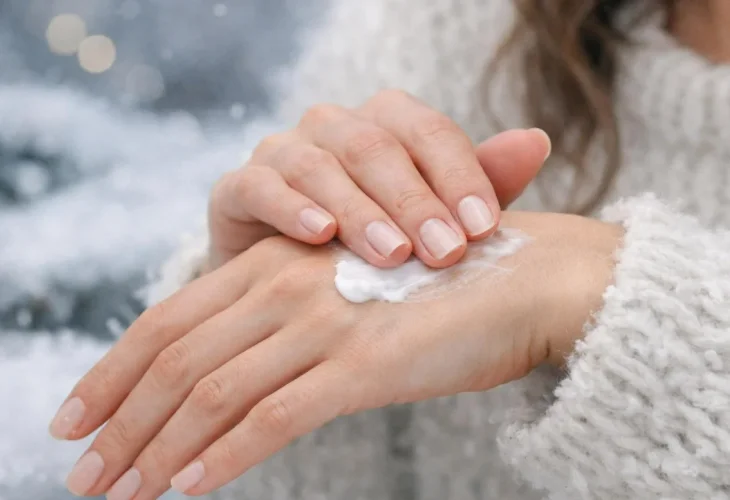
Cold weather can be particularly harsh on your hands. As temperatures drop, you may notice your skin becoming rough, itchy, flaky, or even cracked. And while winter weather is partly to blame, the dry air inside your home can make matters worse.
Cold air generally contains less moisture, while indoor heating can further reduce humidity. Together, these conditions weaken the skin's natural protective barrier, allowing moisture to escape more easily.
Fortunately, a few simple ingredients you may already have at home can help soothe dry skin and keep your hands feeling softer. Here are four natural options worth trying.
1. Olive Oil: A Simple Way to Soften Dry Skin
Olive oil contains fatty acids and antioxidant compounds that may help soften dry skin. Its rich texture can also help reduce moisture loss, making it a useful addition to your regular hand care routine.
How to use it: Apply a few drops of olive oil to slightly damp hands and massage gently for a minute or two. Leave it on your skin to absorb, or wipe away any excess with a soft towel if it feels too greasy.
Keep in mind that olive oil isn't suitable for everyone and may irritate sensitive or eczema-prone skin. If your hands are already inflamed or severely cracked, a fragrance-free moisturizing cream or ointment is generally a better choice.
2. Shea Butter: Rich Moisture for Rough Hands
Shea butter is a natural plant-based fat extracted from the nuts of the shea tree. Known for its rich, creamy texture, it helps soften rough skin and form a protective layer that reduces moisture loss.
It's particularly useful for dry areas around the knuckles, fingertips, and nails, where skin can become especially rough during winter.
How to use it: Warm a small amount of shea butter between your fingers, then gently massage it into dry areas. You can also apply it before bed to give your skin extra moisture overnight.
Choose a fragrance-free product whenever possible, especially if your skin is sensitive.
3. Oatmeal: A Gentle Option for Itchy, Irritated Skin
Oatmeal isn't just a breakfast staple. Finely ground oats, particularly colloidal oatmeal, are commonly used in skincare products designed to soothe dry, itchy, and irritated skin.
Colloidal oatmeal can help support the skin's protective barrier and relieve discomfort caused by dryness.
How to use it: Mix a tablespoon of very finely ground plain oatmeal with a little lukewarm water until it forms a soft paste. Gently spread it over your hands, leave it on for about five minutes, then rinse with lukewarm water.
Pat your hands dry and apply a fragrance-free moisturizer immediately afterward.
For particularly sensitive skin, a ready-made moisturizer containing colloidal oatmeal may be a more reliable option than a homemade mixture.
4. Jojoba Oil: Extra Care for Your Nails and Cuticles
Dry winter weather doesn't just affect your hands. The skin around your nails can also become rough, flaky, and uncomfortable.
Jojoba oil, which is technically a liquid wax, can help soften the skin and reduce moisture loss. Its lightweight texture makes it particularly convenient for caring for dry cuticles.
How to use it: Apply a small drop of jojoba oil around each nail and gently massage it into the surrounding skin.
For best results, try using it in the evening after applying your regular hand moisturizer.
What Should You Avoid Putting on Dry Hands?
Although homemade skincare remedies are popular online, some ingredients can actually make dry, irritated skin worse.
Lemon juice, baking soda, harsh sugar scrubs, and concentrated essential oils may disrupt the skin's protective barrier or cause irritation, particularly when the skin is already red, sensitive, or cracked.
It's also worth paying attention to everyday habits. Frequent washing with hot water, harsh soaps, and exposure to cleaning products can strip away the skin's natural oils.
To protect your hands during winter, wash them with lukewarm water and a gentle cleanser, apply a thick, fragrance-free moisturizer after washing, and wear gloves when cleaning or spending time outdoors.
Natural oils and butters can be helpful additions to your routine, but they shouldn't replace a good moisturizer, particularly if your skin is very dry.
If your hands develop deep cracks, bleeding, persistent redness, or severe itching, consult a healthcare professional. These symptoms may indicate hand eczema or another skin condition that requires more than home remedies.
With a little consistency and the right care, you can help protect your hands from winter dryness and keep your skin feeling comfortable throughout the colder months.

