

Home Styling
Holes in Your Clothes? Here's How to Get Rid of Closet Moths for Good
Clothes moths can quietly damage your favorite sweaters and coats. Here's how to spot the warning signs, treat affected clothing, and prevent more holes.
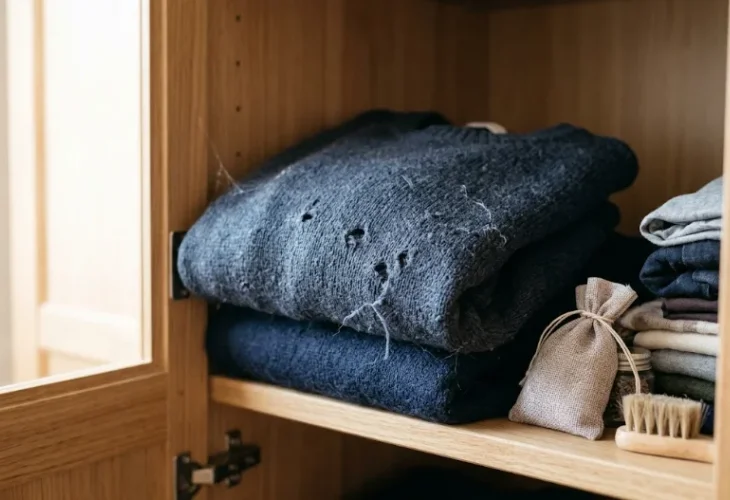
There's nothing more frustrating than pulling your favorite sweater out of the closet after months in storage, only to discover tiny holes that weren't there when you put it away. Before blaming the washing machine or assuming the fabric has simply worn out, it's worth taking a closer look inside your closet.
Clothes moths could be responsible, and if they are, dealing with the damaged garment alone won't solve the problem. The key is to identify the infestation, treat the affected clothing, and thoroughly clean the surrounding area before more damage occurs.
What's Causing Those Holes in Your Clothes?
Surprisingly, it's not the adult moths fluttering around your home that damage clothing. The real culprits are their larvae, which feed on certain natural fibers, particularly those that come from animals.
Wool, cashmere, silk, fur, and feathers are especially vulnerable, making sweaters, coats, scarves, blankets, and other stored textiles potential targets.
To identify a possible infestation, look for irregular holes, thinning patches of fabric, or areas that appear to have been chewed. You might also notice fine webbing, small pale larvae, or tiny protective cases made from fabric fibers.
Pay particular attention to folds, seams, corners, and clothing that has been sitting undisturbed for a long time. Moth larvae tend to thrive in dark, quiet areas where they are unlikely to be disturbed.
However, finding a hole in a sweater doesn't automatically mean you have a moth problem. Fabric can also become damaged through normal wear, snagging, or aging. Carpet beetle larvae can cause similar damage, so it's important to look for additional signs before assuming clothes moths are responsible.
Found Signs of Moths? Here's What to Do
If you suspect clothes moths, the first step is to separate the affected garments from the rest of your wardrobe. Place them in sealed bags and carefully inspect the surrounding clothing, particularly items made from natural animal fibers.
Avoid transferring unchecked garments to another closet, as this could spread the infestation to a new area.
Next, treat the affected clothing to eliminate any larvae or eggs that may be present. Follow the garment's care label carefully, since delicate washing may not be sufficient to kill moths, while high temperatures can shrink or damage wool and cashmere.
For washable items that can tolerate heat, an appropriately hot wash followed by thorough drying may be effective. Delicate garments are best taken to a professional cleaner. Be sure to explain that you suspect clothes moths so the cleaner can recommend a suitable treatment.
If the damaged garment is otherwise in good condition, don't throw it away just yet. Small holes can sometimes be repaired by a skilled seamstress, particularly in wool and cashmere sweaters.
Once you've dealt with the clothing, it's time to tackle the closet itself.
Remove everything from the affected area and vacuum thoroughly, paying special attention to shelves, corners, cracks, baseboards, and any narrow spaces where lint or fibers may have accumulated.
Moth larvae can hide in these overlooked areas, so a quick wipe of the shelves isn't enough.
After vacuuming, empty the canister or dispose of the vacuum bag in a sealed trash bag outside your home. This helps prevent any collected pests from remaining indoors.
Before returning your clothes, make sure you've inspected and cleaned the affected items and that the storage area is completely clean.
How to Keep Clothes Moths From Coming Back
Once you've eliminated the infestation, a few simple habits can help prevent another unpleasant surprise the next time you open your closet.
Lavender sachets and certain essential oils are often recommended as natural moth repellents. While their scent may discourage some moth activity, they are not reliable enough to eliminate an existing infestation or protect clothing on their own.
A more useful option is a pheromone trap designed specifically for clothes moths. These traps attract adult male moths and can help you detect whether moths are still present. However, they don't eliminate the larvae already feeding on your clothes, so they should be used alongside thorough cleaning and treatment rather than as a complete solution.
Make sure you purchase traps specifically labeled for clothes moths. Pantry moth traps are designed for different species and won't solve a clothing infestation.
It's also important to avoid spraying clothing with pesticides that aren't approved for use on fabrics. If the infestation continues despite cleaning and treating the affected items, consider contacting a licensed pest control professional.
Finally, pay attention to how you store seasonal clothing. Moths are particularly attracted to garments that have been left undisturbed, especially those containing traces of sweat, skin oils, or food.
Always clean clothes before putting them away for an extended period, even if they don't appear dirty. Once completely dry, store them in tightly sealed containers or suitable vacuum storage bags to prevent moths from reaching the fabric.
With a little extra care and the right storage habits, you can protect your favorite sweaters, coats, and other delicate garments from unwanted damage and avoid discovering those frustrating little holes next season.

