

Interesting
The Hidden Wonders of Fruit: Discovering Hashem’s Wisdom in Creation
From the protective peel of an apple to the vibrant colors of ripening fruit, discover the remarkable details of nature that reveal the extraordinary wisdom and beauty of Hashem’s creation
- Naama Green
- | Updated
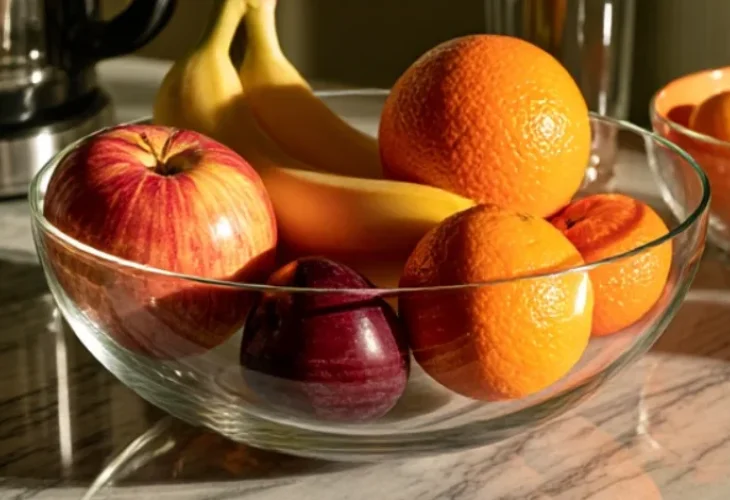
We tear open a package of cookies and throw the wrapper into the trash. When we eat an apple, we eat its packaging, too. Have we ever stopped to consider that this thin, delicate peel can protect an apple for months?
The skin of a fruit contains natural oils that help make it water-resistant, protecting it from the heavy rains that fall during the months of growth and ripening. These oils also contribute to the fruit's distinctive fragrance, making it even more appealing to eat.
Even the tiny stem of an apple serves two essential purposes: it holds the fruit securely in place and supplies the nutrients it needs to grow. While the apple is still developing, the stem keeps it firmly attached to the tree. As the fruit ripens, the connection gradually weakens, allowing the apple to be picked more easily.
Inside the apple, the juices are contained within its flesh, preventing them from simply spilling out when the fruit is cut open. Its sugars and acids also exist in a remarkable balance, producing a pleasant flavor that is neither excessively sweet nor overly sour.
The seeds, meanwhile, are protected within a chamber surrounded by firm, almost plastic-like walls. This tough material helps shield the seeds from the acidity of the fruit's juices. It also makes the core difficult to chew, reducing the likelihood that the seeds will be eaten along with the fruit.
Imagine purchasing a beautifully packaged product and discovering, after enjoying its contents, a coupon inside that entitles you to another package. Fruit offers something even more remarkable.
After eating the fruit, a person may discard its seeds, which can then be dispersed across the ground. Under suitable conditions, those seeds can develop into new plants that will eventually produce more fruit. In this way, the fruit contains not only nourishment for the present but also the potential for future generations.
To those who contemplate the wonders of creation, this reflects the extraordinary wisdom of the Creator, who has provided for even the smallest details.
Why Do Fruits Change Color When They Ripen?
As fruit matures, its appearance often changes in ways that make it more noticeable and attractive. Unripe fruit may blend into the surrounding foliage, while ripe fruit often stands out against the green leaves, signaling that it is ready to be eaten. This transformation can also help protect fruit from being consumed before it has fully developed.
Consider the banana. Its outer peel is water-resistant and turns yellow as it ripens, while the inner portion of the peel is pale, soft, and fleshy.
The watermelon has its own remarkable protective covering. Its thick rind shields the fruit, with a smooth, green, water-resistant outer surface and a firm, pale inner layer. Inside, the bright red flesh creates a striking contrast with the surrounding rind, clearly distinguishing the edible portion from its protective covering.
Each fruit has its own distinctive combination of color, texture, fragrance, and flavor, suited to its structure and development.
The Extraordinary Design of Nature
Think of the remarkable variety of fruits available to us: bananas, apples, oranges, pears, cherries, grapes, pineapples, and melons.
Each has its own shape, color, taste, fragrance, and protective structure. Some have thick peels, while others have thin skins. Some contain a single large pit, while others hold numerous small seeds. Some are sweet and juicy, while others have a refreshing tartness. All provide nourishment while carrying within them the potential for new life.
The more closely we examine these everyday wonders, the more extraordinary they become. What may initially appear to be a simple piece of fruit reveals layer upon layer of complexity, precision, and purpose.
From the protective peel to the delicate balance of flavors and the seeds that carry the possibility of future growth, every detail invites us to look more closely at the world around us.
For those who see the hand of Hashem in creation, the humble apple, the colorful orange, and the sweet grape are far more than delicious foods. They are reminders of the wisdom, generosity, and kindness of the Creator, whose wonders can be discovered in even the simplest things.

