

Health and Nutrition
Could a Common Fiber Supplement Relieve Knee Pain? New Study Finds Promising Results
A University of Nottingham study suggests that inulin, a dietary fiber found in certain vegetables, may help reduce knee osteoarthritis pain by influencing gut bacteria. Discover what the researchers found and whether the supplement is worth trying.
- Shira Dabush
- | Updated
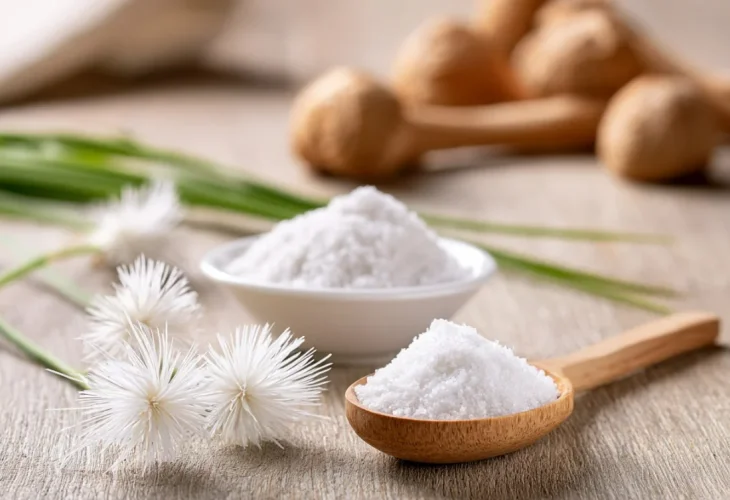
Knee pain can make even the simplest daily activities difficult, from getting out of a chair and climbing stairs to walking short distances around the house. Now, a study from the University of Nottingham in the United Kingdom suggests that a commonly available dietary fiber supplement may help reduce knee pain.
The supplement, called inulin, is a type of dietary fiber found naturally in chicory root, Jerusalem artichokes, and several other plants. Although inulin is familiar to some people with digestive conditions such as irritable bowel syndrome (IBS), researchers wanted to investigate whether its effects on gut bacteria could also influence the severity of knee pain.
Study Finds Significant Reduction in Knee Pain
The study involved 117 adults between the ages of 50 and 68 who had knee osteoarthritis, a condition commonly associated with the gradual deterioration of joint cartilage. Participants were divided into four groups: one received inulin supplements, another performed physiotherapy-guided exercises through a digital platform, a third combined both approaches, and a fourth received a placebo.
The trial lasted six weeks, with participants in the supplement groups receiving 20 grams of inulin daily. Throughout the study, participants were asked to rate their knee pain on a scale from zero to ten. Researchers found that participants who took inulin experienced a significant reduction in pain compared with those receiving the placebo. Exercise also proved beneficial, with the physiotherapy group reporting an improvement of approximately 1.6 points on the pain scale compared with the placebo group.
Participants who received inulin also demonstrated improvements in handgrip strength and reduced sensitivity to pain during assessments conducted by the researchers.
The Surprising Connection Between Gut Health and Joint Pain
The findings raise an intriguing question: How could dietary fiber, which primarily affects the digestive system, influence pain in the knees?
When gut bacteria break down dietary fiber, they produce substances that may influence inflammation and the way the body processes pain signals. One of these substances is butyrate, a short-chain fatty acid produced during the fermentation of fiber in the intestines. Researchers found that butyrate levels increased among participants who received inulin.
The study also identified an increase in GLP-1, a hormone produced in the gut that plays a role in several metabolic processes. Researchers are investigating whether this hormone may help explain the observed improvements, although they emphasize that the findings do not establish that GLP-1 was responsible for the reduction in pain.
These results suggest that changes in the gut microbiome may influence processes beyond digestion, potentially including inflammation and pain sensitivity.
Should People With Knee Pain Start Taking Inulin?
Although the findings are encouraging, researchers caution that it is too early to recommend inulin supplements to everyone experiencing knee pain. The study was relatively short and focused specifically on people with knee osteoarthritis. It did not examine other causes of knee pain, nor did it demonstrate that inulin can repair damaged cartilage or prevent the progression of osteoarthritis.
The supplement also caused digestive discomfort in some participants. Of the 50 participants who completed the inulin treatment, 23 reported mild gastrointestinal side effects, primarily gas and bloating. For this reason, the daily dose of 20 grams used in the trial should not be interpreted as a recommendation for self-treatment. Anyone considering inulin supplementation should consult a doctor or registered dietitian before beginning.
If future studies confirm these findings, inulin could eventually become a useful addition to existing knee osteoarthritis treatments, alongside appropriate exercise, physiotherapy, and other established approaches.
For now, the research offers a promising new perspective on the relationship between gut health and joint pain, suggesting that supporting the gut microbiome may one day play a role in managing the discomfort associated with knee osteoarthritis.

