

World News
Cyberattacks Hit Ukraine and Russia as Trump Pushes New Peace Plan
False chemical and nuclear attack warnings disrupt emergency alert systems in both countries as the Trump administration explores a controversial Russian gas deal to help secure a ceasefire and end the war in Ukraine
- Yuval Aviv
- | Updated
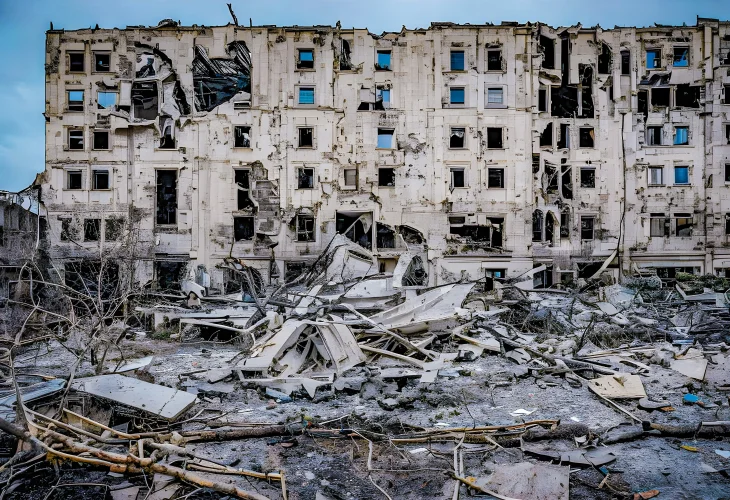 A destroyed building in Ukraine (credit: unsplash)
Cyberattacks have disrupted emergency warning systems in Ukraine and Russia as the United States continues its diplomatic efforts to bring an end to the war between the two countries.
Ukrainian authorities announced Sunday that hostile actors had breached a system used to warn the public about missile attacks and other security threats. The attackers distributed false alerts to residents of Kyiv, warning of a chemical attack, radiation exposure, and fighting in the streets of the capital. Ukrainian officials blamed Moscow for the incident.
Russia also reported a breach of its emergency alert system, through which false warnings about nuclear attacks were distributed. Russia's Ministry of Emergency Situations stated that the country's public warning system remained operational and emphasized that its emergency mobile application serves only as a supplementary communication channel.
According to the BBC, the incidents were reported around the end of a temporary ceasefire in Oleshky, in Ukraine's Kherson region. The truce had allowed civilians to be evacuated through mediation involving Melania Trump and Pope Leo XIV.
Trump Administration Explores Russian Gas Deal as Part of Peace Negotiations
Meanwhile, The Wall Street Journal reported that the Trump administration is exploring a proposal to resume Russian natural gas supplies to Europe through Ukraine as part of broader efforts to secure a ceasefire. According to the report, President Donald Trump's envoys, Jared Kushner and Steve Witkoff, presented the proposal during visits to Moscow and Kyiv in September.
Under the proposed arrangement, an American intermediary would purchase natural gas from Russia and resell it in Europe through a mechanism designed to bypass existing sanctions. Revenue from the sales would be deposited into an escrow account in a third country to prevent the funds from being used to finance the war.
The initiative has encountered opposition in Europe, where governments have been working to reduce their dependence on Russian energy supplies. Neither Russia nor Ukraine has agreed to an energy-related ceasefire.
US Delays Russian Sanctions Amid Diplomatic Efforts
Last month, President Trump signed an executive order delaying sanctions against Russia, arguing that the decision served American national interests.
The relevant legislation allows tariffs of up to 100% on the five largest purchasers of Russian oil and natural gas, including China and India. It also provides for sanctions targeting Russian President Vladimir Putin, senior government officials, financial institutions, and the fleet of tankers used to circumvent existing restrictions.
The developments come as Washington continues to explore diplomatic and economic measures aimed at ending the conflict, while cyberattacks and ongoing security concerns underscore the challenges facing efforts to achieve a lasting ceasefire.

