

World News
Trump Confirms US Strikes on Iran as Tehran Rejects Ceasefire Deal
Trump confirmed US strikes on Iranian military systems on Qeshm Island, as Tehran rejected a Qatari proposal to halt the fighting and reopen the Strait of Hormuz.
- Shlomi Diaz
- | Updated
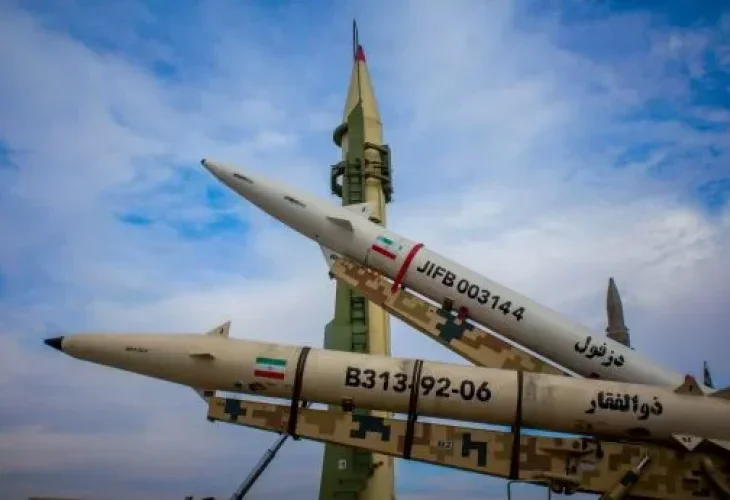
US President Donald Trump confirmed Tuesday evening that American forces carried out strikes on an Iranian air defense system and a missile launch system on Qeshm Island, as diplomatic efforts to end the conflict remained deadlocked.
Speaking to reporters, Trump said the US military had closely monitored the construction of the Iranian air defense installation before launching the attack Monday night.
“We followed the construction of their air defense system the entire way, and the moment the building was completed — we struck it,” Trump said.
The confirmation came amid reports that Iran had rejected a Qatari proposal aimed at halting the fighting between Washington and Tehran.
According to Iran's Tasnim news agency, the proposal called for reopening the Strait of Hormuz, a critical shipping route for global oil supplies, in exchange for the release of some Iranian funds currently frozen in banks in Qatar.
Iranian officials reportedly rejected the arrangement, insisting that Washington must first meet a broader set of demands before negotiations can move forward.
Mohsen Rezaei, secretary of Iran's Supreme National Security Council, said the American response had failed to adequately address Tehran's position.
“The US response regarding Iran's rights and demands was not convincing. The US must provide a full and explicit answer to the seven conditions,” he said.
Iran's seven conditions include a complete halt to the war and an end to hostilities across the region, including in Gaza, Lebanon, Yemen, and Iraq.
Tehran is also demanding the release of billions of dollars in Iranian funds and assets frozen in foreign banks, an end to the US naval blockade of Iranian ports, and the removal of American sanctions on Iranian oil sales and exports.
The remaining economic demands include significant relief from additional sanctions affecting Iran's economy.
Under the proposed terms, Iran would reopen the Strait of Hormuz within seven days, but only after its preceding conditions had been met. Comprehensive negotiations over Iran's nuclear program would begin only after the seven-day implementation period had been completed.
Senior Iranian officials indicated that indirect contacts with Washington, conducted through regional mediators, remain stalled. Tehran continues to insist that its demands be fulfilled before further diplomatic progress can be made.
Meanwhile, Iranian military officials issued renewed warnings against additional American strikes.
Iranian army spokesman Mohammad Akrami Nia warned that “any further American aggression will be met with an immediate response, sharper and broader than in the past.”
He added that in the event of renewed war, military operations would not necessarily remain confined to the Middle East.
Despite Tehran's public rejection of the proposal, reports suggest that some senior Iranian political figures have been pushing for a diplomatic resolution.
Sources told the Saudi-owned Al-Arabiya network that Qatari representatives had traveled to Tehran solely to receive Iran's response to the proposal, rather than to conduct another round of negotiations.
According to the sources, Iranian officials prefer direct meetings with mediators for security reasons.
The report also indicated that political figures within Iran are pressing for de-escalation. President Masoud Pezeshkian, Parliament Speaker Mohammad Bagher Qalibaf, and Foreign Minister Abbas Araghchi reportedly recommended that Iranian military officials respond positively to Qatar's proposal.
However, the Saudi news channel Al-Hadath cited sources who warned that Iranian assessments increasingly point toward a return to war as the most likely scenario.
The developments highlight the widening gap between Washington and Tehran, as the US continues military operations against Iranian targets while diplomatic efforts struggle to produce an agreement on sanctions, regional hostilities, and the future of the Strait of Hormuz.

