

Side Dish Recipes
Why Is Your Rice Sticky? 5 Common Cooking Mistakes to Avoid
Discover five common mistakes that ruin its texture and learn simple cooking tips for perfectly fluffy, separate grains every time
- Shira Dabush
- | Updated
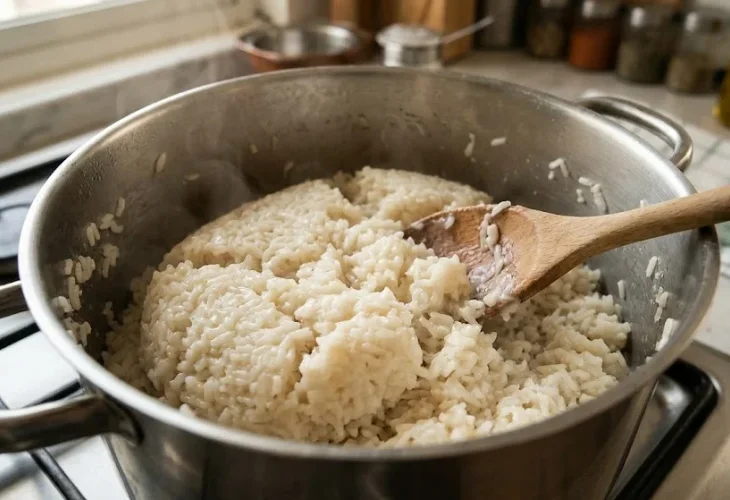
When cooking rice, we generally expect perfectly fluffy, separate grains. Occasionally however, we discover a sticky mass that could practically be lifted out of the pot in one piece. What causes this to happen?
While the amount of water is important, it isn't the only factor that determines how your rice turns out. The type of rice, whether you rinse it, and how you cook it all affect the final texture. Following are five common mistakes that can leave your rice sticky or mushy—and how to avoid them.
1. Cooking Every Type of Rice the Same Way
Two cups of water for every cup of rice is a familiar rule, but it doesn't work for every variety or cooking method. Basmati, jasmine, and brown rice all require different amounts of water and cooking times. Soaking rice before cooking can also affect how much water it needs, making the instructions on the package a good starting point.
If you prefer fluffy rice with distinct, separate grains, basmati is an excellent choice. Short-grain rice naturally contains more starch and tends to stick together, so don't expect it to produce the same texture.
2. Skipping the Rinse
When you're in a hurry, it's tempting to pour rice straight from the package into the pot. However, excess starch on the surface of the grains can contribute to a sticky texture during cooking.
For fluffier rice, rinse the grains several times under cold water until the water becomes less cloudy. Drain thoroughly before cooking to remove excess surface starch and help prevent the grains from clumping together.
3. Stirring the Rice Too Often
There's something tempting about lifting the lid and giving the rice another quick stir. But unlike many other dishes, rice doesn't benefit from constant attention. Stirring during cooking can break the grains and release additional starch, making the rice increasingly sticky.
Once you've added the water and seasonings, stir gently just once to distribute everything evenly. Then cover the pot and allow the rice to cook undisturbed.
4. Cooking Over High Heat and Frequently Lifting the Lid
For most absorption-method rice recipes, the best approach is to bring the water to a boil, reduce the heat to low, and cover the pot. Keeping the rice at a vigorous boil can cause the water to evaporate too quickly, resulting in uneven cooking.
Frequently lifting the lid creates another problem: Each time you open the pot, valuable steam escapes, disrupting the cooking process. A heavy-bottomed pot with a well-fitting lid helps maintain steady heat and moisture, giving the rice a better chance of cooking evenly.
5. Overcooking the Rice Just to Be Safe
The water has been absorbed, and the rice is already tender. Should you leave it on the stove for another few minutes, just to be sure? Not necessarily. Continuing to cook rice after it's ready can make the grains excessively soft or cause the bottom layer to burn.
Instead, turn off the heat and leave the pot covered for approximately ten minutes. This resting period allows the remaining moisture to distribute more evenly throughout the rice. Once the time is up, remove the lid and gently fluff the grains with a fork.
Perfectly fluffy rice doesn't require complicated techniques. By choosing the right water ratio, rinsing when appropriate, avoiding unnecessary stirring, maintaining gentle heat, and allowing the rice to rest, you can achieve tender, separate grains without the frustrating sticky texture.

