

Health and Nutrition
Kids in Greener Neighborhoods May Focus Better, Study Finds
A large US study involving nearly 12,000 children suggests that living near trees, parks, and green spaces is linked to improved concentration and attention, even after accounting for physical activity
- Yitzchak Eitan
- | Updated
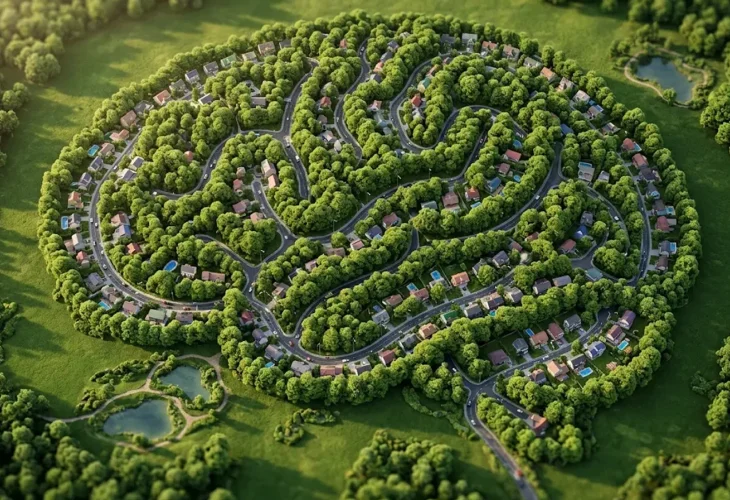
If you've ever noticed that playing with your children at a nearby park seems to benefit them more than spending hours in front of screens, there may be a scientific explanation. A large American study suggests that children's ability to concentrate may be associated with another important factor: the amount of greenery surrounding their homes.
The study, led by Dr. Karina Fowler of Washington University in St. Louis and published in a scientific journal focusing on environmental health, examined data from 11,868 children around the age of 10 across 21 locations in the United States. The participants were drawn from the country's largest long-term study of brain development in children and adolescents.
Researchers calculated the proportion of green space in each child's neighborhood, including areas covered by trees and parks, and compared these measurements with performance on cognitive tests. The assessments evaluated attention, self-control, cognitive flexibility, processing speed, reading ability, and vocabulary.
Greener Neighborhoods Linked to Better Attention
The findings revealed that children living in greener neighborhoods generally performed better on attention-related tests. Although the differences were relatively small, the researchers noted that approximately half of the children in the study lived in neighborhoods where green spaces covered less than 10% of the area. Consequently, even modest increases in neighborhood greenery could potentially benefit a substantial number of children.
One common explanation for the connection between green spaces and improved concentration is that children living near parks tend to engage in more physical activity, which can support cognitive development. However, physical activity did not explain the association observed in this study. Air pollution accounted for only a small portion of the relationship.
The researchers suggest that exposure to quieter, greener environments may offer children's developing brains an opportunity to rest and recover from the demands of everyday life.
Can More Green Space Improve Children's Concentration?
Despite the findings, the researchers emphasized that the study was observational and examined data collected at a single point in time. As a result, it cannot establish that trees or green spaces directly cause improvements in children's attention.
The study also included relatively few children from rural areas, potentially limiting how broadly the findings can be applied to the wider population.
Nevertheless, the researchers believe the results strengthen the growing evidence that neighborhood environments may play an important role in children's cognitive development. Their findings suggest that access to greenery near home could offer meaningful benefits for children's attention and overall development, highlighting the potential value of incorporating more parks, trees, and natural spaces into residential communities.
 Health and NutritionIs Organic Milk Healthier? Surprising Benefits of Omega-3 and Pasture-Raised Dairy
 Health and NutritionLove Eggs? A 15-Year Study Links Them to Lower Alzheimer’s Risk
 Health and NutritionCan a Healthy Diet Slow Aging? New Study Reveals Surprising Benefits
 Health and NutritionBoost Your Brain Naturally: 5 Proven Herbs for Focus and Mental Clarity

