

Kabbalah and Mysticism
The Hidden Meaning of Kislev: Dreams, Trust in Hashem, and Chanukah Light
Discover the spiritual significance of Kislev's symbols, and how the hidden light of Chanukah teaches us to find hope and renewal in darkness
- Yosef Yaavetz
- | Updated

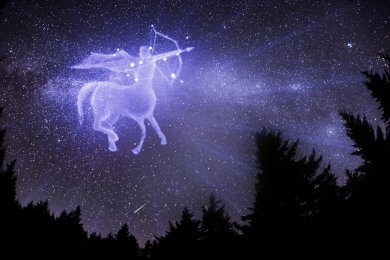
The Hebrew month of Kislev is associated with three seemingly unrelated symbols: the bow, the letter samech, and sleep. According to Sefer Yetzirah, these correspond to the month's zodiac sign, Hebrew letter, and human faculty. Chassidic teachings introduce another dimension: the hidden light of Creation, reflected in the candles of Chanukah.
Together, these symbols reveal a deeper message about trust in Hashem, the power of dreams, and the light that emerges from darkness.
Kislev and the Spiritual Meaning of Sleep
Sefer Yetzirah describes a correspondence between three dimensions of existence: olam (world), shanah (year), and nefesh (soul). The twelve zodiac signs, twelve Hebrew months, and human faculties are connected within this system. In its fifth chapter, according to the Vilna Gaon's version, the letter samech is associated with sleep, the bow, and the month of Kislev.
The connection between Kislev and sleep is particularly fitting during winter, when nights grow longer and people spend more time indoors. Yet sleep carries a meaning that extends beyond the changing seasons.
Throughout the day, we work, plan, and attempt to control our circumstances. At night, we relinquish that control, close our eyes, and entrust ourselves to Divine protection. This surrender is reflected in the verse, "Into Your hand I entrust my spirit" (Psalms 31:6).
The Book of Proverbs similarly connects peaceful sleep with trust in Hashem: "When you lie down, you will not be afraid; you will lie down, and your sleep will be sweet" (Proverbs 3:24). Two verses later, we read, "For Hashem will be your confidence, and He will guard your foot from being caught" (Proverbs 3:26). The Hebrew word for confidence, b'kislecha, also invites an association with Kislev, the month of long winter nights and restful sleep.
Dreams, Prophecy, and the Power of Renewal
Another connection between samech and sleep emerges through the number sixty. The Talmud teaches that a dream is one-sixtieth of prophecy, while sleep is one-sixtieth of death (Berachos 57b). The number sixty, represented by samech, thus reflects two contrasting aspects of sleep: its potential for spiritual revelation and its resemblance to the temporary withdrawal of life.
Interestingly, the Torah portions read around Kislev feature a remarkable series of dreams: Yaakov's dream of the ladder, Yosef's dreams, and those of Pharaoh's ministers. For Yaakov, sleep becomes the setting for a Divine revelation and a promise of protection. For Yosef, dreams foreshadow a future he cannot yet imagine. For Pharaoh's chief baker, however, a dream anticipates his death, reflecting the Talmudic association between sleep and mortality.
These accounts remind us that dreams can carry both promise and warning. They also offer a fitting message for Kislev, when the natural world slows down and the longer nights create space for reflection. Even when outward activity is limited, we can continue to imagine, plan, and prepare for what lies ahead.
The Rainbow: A Symbol of Divine Protection
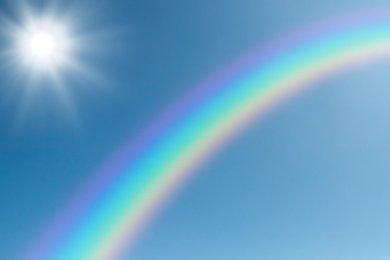
Another symbol of Kislev is the bow, which can also be understood through the imagery of the rainbow. The Hebrew word yoreh, associated with the season's early rains, evokes the image of arrows descending toward the earth. Against this imagery, the rainbow resembles a bow that has been set aside, signaling the end of destructive forces.
The Ramban, commenting on Genesis 9:12, explains that the rainbow's orientation resembles a bow turned away in a gesture of peace, much like warriors reversing their bows to indicate that they no longer intend to fight. Following the Flood, the rainbow became the sign of Hashem's covenant with the world, promising that the earth would never again be destroyed by a universal flood.
This symbolism reinforces Kislev's theme of trust. Even as the world lies beneath heavy clouds, rain, or snow, we rely on Hashem's promise that the natural cycles will continue: "Seedtime and harvest, cold and heat, summer and winter, day and night shall not cease" (Genesis 8:22).
Just as we close our eyes at night trusting that we will awaken, the world enters winter sustained by the promise of continued life and renewal.
Chanukah and the Hidden Light of Creation
Toward the end of Kislev, another symbol emerges: the Chanukah candle.
Rabbi Tzvi Elimelech of Dinov, author of Bnei Yissaschar, explores the connection between Kislev and the or haganuz, the hidden light of Creation. Drawing on Kabbalistic teachings, he explains that the Chanukah candles reveal a reflection of the original light created by Hashem, which was subsequently concealed within the Torah.
He offers a symbolic interpretation of the name Kislev, dividing it into kas and lo. The Hebrew letters of lo have a numerical value of thirty-six, corresponding to the total number of Chanukah candles lit over eight nights, excluding the shamash candles. Although the original light remains hidden, a spark of its radiance is revealed through these thirty-six flames.
This light is closely connected to the struggle to preserve Torah. The Greeks sought to cause the Jewish people to forget their Torah, while the miracle of Chanukah demonstrated its enduring power. The Menorah became a symbol of the Torah's ability to illuminate Jewish life throughout the generations.
In his second discourse, section 13, the Bnei Yissaschar connects this idea to Beis Hillel's ruling that an additional candle should be lit each night. The increasing light represents the expansion of Torah understanding: the more a person studies, the greater the spiritual illumination he can attain.
In his third discourse, he explains that this hidden light continues to strengthen the Jewish people even after the cessation of prophecy. Chanukah celebrates the power of the Oral Torah and the enactments of the Sages, through which the concealed light of Torah continues to shine each year.
Finding Light in the Darkness
The symbols of Kislev—sleep, the bow, and the Chanukah candle—express different aspects of a shared spiritual message. Sleep teaches us to trust Hashem when we surrender control. The rainbow reminds us that Divine protection continues even when the world appears threatening. And the Chanukah candles reveal that spiritual light can emerge precisely when darkness seems most powerful.
Kislev invites us to recognize that stillness can lead to renewal, dreams can become the foundation for meaningful action, and even a small flame can reveal a light far greater than itself.
 Kabbalah and MysticismThe Hidden Meaning of Cheshvan: From Darkness to Renewal and Redemption
 Kabbalah and MysticismAv in Kabbalah and Astrology: The Jewish Month of Hidden Good
 Kabbalah and MysticismSagittarius in Jewish Wisdom: The Fire of Freedom and Faith in the Month of Kislev
 Kabbalah and MysticismThe Miracles of Kislev: The Deeper Meaning of Chanukah and the Eternal Light of Redemption

