

Health and Nutrition
Energy Drinks Linked to Heart Attacks and Cardiac Arrest in New Study
New research presented at the American Heart Association reveals significantly higher rates of reported heart problems associated with energy drinks and stimulant supplements, particularly among young adults
- Yitzchak Eitan
- | Updated
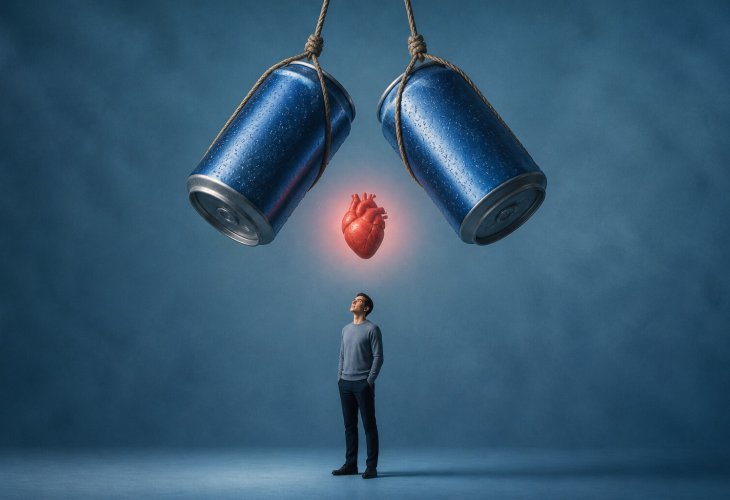
An energy drink to wake up in the morning, another before an exam or a night shift, and perhaps one more before an evening workout. For many young adults, energy drinks have become a routine way to boost alertness and combat fatigue. However, new research presented at the American Heart Association's annual scientific conference raises concerns about the potential cardiovascular risks associated with these popular beverages.
Researchers from the University of Virginia School of Medicine analyzed approximately 28,000 adverse event reports voluntarily submitted to the US Food and Drug Administration (FDA) between 2017 and 2025. The reports involved individuals aged 13 and older who experienced suspected side effects associated with foods and dietary supplements. Of these reports, 854 involved energy drinks or stimulant-containing supplements, while the remainder concerned products such as soft drinks, nutritional shakes, vitamins, and protein bars, which served as a comparison group.
Higher Rates of Reported Cardiovascular Problems
The findings revealed striking differences in the frequency of reported heart-related complications. Among reports involving caffeine-containing and stimulant products, cardiac arrest was reported approximately 11 times as frequently, while heart attacks were reported 4.5 times as frequently compared with other products. Heart rhythm disturbances and palpitations were reported about four times as frequently, rapid heart rate nearly three times as frequently, and chest pain and fainting approximately twice as frequently.
The pattern was similar among men and women. Notably, around 45% of the reported cardiovascular events associated with these products involved young adults between the ages of 18 and 34. Researchers have yet to determine why this age group accounted for such a substantial proportion of the reports.
The researchers cautioned that these findings reflect differences in voluntary adverse event reports, not proven increases in the risk of developing heart problems. Because the database does not track everyone who consumes these products, it cannot establish causation or determine the actual risk to consumers.
Nevertheless, the high stimulant content of certain products remains a concern. Some energy drinks contain up to three times as much caffeine as a typical cup of coffee, while certain pre-workout powders may contain more than 12 times that amount. In the United States, energy drinks and stimulant supplements are generally regulated as foods or dietary supplements rather than medications, meaning they are not subject to the same premarket safety testing requirements as prescription drugs.
How to Reduce Potential Health Risks
The findings highlight the importance of monitoring caffeine consumption, particularly among young adults who regularly rely on energy drinks to stay alert or enhance workout performance. Consumers should check product labels for caffeine content and account for other sources, including coffee and tea. Combining multiple energy drinks or stimulant supplements in a single day can substantially increase total caffeine intake and is best avoided.
Reducing consumption is another sensible precaution. Rather than relying on energy drinks throughout the day, consumers should consider limiting their intake and choosing lower-caffeine alternatives whenever possible.
Anyone who experiences heart palpitations, chest discomfort, dizziness, or other concerning symptoms after consuming an energy drink should seek medical advice and inform their healthcare provider which product they consumed. Chest pain, fainting, or severe symptoms warrant urgent medical evaluation.
While the study does not establish a direct causal link, its findings raise important questions about the cardiovascular safety of highly caffeinated products, particularly when consumed frequently or in large quantities.
 Health and NutritionThe Morning Habit That Could Be Putting Your Heart at Risk
 Health and NutritionDoes Fluoride Harm the Brain? Scientists Have a New Answer
 Health and NutritionThe Common Breakfast Mistakes Experts Want You to Avoid
 Health and NutritionWhen Should You Stop Drinking Coffee? The Surprising Rule That Could Improve Your Sleep

