

Health and Nutrition
Can You Get All Your Vitamins and Minerals From Food Without Supplements?
Discover five nutrient-rich foods that provide essential vitamins and minerals, and learn when a balanced diet is enough and when nutritional supplements may be necessary
- Zohara Sharvit
- | Updated
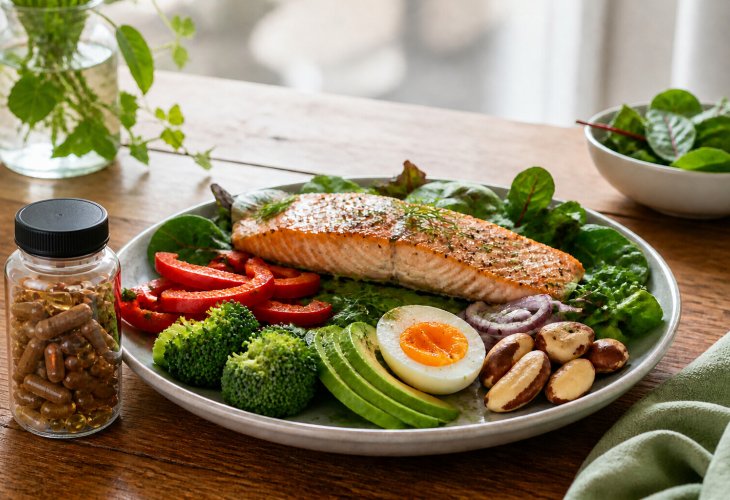
Can a varied, balanced diet provide all the nutrients our bodies need, or are nutritional supplements essential?
If blood tests reveal nutritional deficiencies or a person has difficulty absorbing certain nutrients, supplements may be necessary to correct the deficiency. Once nutrient levels have been restored, it may be possible to maintain them through a balanced diet, depending on the underlying cause.
For individuals without diagnosed deficiencies, the focus should generally be on obtaining essential vitamins and minerals from nutritious, whole foods.
Some foods are particularly nutrient-dense, meaning they provide substantial amounts of important nutrients in relatively small servings. One of the advantages of obtaining vitamins and minerals from food is that they come alongside other beneficial compounds, including healthy fats, fiber, and antioxidants. These components can work together and, in some cases, improve nutrient absorption.
Five Nutrient-Rich Foods Worth Including in Your Diet
Brazil Nuts: A Rich Source of Selenium
Brazil nuts are exceptionally rich in selenium, an essential mineral that works alongside vitamin E to support the body's antioxidant defenses. Selenium also plays an important role in thyroid function, fertility, and immune health. Because Brazil nuts contain such high concentrations of selenium, even one or two can provide a substantial amount. However, selenium levels vary, and excessive intake can be harmful, making moderation essential.
Salmon and Sardines: Omega-3 Fatty Acids and Vitamin D
Fatty fish such as salmon and sardines provide valuable amounts of omega-3 fatty acids and vitamin D. A 100-gram serving of certain fatty fish can contain approximately two grams of omega-3s, although the exact amount varies by species. These essential fatty acids play important roles in brain function and the regulation of inflammatory processes, while vitamin D supports bone health and normal immune function.
Naturally Fermented Vegetables: Supporting Gut Health
Homemade, unpasteurized sauerkraut and other naturally fermented vegetables can contain beneficial live microorganisms that support digestive health. Research has highlighted important connections between the gut microbiome, immune function, and the brain, commonly referred to as the gut-brain axis. These relationships may also influence mood and stress responses, although the effects of individual fermented foods are still being investigated.
Red Bell Peppers: An Excellent Source of Vitamin C
Red bell peppers are particularly rich in vitamin C, an antioxidant essential for collagen production and the absorption of iron from plant-based foods. While many fruits and vegetables contain vitamin C, red peppers provide especially generous amounts. Eating them as part of a varied diet also supplies additional antioxidants and dietary fiber that contribute to overall health.
Egg Yolks: A Valuable Source of Choline
Egg yolks contain choline, an essential nutrient involved in brain function, liver health, and nervous system development. Choline is particularly important during pregnancy because it supports normal fetal brain development. Including eggs in a balanced diet can help provide this important nutrient alongside other vitamins and minerals.
Food First, Supplements When Necessary
The goal should not be to choose between nutritious food and supplements, but to understand the role each plays in maintaining good health. For most healthy people, a varied, nutrient-rich diet should be the foundation of good nutrition. Supplements can be useful when deficiencies are identified, nutrient absorption is impaired, or individual circumstances create increased nutritional needs.
The most sensible approach is to prioritize whole foods and use supplements when there is a clear medical or nutritional reason to do so.
 Health and NutritionVegetarian and Vegan Diets: The 10 Essential Nutrients You Can't Afford to Miss
 Health and NutritionDoctors Warn: Curcumin Supplements May Not Be Safe for Everyone
 Health and NutritionAre You Taking Too Many Vitamins? The Hidden Dangers of Over-Supplementation
 Health and NutritionThe Two Essential Minerals You May Be Missing

