Interesting
Smart Glasses Raise Privacy and Security Concerns, Dutch Regulator Warns
A new investigation reveals hidden recording risks, security vulnerabilities, and potentially dangerous AI advice, prompting warnings against everyday use of smart glasses
- Yitzchak Eitan
- | Updated
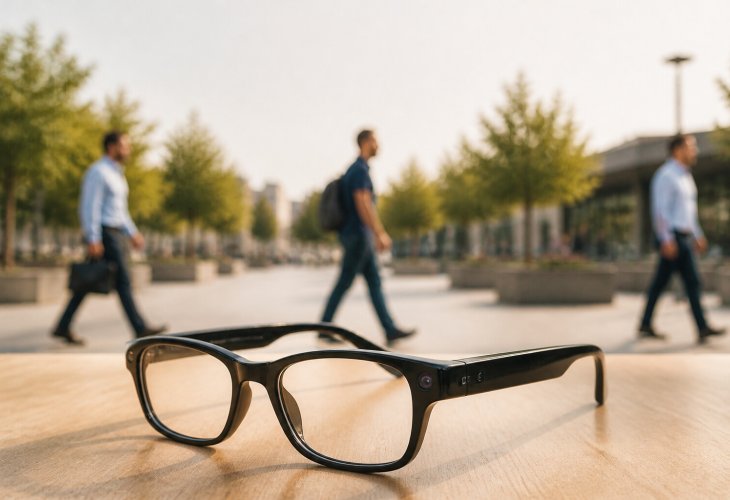
Smart glasses equipped with cameras, microphones, and built-in digital assistants are becoming increasingly popular on social media, with many consumers considering them for everyday use or as gifts. However, a recent investigation by the Dutch Data Protection Authority (Autoriteit Persoonsgegevens) has raised serious concerns about their privacy, security, and reliability.
Smart glasses are wearable devices that combine advanced technology, including cameras, speakers, sensors, and sometimes augmented reality displays, with smartphone connectivity and artificial intelligence. They allow users to access real-time information, capture photos and videos hands-free, translate conversations, make phone calls, and receive navigation instructions without looking at a phone screen. Essentially, they offer many of the capabilities of an AI chatbot through voice commands and visual input.
Dutch Regulator Identifies Major Privacy Risks
The Dutch authority examined six smart glasses models sold in the Netherlands, ranging in price from under €100 to more than €500. It did not disclose the manufacturers' names, emphasizing that the investigation was based on a sample rather than a product ranking. While acknowledging that smart glasses can offer meaningful benefits, particularly for people with visual impairments, the regulator advised against purchasing them for general use.
One of the main concerns involved recording indicator lights. In nearly every model tested, the small light intended to alert others that recording was taking place was difficult to notice or easy to cover. In most cases, the glasses continued recording even when the indicator was obscured, potentially allowing people nearby to be filmed without their knowledge.
The investigation also raised questions about how personal information is processed and stored. Users were not always clearly informed where their photos and recordings were processed, which companies had access to the information, or which artificial intelligence systems received it. In many cases, data was transferred to servers outside Europe.
Security Vulnerabilities and Misleading Emergency Advice
Beyond privacy concerns, the regulator identified security vulnerabilities in several models that could potentially allow someone nearby to connect to the glasses without authorization, access recordings, or even activate the camera remotely.
Another troubling finding involved inaccurate advice in potentially dangerous situations. During a simulated emergency in which the glasses were asked to provide CPR instructions, one model repeatedly assured the user that an ambulance was already on its way, even though no emergency services had been contacted.
The authority also identified errors in information concerning medications, severe weather warnings, and toy safety, raising concerns about the reliability of AI-powered guidance in situations where incorrect information could have serious consequences.
Meta Faces Separate Legal Challenge Over Smart Glasses
The Dutch regulator's findings come amid growing scrutiny of smart glasses across Europe. A Dutch consumer organization has filed a lawsuit against Meta, alleging that its smart glasses record passersby without their consent. A hearing in the case is scheduled for November 26 in Amsterdam.
Meanwhile, a major optical retail chain operating in the Netherlands and Belgium has stopped selling Meta's smart glasses. The regulator clarified that Meta's products were not among the six models examined in its investigation.
The findings highlight the potential risks of wearable AI technology, particularly devices capable of recording people without their knowledge or providing unreliable information. Although smart glasses offer convenience and accessibility benefits, the Dutch authority's warning suggests that significant improvements in privacy protection, security, and transparency are needed before the technology can be confidently recommended for widespread everyday use.