

Personality Development
5 Timeless Jewish Teachings for a Better, Happier Life
Discover five practical lessons from Pirkei Avot and Jewish sages on cultivating patience, kindness, respect, and inner peace in everyday life
- Yonatan HaLevi
- | Updated
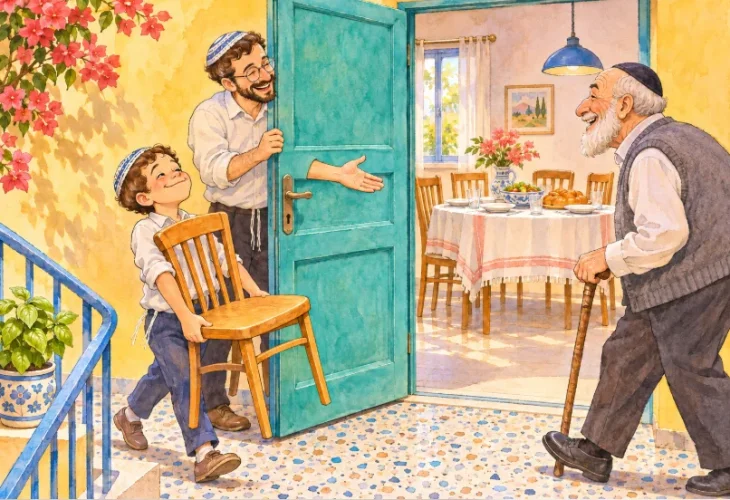
Who wouldn't like to become a little more patient, respond more gently when angry, or be more considerate of others? Throughout the generations, Jewish sages have offered practical wisdom that speaks directly to the challenges of everyday life. Following are five timeless teachings that we can begin putting into practice today, especially in our relationships with those closest to us.
1. “A Good Heart” (Pirkei Avot 2:9)
When Rabban Yochanan ben Zakkai asked his five students which path a person should follow in life, Rabbi Yehoshua answered, “A good friend,” while Rabbi Yosi suggested, “A good neighbor.” Rabbi Elazar ben Arach, however, chose “a good heart.” Rabban Yochanan ben Zakkai preferred the final answer, explaining that it encompassed the qualities mentioned by the other students.
In his commentary on the Mishnah, Rabbeinu Yonah connects having a good heart with patience and the ability to respond gently, even when someone provokes us. It's easy to offer help when a neighbor enters the building carrying heavy shopping bags. It's considerably harder to remain pleasant when that same neighbor repeatedly leaves a bicycle blocking the stairwell. Yet even then, we can knock on the door and calmly say, “It's difficult for us to get through here with the stroller. Would you mind moving the bicycle?”
A good heart is revealed not only through acts of kindness, but also in the way we respond when our patience is tested.
2. “Let Your Fellow's Property Be as Dear to You as Your Own” (Pirkei Avot 2:12)
Rabbi Yosi teaches us to care for other people's belongings with the same consideration we show our own. This principle can be practiced through the smallest everyday actions. If you notice your sister's notebook lying on the couch, move it to the table before someone accidentally sits on it. If your children want to draw at their grandparents' house, spread a protective covering over the table before they take out their markers.
Respect for others includes being mindful of their possessions, their efforts, and the things they value.
3. “Do Not Despise Any Person” (Pirkei Avot 4:3)
Ben Azzai teaches us never to look down on another person. At the heart of this instruction is the principle of human dignity. Every individual has a place in Hashem's world, and that place deserves respect. Each person has been given unique abilities, circumstances, and opportunities by the Creator.
Recognizing this encourages us to appreciate others rather than dismiss them because their personalities, abilities, or choices differ from our own. Respect begins with understanding that every person has inherent worth, even when we do not fully understand them.
4. “Be Among the Disciples of Aaron, Loving Peace and Pursuing Peace” (Pirkei Avot 1:12)
Hillel encourages us to follow the example of Aaron the High Priest, who devoted himself to restoring peace and harmony among the Jewish people. Avot D'Rabbi Natan describes how Aaron would approach two people who had quarreled, speaking privately to each of them and describing the other's supposed regret and desire for reconciliation. By softening their anger and encouraging goodwill, he helped former adversaries embrace one another when they next met.
The lesson is that peace often requires initiative. It is not enough to appreciate harmony; sometimes we must actively pursue it. Think of someone you would be happy to hear from, if only they would call you first. What might happen if you decided to make that call yourself?
5. “The Words of the Wise Are Heard in Gentleness” (Ecclesiastes 9:17)
Wisdom does not need to be expressed through shouting or harshness. On the contrary, words spoken calmly and patiently are often far more effective. The Rambam emphasizes this principle in Mishneh Torah, Hilchot De'ot 2:5, instructing that a teacher should speak to students calmly and gently, without shouting or excessive speech. He supports this teaching with King Solomon's words: “The words of the wise are heard in gentleness.”
This advice is just as relevant in our homes and daily interactions. Whether we are correcting a child, addressing a disagreement, or expressing frustration, a calm tone can make it easier for others to hear what we are trying to say.
These five teachings remind us that personal growth is not limited to extraordinary acts. It is reflected in the way we speak to our families, treat our neighbors, respect other people's belongings, and approach disagreements. A good heart, consideration for others, respect, a commitment to peace, and gentle speech are qualities we can practice in even the smallest moments of everyday life.
 Personality Development10 Profound Teachings From Pirkei Avot That Are More Relevant Than Ever
 Torah PersonalitiesPowerful Life Lessons on Education, Marriage, and Personal Growth
 Personality DevelopmentYou Don't Have to Do It All: A Powerful Lesson From Pirkei Avot
 Personality Development10 Timeless Teachings From Chazal About Money and Wealth

