

Health and Nutrition
Does Dry Shampoo Really Work? Benefits, Risks, and How to Use It
Discover how dry shampoo absorbs excess oil, refreshes greasy hair, and adds volume, plus dermatologist recommendations on how often to use it and when to wash your hair
- Tehila Cohen
- | Updated
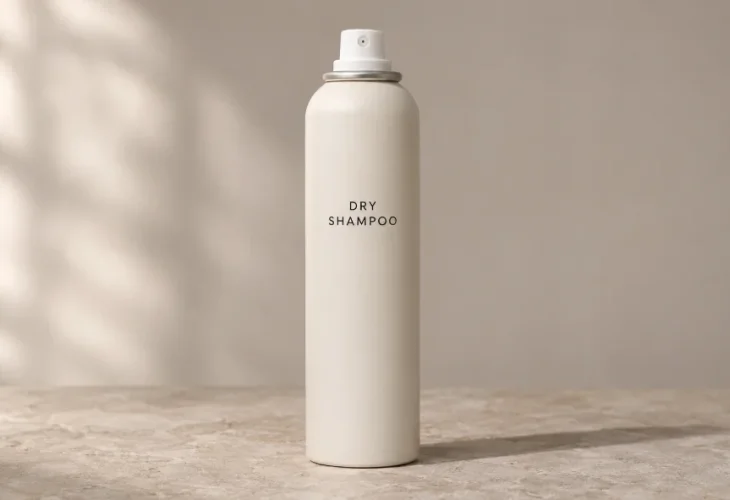
If you struggle with oily hair and avoid washing it every day because you're concerned that frequent shampooing might make the problem worse, dry shampoo may seem like the perfect solution.
Designed for days when you don't wash your hair, dry shampoo absorbs excess oil and leaves your hair looking fresher. With just a few sprays, it can reduce greasiness at the roots and even add volume. How does it actually work, and how often should you use it?
How Does Dry Shampoo Work?
Most dry shampoos contain oil-absorbing ingredients, such as starch. When applied to the roots, these ingredients absorb some of the excess oil coating the hair, reducing its greasy appearance. Certain formulas also add volume, making hair appear fuller and less flat against the scalp.
Brushing afterward can remove some of the powder and absorbed oil. However, unlike regular shampoo and water, dry shampoo does not thoroughly remove dead skin cells, excess oil, or styling product residue from the scalp. Its primary benefit is improving the appearance of hair between washes.
When Can Dry Shampoo Become a Problem?
If your hair looks grayish, feels stiff, or develops a noticeable powdery residue after using dry shampoo, you may have applied too much product in one area. This is especially noticeable on dark hair, where powder can accumulate along the part.
For better results, divide your hair into sections and lightly spray the product onto dry roots, focusing on oily areas. Follow the recommended spraying distance and waiting time on the packaging before distributing the product evenly. If necessary, apply a little more rather than using too much at once.
How Often Should You Use Dry Shampoo?
Dermatologists affiliated with the American Academy of Dermatology recommend washing your hair with regular shampoo and water after one or two uses of dry shampoo to prevent product buildup.
Repeated use without washing can contribute to scalp irritation. If you experience itching, burning, or discomfort after applying dry shampoo, discontinue use.
Is Dry Shampoo Effective?
Dry shampoo is an effective temporary solution for greasy roots, helping hair look fresher and fuller between washes. However, it is not a substitute for regular shampooing.
The bottom line: Use dry shampoo for a quick refresh, but rely on regular washing to keep your scalp clean and free of buildup.
 Health and NutritionWhy Does My Hair Get Oily So Fast? Common Causes and How to Fix Them
 Health and NutritionHomemade Hair Masks: Common Mistakes That Can Damage Your Hair
 Health and NutritionApple Cider Vinegar for Dandruff: Does It Actually Work?
 Health and NutritionWhy is Your Head Itchy Without Lice? Here's What You Can Do

