

Health and Nutrition
Why Does My Hair Get Oily So Fast? Common Causes and How to Fix Them
Discover why your hair becomes oily just hours after washing, how heat, humidity, and daily habits affect your scalp, and the best tips for keeping your hair fresh, clean, and full of volume longer
- Tehila Cohen
- | Updated
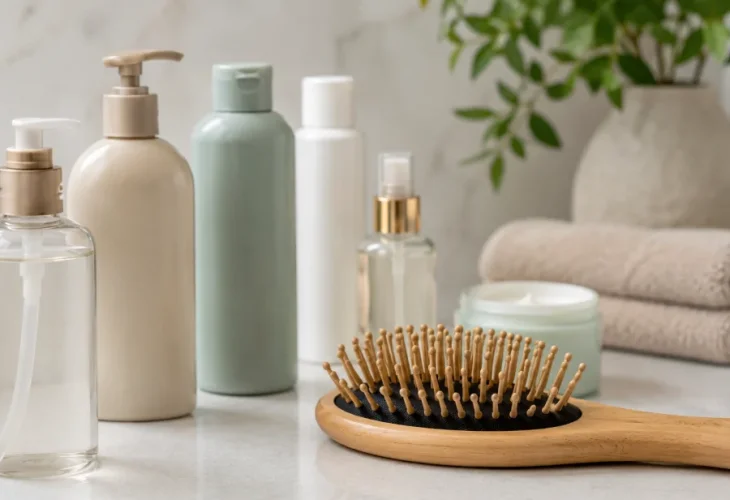
There are times when, no matter how often you wash your hair, it simply doesn't feel clean for very long. In the morning, it may look fresh and well styled, but just a few hours later it begins to feel oily. The roots stick to the scalp, and the hair loses its volume and shine.
This problem is especially common during the summer, and there are several reasons why.
Heat and Humidity Increase Oil Production
When temperatures rise, the scalp produces more sweat. At the same time, the sebaceous glands in the scalp begin producing more natural oil. This oil is important because it helps protect both the scalp and the hair. However, when it accumulates too quickly, the hair can start to look greasy, heavy, and flat.
On hot, humid days, hair absorbs more moisture from the environment. This can cause it to lose its light, airy appearance and become flatter and oilier much faster than usual.
Washing Too Often Can Backfire
Many women respond to oily hair by washing it more frequently.
At first glance, this seems logical. If the hair is greasy, wash it more often. However, excessive washing or using harsh shampoos can sometimes have the opposite effect.
When the scalp feels stripped of its natural oils, it may respond by producing even more oil to compensate. This can create a cycle in which the scalp becomes increasingly oily despite frequent washing.
Constantly Touching Your Hair Makes a Difference
Many people do not realize how much touching their hair contributes to oiliness.
Throughout the day, your hands transfer oils, dirt, sweat, and residue from lotions or skincare products onto your hair. This can make the roots appear greasy much sooner.
Heavy Hair Products Can Make Things Worse
Some people apply too many oils, serums, or hair masks close to the scalp, especially during the summer.
While these products can be beneficial when used correctly, applying them near the roots may weigh the hair down and intensify the feeling of oiliness.
What Can You Do?
A few simple changes can help keep your hair feeling fresher for longer:
Use a shampoo that is appropriate for your scalp type.
Apply conditioner and hair masks only to the mid lengths and ends, not the roots.
Avoid touching your hair unnecessarily throughout the day.
Wash your hair with lukewarm rather than very hot water.
Clean your hairbrush regularly, since oils and dirt accumulate on the bristles over time.
Can Dry Shampoo Help?
Dry shampoo can be useful for reducing oiliness between washes and refreshing the appearance of the hair.
However, it should be used in moderation. Overuse can lead to product buildup on the scalp, which may cause irritation and leave the hair feeling less clean over time.
Summer heat, humidity, sweat, and daily habits can all contribute to oily hair. The solution is not always washing more often. Instead, choosing the right products, avoiding excessive scalp stimulation, and adjusting your hair care routine can help keep your hair looking fresher, lighter, and healthier throughout the warmer months.

