Raising Children
They Have Everything but Still Complain? 6 Ways to Raise Grateful Kids
As parents, we want to raise children who know how to say thank you — but in a culture built on nonstop consumption and entitlement, that can feel like an uphill battle. Here are six ways to nurture gratitude in your kids.
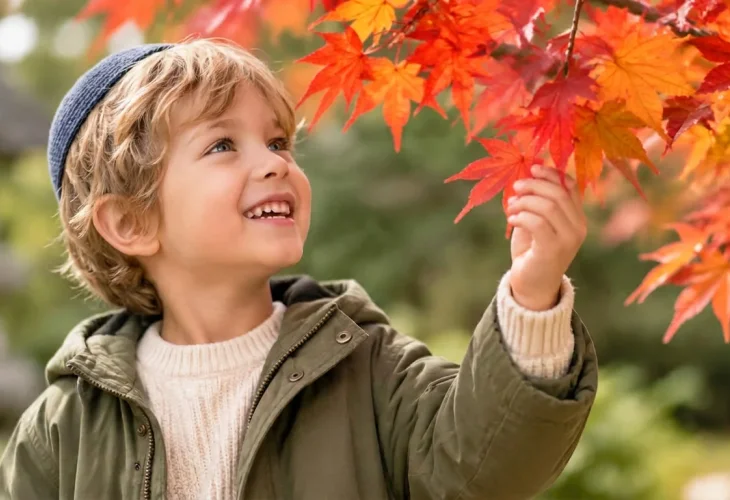
You know this scene: you planned, you invested, and you took the kids out for a fun day or a carefully planned family trip. They laughed and enjoyed every minute — but on the drive home they wouldn’t stop complaining that you didn’t stop for ice cream. You breathe deeply and try not to lose it, but deep down you feel that your children are simply ungrateful, that they don’t appreciate everything you do for them, or that they treat it all as a given.
One of the central goals of parenting is to raise children who know how to be grateful — first and foremost to the Creator of the world, but also to their parents and to the people around them. Beyond the value of gratitude itself, raising grateful children increases the chances that they will be happier children (and adults). Many studies show that gratitude can predict a person’s level of happiness, even among the younger generation. Gratitude is a key component in children’s social-emotional development.
Still, in today’s Western society this goal is challenging. Consumerism and consumption are the dominant narrative in popular culture, in advertising, on websites, and in almost every medium children are exposed to. So what’s the answer?
In an article recently published by Dr. Amy Weber, the key is helping our children gain perspective on the world they live in, so they understand why they should be thankful.
A child’s ability to grasp the concept of gratitude develops with age and maturity. Here are a few ideas for things we, as parents, can do to nurture it:
1. Be a role model of gratitude. Setting a personal example of gratitude can be as simple as saying “thank you” to your child when he does something for you — but it can also go further. Gratitude can become a regular part of our lives when we say out loud (so our children can hear us) how grateful we are. We can thank the cashier at the supermarket for the kind service, grandparents who babysat, a child who waited patiently for his turn, or the Creator of the world for the pleasant weather outside.
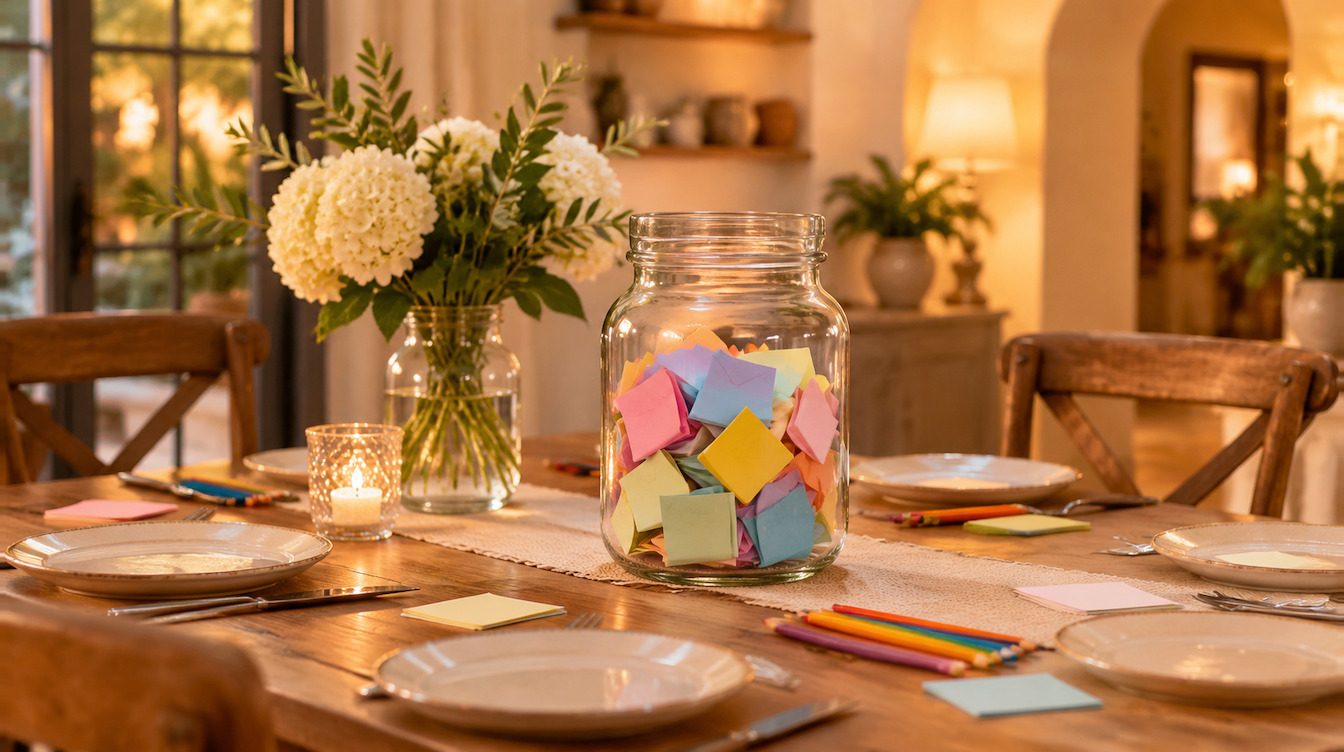 Gratitude jar
2. Talk about “needs” versus “wants.” Discussing the difference between needs and wants can open the eyes of older children (for young children under the age of 4, the difference can be harder to grasp). We can help our children distinguish between items they need in order to survive and items that are nice to have but not essential. Making this distinction clear helps them see how they can be grateful for all the extras they have in life.
3. Explain your choices. This idea fits together with the discussion about needs versus wants. For older children, it helps to talk about how you make needs-versus-wants decisions in your own life. For example, you can talk about choosing not to buy coffee every day because it’s expensive, and because it’s a want and not a need. Instead, you save that money in order to give tzedakah (charity) or to go on a family trip.
4. Repetition matters. Although none of us enjoys hearing our children say a meaningless “thank you” for gifts or treats, repetition does play a role in cultivating gratitude. Young children in particular learn a great deal through repetition and routine. To create a habit of thought, you sometimes have to create a habit of speech first. By repeatedly encouraging our children to say “thank you” or “please,” we reinforce a mindset of gratitude.
5. Talk about feelings. Open conversation with children about emotions (their own and other people’s) is essential to their development. Studies show that conversations about other people’s feelings develop empathy more quickly, and in the same way, talking about gratitude expands their emotional understanding.
6. Activities reinforce the message. Preschoolers learn best through play and activity. Gratitude can be strengthened through imaginative play and stuffed animals, craft kits, or making a “gratitude journal” together.
Family Activities for Growing Gratitude — By Age
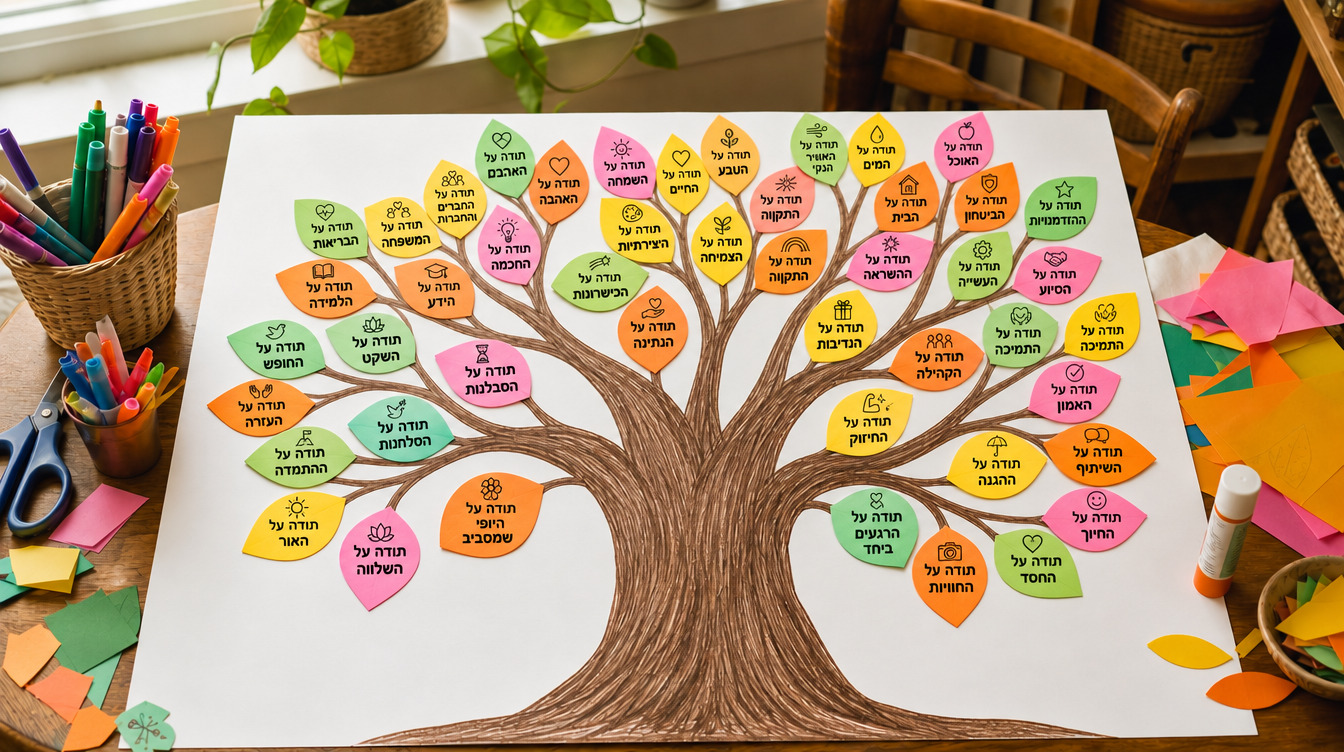
Make a “gratitude tree” (ages 3 and up) Cut leaves out of paper and draw a tree trunk and branches on a large poster board or on the wall. Each day, ask your child to write or draw one thing he is grateful for on a leaf and stick it onto the branches. Younger children can tell you their answer while you write it down. Before long you’ll have a full tree — and a record of the things that mattered to them.
The gratitude jar at dinner (ages 4 and up) Place slips of paper and a pen next to each plate and ask everyone to write down one thing they’re thankful for, then put the note in the jar. After the meal, take turns reading the notes out loud and guessing who wrote each one. It’s a simple way to hear what your children appreciate — and for them to hear what the adults are thankful for.
Play “rose, thorn, and bud” (ages 6 and up): Go around the table and ask everyone to share a “rose” (something good that happened), a “thorn” (something that was hard), and a “bud” (something they’re looking forward to). This makes gratitude more honest, since children don’t have to pretend that everything is perfect.
Add one act of giving (all ages): Choose together a way to give to others, such as donating food items, making greeting cards for a nursing home, or helping a neighbor. Afterward, ask the children, “How did it feel to help?” Connecting gratitude with giving helps children see that being grateful means caring about others, not just appreciating what they have.