 עברית
עברית

Why It’s Important to Maintain Balanced A1c Levels
A1c testing, also known as HbA1C, evaluates the average blood sugar levels over the past three months and assesses diabetes management. High A1c levels correlate with an increased risk of complications. What lifestyle changes and dietary adjustments can help avoid potential complications?
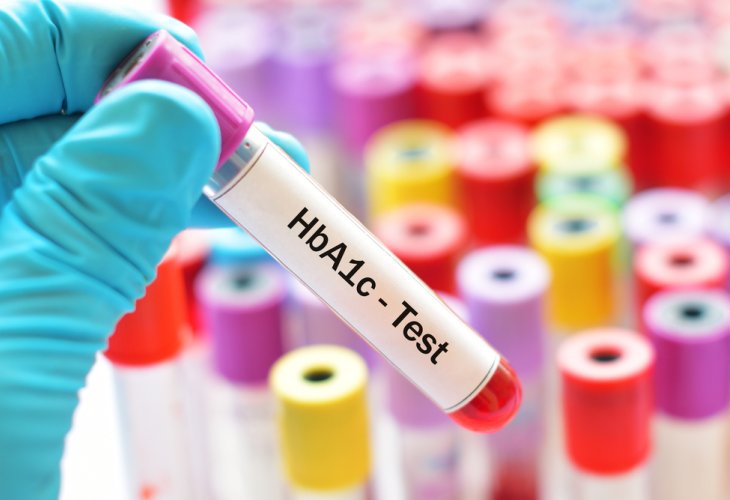 (Photo: Shutterstock)
The importance of balancing blood sugar levels is well known. One tool used to evaluate this balance is the A1c test.
What Are A1c Levels?
If someone’s A1c levels are too high, it suggests unusually high blood sugar levels over a prolonged period, leading to potential health complications.
Adopting a healthy lifestyle, including regular physical activity, personalized diet plans, medication, and monitoring, can help reduce blood sugar levels. This lowers the A1c level and decreases the likelihood of possible health problems, especially microvascular complications.
What Is the A1c Test?
The A1c test reflects an average of a person’s glucose levels over the previous 3 months. Blood glucose molecules bind to hemoglobin based on their blood concentration, and the glycated hemoglobin test shows the average percentage of hemoglobin bound to sugar in a blood sample. This test can be used to diagnose diabetes and to assess how well someone with diabetes is managing their condition.
When glucose enters the bloodstream, it binds to a red blood cell (RBC) protein called hemoglobin, which carries oxygen throughout the body. This compound is known as glycated hemoglobin.
Medical teams refer to the A1c test because about 95-98% of hemoglobin in the body is of type A1. Type A1 hemoglobin has subtypes, such as A1c, which is the most common and can be a good marker for glucose control.
How Is A1c Calculated?
The A1c test assesses the average blood glucose level over the past 3 months, measuring the percentage of glycated hemoglobin in the blood. The test reflects this period because red blood cells typically live about 3 months, representing the amount of sugar red blood cells have been exposed to in that time.
Increased blood glucose levels show more availability for binding to hemoglobin. A high percentage of glycated hemoglobin indicates high blood sugar levels for the past 3 months, suggesting inadequate management and monitoring.
Understanding A1c Levels
A1c test results are presented as percentages, with higher A1c levels indicating an increased risk of diabetes and its complications.
Doctors may also refer to average glucose when discussing A1c levels, with eAG matching A1c but presented as milligrams per deciliter (mg/dL), similar to blood sugar.
Both A1c and eAG results relate to the average glucose levels over 3 months. A simple calculator can help convert results from one measure to another.
Normal | 5.6% or less | 114 mg/dL or less |
Prediabetes | 5.7–6.4% | 117–137 mg/dL |
Diabetes | 6.5% or more | 140 mg/dL |
Someone with prediabetes has a good chance of altering their high sugar levels to prevent diabetes development by lowering A1c levels.
Optimal A1c recommendations vary by individual, depending on age, type of medication, diabetes type, propensity for hypoglycemia, existing diabetes complications, life expectancy, treatment response, and medical history.
Recommended target A1c values for:
- 5.6% or below 114 mg/dL for healthy, non-diabetic adults.
- 6.5% or 140 mg/dL for young diabetics on non-hypoglycemic medications, managed type 2 diabetes without cardiovascular diseases, and with a high estimated life expectancy.
- 7% or less, or 154 mg/dL or less for most diabetics (excluding gestational diabetes).
- 8% or less, or 183 mg/dL or less for those with long-standing or severe diabetes, limited life expectancy, extensive additional health complications, or poor response to treatment.
Why Lower A1c Levels?
Numerous studies show reducing A1c levels can slow diabetes progression and reduce the risk of complications such as nerve damage and cardiovascular diseases in both type 1 and type 2 diabetes.
When it comes to A1c target ranges, there isn't a one-size-fits-all solution. Numerous factors, including diabetes type and overall health, can affect A1c targets. It is essential to consult healthcare teams, dieticians, or personal nutritionists to get insights from the treating doctor.
The American Diabetes Association (ADA) indicates that most adults living with diabetes aim for an A1c below 7%. Various methods, such as exercise, diet, and medication, help manage blood glucose levels, consequently impacting A1c levels.
Lifestyle Tips
Exercise and lifestyle tips to help lower A1c levels include:
- Exercise: Current guidelines suggest adults engage in a minimum of 150 minutes of moderate exercise per week. Those using insulin or having other medical concerns should consult their doctor regarding exercise management.
- Routine Activities: Housework, gardening, and other routine activities promote movement.
- Blood Glucose Monitoring: Essential for meeting goals and making necessary changes, recommended through continuous glucose monitors, which provide constant data without finger pricks. Insulin-dependent individuals should engage in continuous monitoring or qualify through the health fund, while non-insulin users can intermittently use continuous sensors to learn about sugar patterns beyond what A1c checks reveal, otherwise monitored by home glucometers.
- Following Treatment Plans: Involves adhering to medication and lifestyle therapies.
- Weight Management: Diabetics are advised to work closely with dietitians and nutritionists to set realistic weight-loss goals. Some diabetes medications also aid weight loss.
- Progress Monitoring: Useful for self-motivation, recognizing changes, and identifying effective strategies for each individual.
- Support from Others: Lifestyle changes are often more manageable with encouragement and progress tracking by others.
- Proper Nutrition: A diet rich in vegetables, with a low glycemic index, including all essential nutrients, personalized to the individual.
Nutrition
Diet plays a critical role in managing blood sugar levels. Following a suitable eating plan helps maintain healthy blood sugar and A1c levels.
Creating meal plans can be a useful tool for managing blood sugar levels.
For those living with diabetes, some important dietary guidelines include:
- Consuming enough vegetables
- Ensuring enough protein intake
- Choosing foods with less added sugar
- Limiting trans fats
- Eating fewer processed foods
Summary
A1c levels represent blood glucose over 3 months. Doctors can use this measurement to monitor and diagnose diabetes. An A1c level of 6.5% or more indicates diabetes development. Maintaining healthy A1c levels can decrease the likelihood of complications. Managing blood sugar and A1c levels includes following a varied eating plan, regular physical activity, and adherence to a diabetes care plan.
Dr. Michael Weinfass is a diabetes doctor at the Maccabi Institute for Diabetes Peace in Tel Aviv and the Integrated Diabetes Clinic.

