Path of the Just – Chapter 4
People who act without the proper level of completeness will not reach the place they are meant to reach. Therefore, a person should always maintain a sense of fear—not to live with anxiety, fear, and...
9,343 results for "critically ill 17 year old first euthanized minor"No item has every word, so these match some of them.
People who act without the proper level of completeness will not reach the place they are meant to reach. Therefore, a person should always maintain a sense of fear—not to live with anxiety, fear, and...
In Orchot Tzaddikim, memory is not only about mental capacity. it is about conscious awareness. To “remember” means to keep certain truths alive in your mind and heart so they shape your daily actions...
Achievement, in this sense, is not measured in wealth or honor, but in spiritual progress: fulfilling mitzvot, refining one’s character, and drawing closer to the Creator. Constant remembrance inspire...
The author emphasizes that remembering is the key to true achievement. One who constantly remembers God, His mitzvot, and the lessons of Torah will be guided to live with purpose. Forgetfulness leads...
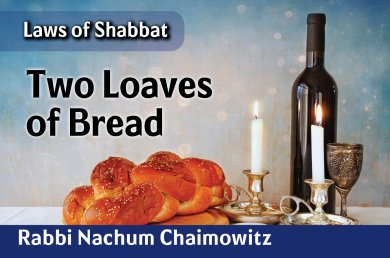
On Shabbat we place and bless over two whole loaves of bread (challah), called “Lechem Mishneh” (literally, “double bread”). why?
Rabbi Reuven Lauffer explores the depth of the Lecha Dodi prayer, showing how it welcomes the Shabbat as a bride and symbolizes the Jewish people’s yearning for unity with G-d.
What is the place of a woman in Judaism? Can she fulfill herself and her aspirations, and how can her wisdom be expressed in her own home? Rabbi Zamir Cohen presents a fascinating discussion on the su...
What is the true place of a woman in Judaism? Is she commanded to be only in the kitchen, or can she go out and fulfill herself and her aspirations? Rabbi Zamir Cohen presents a fascinating discussion...
Is there a difference between a Jew and a Gentile, and if so, is it a significant one? Rabbi Zamir Cohen explains why a Jew and a Gentile will never be the same.
People today have a hard time understanding why we mourn on Tisha B'Av and why we mourn something that happened thousands of years ago. What do we say to those people?