

Rice Cakes vs Bread: Which Is Better for You?
Are rice cakes really better than bread? Dr. Maya Rosman explains why they can mislead you on weight loss, and why buckwheat cakes or bread can be better.
- Yitzhak Eitan
- | Updated
 (Photo: shutterstock)
If you assumed that rice cakes make the perfect diet snack, Israeli nutritionist Dr. Maya Rosman says otherwise.
"The calorie count per 100 grams of rice cakes is double that of regular or low-calorie bread." While one rice cake may seem low in calories, that’s only because it weighs very little. To feel full, most people end up eating more than one—often twice as much—which leads to higher calorie consumption overall.
The ingredient list for rice cakes is usually very short, typically just rice or buckwheat with a bit of salt. While these are quality ingredients, Rosman notes that buckwheat has a nutritional edge over rice.
“Buckwheat contains more dietary fiber, B vitamins, iron, and magnesium,” she explains. These fibers can support digestive health and may help reduce the risk of intestinal issues.
What about rice cakes? Most are made from whole grain brown rice, which includes the outer bran layer where most of the fiber, vitamins, and minerals are found. In the past, concerns were raised about the presence of arsenic in rice bran, but Dr. Rosman clarifies that this is largely a myth. “Arsenic can appear in various crops around the world, but the benefits of whole grain rice far outweigh the risks,” she says.
“If you want to feel full while keeping calories low, bread is a better choice than rice cakes. If you’re choosing between the two, buckwheat cakes have a slight advantage over rice cakes.”
 Health and NutritionRice Cakes and Weight Loss: Are They Really a Healthy Choice?
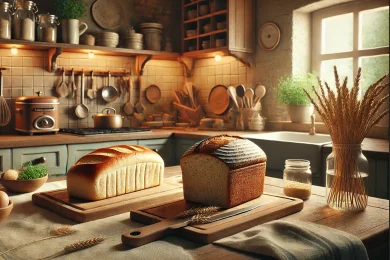 Health and NutritionSourdough vs. Low-Calorie Bread: Which Is Better for Weight Loss and Health?
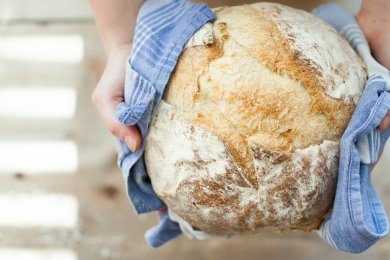 Health and NutritionThe Bread Diabetics Should Embrace: Sourdough
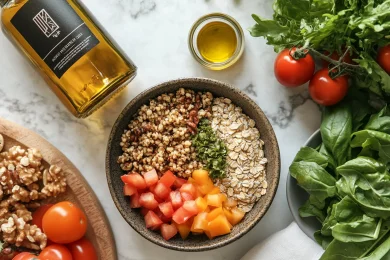 Health and NutritionThe Portfolio Diet: A Proven Plant-Based Plan to Naturally Lower Cholesterol

