

Wonders of Creation
The Journey from Seed to Plant: The Hidden Miracle of Growth
Discover the secrets behind successful planting and understanding why not every seed becomes a flourishing plant.
- Debbie Reichman
- | Updated
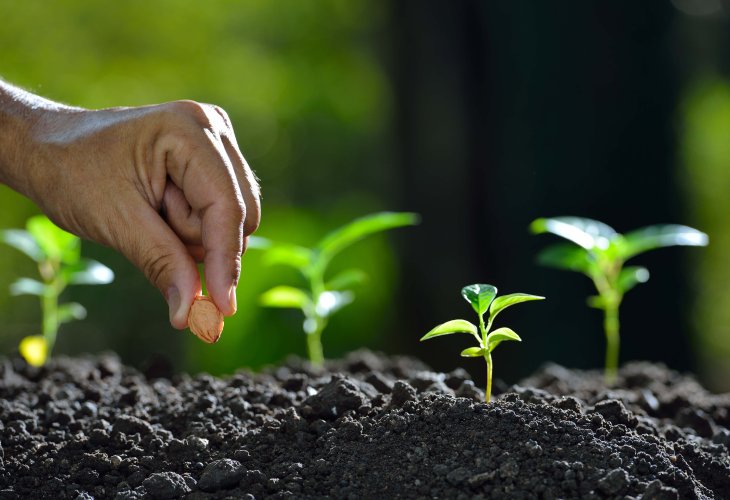
Planting a seed in the ground and watering it seems simple. Soon enough, a small sprout appears and begins to grow. Yet behind this familiar process lies one of the most remarkable wonders of nature.
A tiny seed placed in the soil begins a complex transformation. The seed breaks down and from it emerge roots, leaves, and eventually a full plant. What appears simple on the surface is actually a delicate and carefully balanced process.
Not Every Seed Grows
Plants often produce large numbers of seeds, but only a small portion of them actually develop into flowers, shrubs, or trees.
In nature, many factors influence which seeds survive. Butterflies, bees, birds, and even the wind help spread seeds to new places. Some seeds land in the right environment and grow, while others do not find the conditions they need.
This natural system allows plants to continue spreading and renewing themselves.
Helping Seeds Grow
When people want to grow a particular plant, such as tomatoes in a home garden or a tree in a specific place, it becomes important to understand how different seeds grow.
Some seeds require only basic care. Others need more precise conditions in order to sprout successfully.
Temperature, soil depth, and watering all play important roles in helping a seed begin its journey toward becoming a plant.
The Importance of Warmth and Water
Every seed requires the right level of warmth to begin growing. Seeds naturally receive warmth from the soil around them.
However, not all seeds should be planted at the same depth. Some grow best when placed close to the surface, while others develop better when buried deeper in the soil.
Certain plants grow especially well in warm environments such as greenhouses, where the temperature can be carefully controlled.
Water is another important factor. Some seeds require only small amounts of water, while others need a much greater supply. Understanding these differences helps gardeners support healthy growth.
Encouraging Germination
In some cases, gardeners gently crack or soften a seed’s outer shell before planting. This small step can help the seed begin the germination process more easily.
Once the seed begins to sprout, the young plant must continue receiving the right conditions in order to grow stronger.
From Seedling to Strong Plant
After the first sprout appears, the young plant is often moved to a suitable growing environment. This might be a small pot or carefully prepared soil.
If the plant is intended to grow into a tree, the seedling may later be transplanted to a permanent location once it becomes strong enough.
With proper care, including the right amount of water and sunlight, the small seedling gradually develops into a strong and healthy plant.
What begins as a tiny seed hidden in the soil can eventually become a flourishing plant or a towering tree, reminding us of the remarkable processes that take place quietly within nature every day.

