

Depression and Anxiety
100 Ways to Relax: Simple Tips to Reduce Stress and Anxiety
Feeling overwhelmed? Discover 100 simple and practical ways to relax, reduce stress and anxiety, and bring more calm and balance into your daily life.
- Naama Green
- | Updated
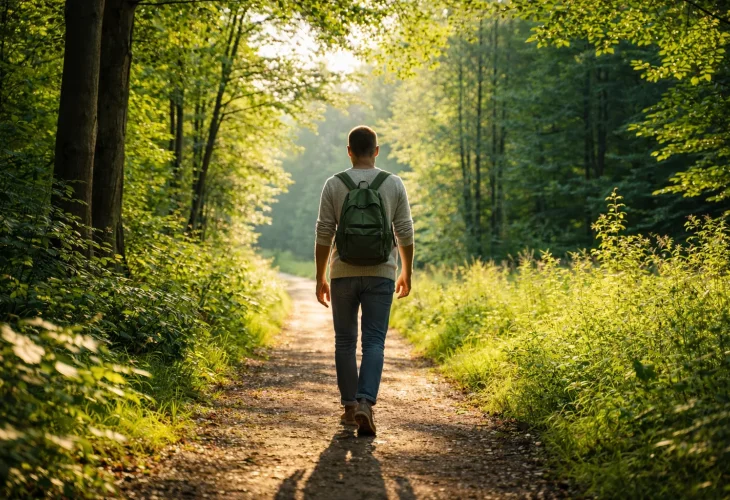
We live in a time when many people feel overwhelmed. News cycles are intense, global tensions are high, and daily life often moves at a relentless pace. Many individuals find themselves carrying constant stress from work, family responsibilities, and uncertainty about the future.
While we cannot control everything happening around us, we can learn how to manage stress in healthier ways. Small habits, positive thinking, faith, and simple lifestyle changes can significantly improve our emotional well being.
The following tips offer practical ideas for reducing stress and creating a calmer, more balanced life.
Change What You Can and Let Go of What You Cannot
One of the most important principles for reducing stress is focusing on what is within your control.
If something is bothering you but cannot be changed, try to release the frustration and shift your attention toward what you can influence.
When you feel stressed, begin by identifying the exact cause. Many times stress comes from a specific problem rather than from everything happening around you. Once you identify the source, ask whether there is a practical action you can take.
If the situation cannot be changed, faith can help bring peace. Remind yourself that everything is ultimately in Hashem’s hands. Do your best, then allow yourself to trust that things will unfold according to His plan.
Stay Present and Calm Your Mind
Stress often grows when our thoughts move constantly between past mistakes and future worries. A simple technique for calming the mind is returning to the present moment.
Ask yourself a simple question: What time is it right now?
This small question helps bring your attention back to the present and reduces mental overload.
Other calming practices include controlled breathing, meditation, and short moments of quiet reflection. Even five minutes of focused breathing each day can improve emotional stability and concentration.
Strengthen Your Body to Reduce Stress
Physical health has a powerful influence on emotional well being. Taking care of your body can dramatically lower stress levels.
Try the following habits:
Get good sleep. Stress often interferes with sleep, but quality rest is essential for emotional balance.
Spend time outdoors. Fresh air and sunlight improve mood and help the body produce vitamin D.
Exercise regularly. Physical activity reduces stress hormones and releases endorphins that improve mood.
Eat nourishing foods. Fresh fruits, vegetables, whole grains, and healthy proteins help stabilize energy levels and support the nervous system.
Limit foods that increase stress such as excessive sugar, processed foods, caffeine, and alcohol.
Even simple pleasures such as drinking green tea or enjoying fresh fruit can help calm the body and mind.
Create a Peaceful Environment
Your surroundings can either increase stress or help you relax.
Cluttered spaces often make people feel overwhelmed. Taking time to organize your home can create a sense of calm and clarity.
Try simple steps such as clearing unnecessary items, organizing documents, airing out blankets, or rearranging furniture to refresh your living space.
Natural light, music, plants, and pleasant colors can also improve your mood and create a more peaceful atmosphere.
Practice Self-Compassion
Many people increase their own stress through harsh self-criticism. When things go wrong, it is easy to blame yourself.
Instead, remind yourself that you are doing the best you can in the moment. Mistakes are part of learning and growth.
When something does not go as planned, ask what lesson you can take from the experience and use that knowledge to prepare better for the future.
Let go of perfectionism. Life does not require perfection to be meaningful or successful.
Strengthen Your Emotional Support
You do not have to deal with stress alone.
Talking with friends, family members, or professionals can help relieve emotional pressure. Support groups and counseling can also provide valuable guidance.
Sometimes simply expressing your feelings openly can reduce tension and bring clarity.
If stress becomes overwhelming or persistent, seeking professional help from a therapist or psychologist can be an important step toward recovery.
Positive Thinking and Faith
Our thoughts strongly influence our emotional state. When we constantly focus on negative outcomes, stress increases.
Learning to shift our thoughts toward more positive interpretations can reduce anxiety.
A well known Chassidic saying teaches: Think good, and it will be good.
Faith can also be a powerful source of calm. Trusting that challenges have meaning and that Hashem guides the world allows many people to face difficulties with greater peace of mind.
Practicing gratitude is another powerful tool. When you regularly remind yourself of what you already have, problems begin to appear in a broader perspective.
Healthy Activities That Reduce Stress
Many everyday activities can help release tension and improve emotional balance.
Creative activities such as drawing, writing, knitting, photography, music, or puzzles allow the mind to relax.
Gardening, cooking, organizing photos, or keeping a personal journal can also provide a sense of calm and accomplishment.
Physical activities such as walking, running, cycling, stretching, or dancing release built up stress in the body.
Even humor plays an important role. A moment of laughter can reduce tension and strengthen the immune system.
Make Time to Rest
In today’s fast paced world, many people rarely give themselves permission to rest.
Creating short daily periods of quiet can be incredibly helpful. Spend a few minutes sitting peacefully, breathing slowly, or simply enjoying silence.
Planning enjoyable activities for the coming week such as meeting friends, visiting a park, or listening to music can also improve emotional well being.
Sometimes the most important step toward reducing stress is simply allowing yourself to pause.
Conclusion
Stress is a natural part of life, especially during challenging times. However, it does not have to control our lives.
By caring for our physical health, strengthening our faith, organizing our environment, and developing healthier ways of thinking, we can significantly reduce the pressure we feel.
Even small changes in daily habits can create meaningful improvements. With patience, awareness, and trust in Hashem, it is possible to face life’s challenges with greater calm and confidence.

