

Israel News
Israel Passes Broad Tax Exemptions for Solar Projects
The Knesset has approved a new law in its second and third readings that grants broad exemptions from drainage, paving, and betterment levies for solar roofing and agrivoltaic installations. The measure removes major bureaucratic and financial barriers facing citizens.
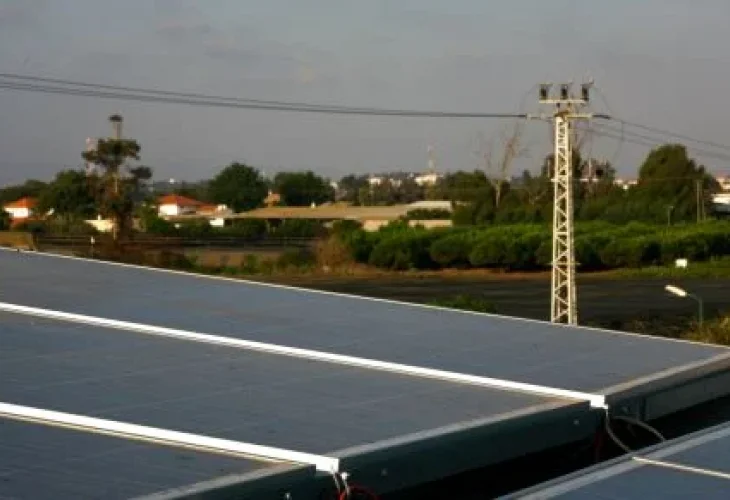 (Archive photo: Chen Leopold, Flash90)
The Knesset plenum today (Tuesday) approved, in its second and third readings, a bill that will grant a broad exemption from drainage, paving, and betterment levies for solar roofing and agrivoltaic installations. The amendment bill, led by Interior and Environmental Protection Committee Chair MK Yitzhak Kreuzer, will officially enter the State of Israel’s law books.
The new law removes major bureaucratic and financial barriers facing citizens, entrepreneurs, and farmers who want to install solar electricity generation systems. Until now, the exemption from drainage and paving levies applied only to solar roofing over open parking lots. Under the amendment, the exemption will be expanded to every type of solar roofing on any kind of site (sports fields, industrial buildings, courtyards, and more), provided that the basic levies for the area have been paid.
MK Kreuzer said: "This is tremendous news for the energy sector, for the general public, and for Israel’s farming community. During the marathon committee discussions, we insisted on removing every obstacle stuck in the wheels of green energy. Cutting unnecessary municipal taxes and levies will directly encourage the construction of solar installations across the country, while protecting public funds and helping lower the cost of living."
The new law will apply to all photovoltaic (solar) roofing, regardless of the type of land, for installations whose construction begins from June 2026 through the end of 2030. In addition, an indirect amendment was added to the Planning and Building Law that grants an exemption from the betterment levy for the construction of agrivoltaic installations (a combination of agriculture and solar facilities) as a temporary measure for one year.

