

Home Styling
Why Gardeners Are Sprinkling Cinnamon on Their Plants
Cinnamon isn't just for baking. Discover why gardeners use this common kitchen spice to help prevent fungal growth, deter pests, and protect plants naturally.
- Shira Dabush (Cohen)
- | Updated
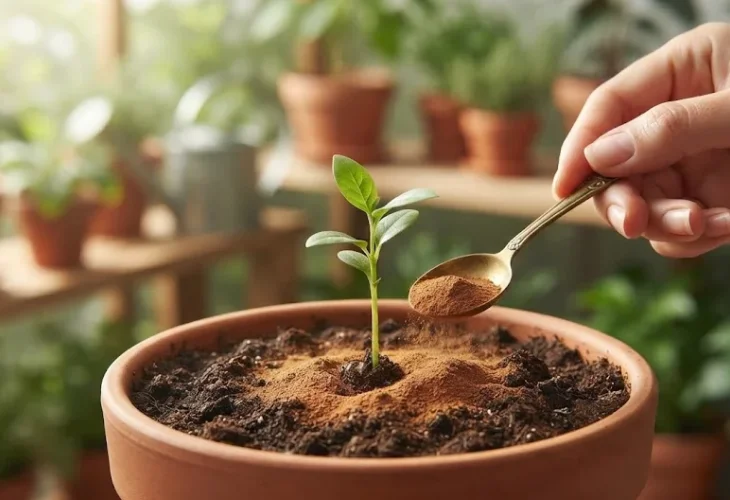
If your plants are looking a little worse for wear, you may not need to head to the garden center just yet. The solution could already be sitting in your kitchen pantry.
While cinnamon is best known as a flavorful spice for baking and warm drinks, many gardeners also use it as a simple, natural way to support plant health. Although it isn't a miracle cure, experts say cinnamon has several properties that can make it a useful addition to your gardening routine.
A Natural Defense Against Fungal Growth
One of cinnamon's best-known benefits in the garden is its natural antifungal properties.
When soil stays damp for long periods, fungi can develop and damage young seedlings or newly germinated seeds. Some gardeners lightly sprinkle ground cinnamon over the surface of the soil to help reduce the risk of fungal growth during the early stages of a plant's life.
While cinnamon should not replace professional treatments for established plant diseases, it is often used as a preventative measure to help create a healthier growing environment.
It May Help Keep Pests Away
Cinnamon's strong aroma may also discourage certain household and garden pests.
Some gardeners report that sprinkling a small amount around plants can help deter insects such as ants, as well as spiders that may build webs around pots and garden beds. While results can vary, many people use cinnamon as a natural alternative to chemical pest deterrents.
Protecting Freshly Pruned Plants
Another popular use for cinnamon is after pruning.
Some gardeners dust a small amount onto freshly cut stems or branches. The dry layer may help reduce the chance of fungi or bacteria entering the exposed area while the plant heals.
Although scientific evidence is limited, many home gardeners have included this practice in their regular plant care routine for years.
How Much Should You Use?
A little goes a long way.
A light dusting of ground cinnamon on the soil or a freshly cut stem is usually enough. Avoid covering the entire surface of the pot with a thick layer, as too much cinnamon can form a barrier that makes it more difficult for water to soak into the soil.
What Cinnamon Can't Do
It's important to keep realistic expectations.
Cinnamon is not a fertilizer, so it won't provide plants with the nutrients they need to grow. It also cannot cure serious diseases or revive plants that have already suffered significant damage.
If your plant has yellowing leaves, root rot, severe pest infestations, or signs of advanced disease, it's important to identify the underlying problem and treat it appropriately. Cinnamon may be a helpful addition to your gardening toolkit, but it works best as a preventative aid—not a substitute for proper plant care.

