

Health and Nutrition
Sleep Apnea: 4 Warning Signs You Should Never Ignore
Sleep apnea affects millions of Americans, yet many people don't know they have it. Learn four common warning signs and when it's time to seek a medical evaluation.
- Yitzchak Eitan
- | Updated
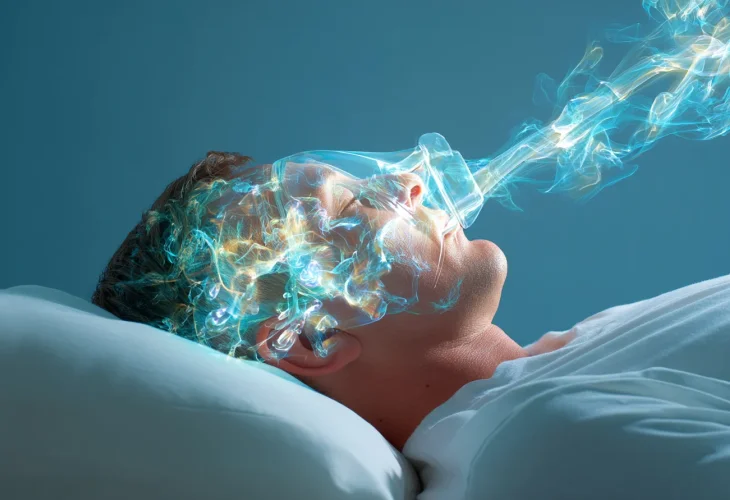
Sleep apnea is far more common than many people realize. The condition causes breathing to repeatedly stop and restart during sleep, often without the person being aware of it. According to a 2025 systematic review published in Respiratory Medicine, approximately 32.4% of adults in the United States have sleep apnea. Left untreated, it can increase the risk of high blood pressure, heart disease, stroke, and other health problems because the brain and body repeatedly receive less oxygen throughout the night.
Since the interruptions happen during sleep, many people do not realize they have the condition until they notice persistent daytime symptoms or a partner points out loud snoring or pauses in breathing. Here are four warning signs that experts say should not be ignored.
1. Constant Daytime Fatigue
Feeling unusually tired despite spending enough hours in bed is one of the most common signs of sleep apnea. Dr. Suman Paul, a lung disease specialist in the United Kingdom, says persistent daytime exhaustion is a hallmark of the condition.
Dr. Brooke Judd, director of Sleep Medicine at Dartmouth Health, explains that fatigue can range from mild to severe. Some people struggle to stay awake during conversations, meetings, or even while driving, although many simply feel constantly drained throughout the day.
2. Brain Fog and Trouble Concentrating
Poor quality sleep affects much more than energy levels. According to Dr. Judd, repeated interruptions in sleep can make it difficult to think clearly, concentrate, or remember information.
Many people describe feeling mentally "foggy" or having trouble focusing on everyday tasks, even after what seemed like a full night's sleep.
3. Waking Up With Headaches
Morning headaches are another common symptom. Dr. Paul explains that repeated drops in oxygen levels and the buildup of carbon dioxide during the night can cause blood vessels to widen, creating pressure that leads to headaches upon waking.
While occasional morning headaches can have many causes, frequent headaches accompanied by excessive daytime fatigue may warrant further evaluation.
4. High Blood Pressure
Research published in Cureus suggests that repeated episodes of reduced oxygen during sleep can contribute to elevated blood pressure. Over time, untreated sleep apnea places additional strain on the cardiovascular system, increasing the risk of heart related complications.
For many people, identifying and treating sleep apnea is an important step toward improving both sleep quality and long term health.
If you regularly experience these symptoms, it is worth discussing them with your healthcare provider. A sleep study can determine whether sleep apnea is the cause, and effective treatments are available. For many patients, proper treatment significantly improves sleep quality, daytime energy, and overall health.

