

Parshat Ekev
Parashat Ekev: The Spiritual Danger of Success
Parashat Ekev teaches that prosperity is not only a blessing but also a spiritual test. Discover Rabbi Samson Raphael Hirsch's timeless insights on gratitude, humility, and remembering Hashem.
- Yehosef Yaavetz
- | Updated
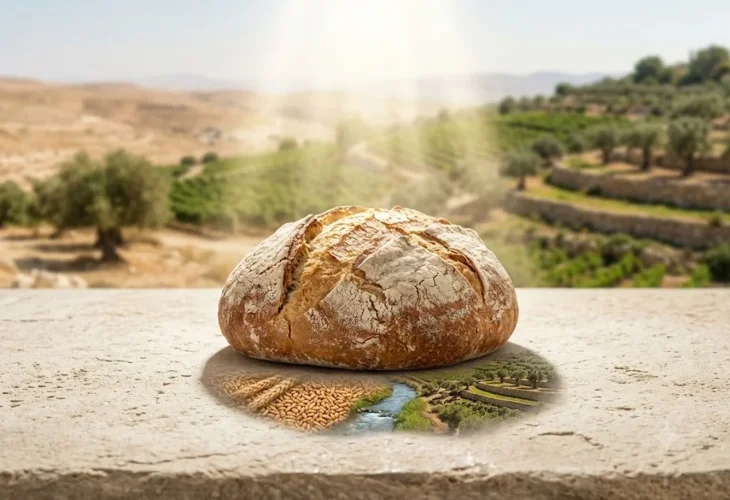
Parashat Ekev contains one of the Torah's most powerful lessons about the relationship between physical success and spiritual awareness. As Moses prepares the people of Israel to enter the Promised Land, he warns them not only about the challenges they will face, but also about the dangers that come with prosperity. His message is timeless: true blessing is not measured by what we possess, but by whether we remember the One who gave it to us.
Drawing on the commentary of Rabbi Samson Raphael Hirsch, we discover that Ekev teaches us how to live with abundance without becoming consumed by it, and how gratitude and humility are the foundations of lasting faith.
Listening to Hashem Means Paying Attention to the Details
The parashah begins with the words, "And it shall be, because you heed these ordinances and keep and fulfill them."
Rabbi Samson Raphael Hirsch explains that the Hebrew word eikev conveys more than simply obeying the commandments. It refers to listening attentively and carefully observing every detail of Hashem's will. Genuine faith is not expressed only through lofty ideals or heartfelt emotions. It is demonstrated through careful attention to the practical details of halacha and everyday mitzvot.
Love of Hashem and love of others are essential, but they are not enough on their own. Spiritual growth requires the humility to listen, to learn, and to translate faith into daily action. Through that attentiveness, a person develops a deeper relationship with the Creator.
The Lesson of the Manna
Food appears repeatedly throughout Parashat Ekev. The Torah speaks about bread, the manna, the produce of the Land of Israel, and even victory over Israel's enemies using the language of eating.
At first glance, the manna seems like an extraordinary gift. Yet the Torah describes it as part of a process of testing and spiritual growth:
"He afflicted you and let you hunger, and fed you manna... in order to teach you that man does not live by bread alone, but by everything that proceeds from the mouth of Hashem."
The wilderness was meant to teach the Jewish people that physical nourishment alone does not sustain life. Every meal ultimately comes from Hashem's will.
When the nation eventually entered the Land of Israel, they would farm, harvest, and bake bread like every other nation. But unlike others, they were meant to remember that bread never stands alone. Behind every harvest, every paycheck, and every success stands the One who provides the ability for it all to happen.
That lesson remains just as relevant today. We work hard, plan carefully, and pursue our goals, but faith reminds us that our efforts succeed only because Hashem grants them success.
The Greatest Test Is Success
After describing the beauty and abundance of the Land of Israel, the Torah commands:
"You shall eat and be satisfied, and bless Hashem, your God, for the good land He has given you."
Why specifically after becoming satisfied?
The Torah explains that prosperity brings its own spiritual dangers:
"Lest you eat and be satisfied... and your heart grows haughty and you forget Hashem, your God."
Rabbi Hirsch notes that success naturally brings a sense of satisfaction. A person sees the house they built, the business they established, or the wealth they accumulated, and begins to feel that everything was achieved solely through personal effort.
This, he explains, is where forgetting Hashem begins. Pride itself is already the first step away from recognizing the Creator.
The wilderness served as a lifelong reminder that there was a time when the Jewish people owned nothing. They lived in temporary shelters and depended entirely on manna from Heaven. That memory was meant to accompany them even after they settled comfortably in permanent homes.
Who Gives Us the Strength to Succeed?
The Torah addresses another common mistake:
"You say in your heart, 'My own power and the strength of my hand have made this wealth for me.'"
It immediately answers:
"You shall remember Hashem, your God, for He is the One who gives you strength to attain wealth."
The Torah does not deny human effort. People are expected to work, build, create, invest, and develop their talents. Yet every ability we possess, our health, intelligence, opportunities, and even the circumstances that allow success, ultimately comes from Hashem.
This understanding lies at the heart of Birkat Hamazon. After eating and becoming satisfied, we pause to thank the Creator, acknowledging that every blessing originates with Him.
Humility Even in Victory
The Torah extends this lesson beyond personal success to national success as well.
As the Jewish people prepared to conquer the Land of Israel, they were warned not to conclude that victory came because they were exceptionally righteous.
"Do not say in your heart... 'Because of my righteousness Hashem has brought me to inherit this land.'"
To reinforce this point, Moses immediately reminds the nation of one of its greatest failures: the sin of the Golden Calf.
Historical memory serves an essential purpose. Remembering past mistakes protects a nation from believing in its own perfection. Humility allows people to recognize that Hashem's kindness often exceeds what they deserve, inspiring gratitude instead of arrogance.
The Torah's Demands Are Not Meant to Be Burdensome
After presenting these profound lessons, Moses summarizes what Hashem truly asks of His people:
"And now, Israel, what does Hashem, your God, ask of you, but to fear Hashem, your God, to walk in all His ways, to love Him, and to serve Hashem, your God, with all your heart and with all your soul."
The Gemara famously asks how Moses could describe fear of Heaven as though it were a small request. It answers that for Moses, it truly was.
On a deeper level, this teaches that while spiritual growth may seem difficult to someone just beginning the journey, living a life of Torah eventually becomes second nature. Once a person develops a close relationship with Hashem, serving Him no longer feels like a burden. It becomes a source of purpose, joy, and fulfillment.
Parashat Ekev reminds us that faith is tested not only during hardship but also during times of blessing. True spiritual success is not measured by the abundance we accumulate, but by whether we remember its Source. Gratitude, humility, and faithful service transform material blessings into lasting spiritual treasures.

