

Health and Nutrition
Contact Lens Safety: The Mistake That Could Harm Your Eyes
Protect your eyesight with these expert-backed contact lens safety tips, including why expiration dates and proper hygiene matter more than you may think.
- Yitzchak Eitan
- | Updated
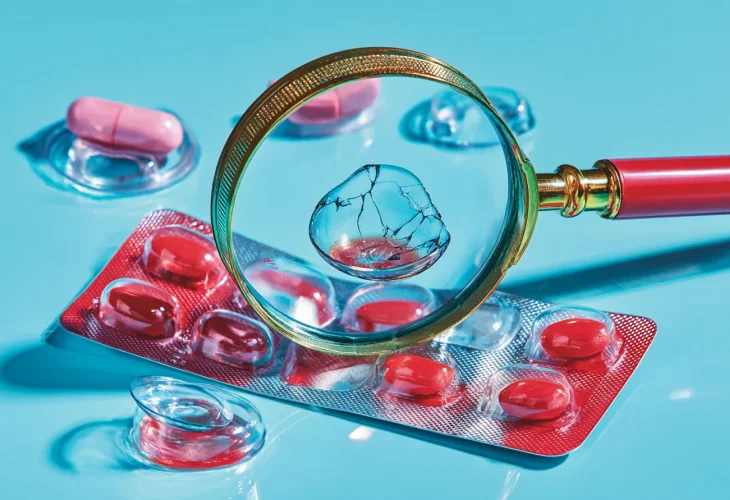
Contact lenses make life easier for millions of people, but because they become part of the daily routine, it's easy to overlook important safety guidelines. A habit that seems harmless—such as wearing lenses past their expiration date or extending their recommended use—can significantly increase the risk of eye irritation, infection, and even vision-threatening complications.
Eye specialists say that many of the most common contact lens mistakes are also the most preventable. Here are some of the biggest errors to avoid if you want to keep your eyes healthy.
Never Wear Expired Contact Lenses
Many people assume the expiration date printed on a box of contact lenses is only a recommendation. According to ophthalmologists, it is not.
Dr. Maria Montero Romero, an ophthalmologist and deputy director of clinical services at Orbis International, explains that contact lenses do expire, and the expiration date is there for a reason. Over time, the sterile seal on the packaging can weaken, allowing the saline solution inside to lose its sterility.
Using expired lenses can expose your eyes to bacteria and other harmful microorganisms, increasing the risk of severe irritation, inflammation, and potentially serious eye infections.
Old Lenses Become Less Safe
Even if a pair of lenses looks perfectly fine, the material naturally deteriorates over time.
Dr. Lakshman Mulpuri, an ophthalmology resident at Cook County Health, explains that aging lenses are more likely to tear and lose their original shape. As the surface of the lens breaks down, bacteria can adhere more easily, increasing the risk of corneal infections that may threaten vision.
For that reason, experts recommend replacing lenses according to the manufacturer's schedule, even if they still appear usable.
Don't Wear Lenses Longer Than Intended
Eye doctors also warn against stretching the lifespan of contact lenses beyond their intended use.
Daily disposable lenses are designed to be worn once and then discarded. Dr. Daniel Brooks, chief medical director at BostonSight, emphasizes that daily lenses are not made to be cleaned or disinfected for reuse. Reusing them allows protein deposits, dirt, and microorganisms to accumulate on the lens surface.
Similarly, monthly lenses should be replaced after one month, even if they have not been worn every day. Following the recommended replacement schedule helps reduce the risk of infection and keeps the lenses performing as intended.
Avoid These Common Contact Lens Mistakes
Eye care professionals recommend several other simple habits that can dramatically reduce your risk of eye problems.
Never sleep while wearing contact lenses unless they were specifically prescribed for overnight wear. Sleeping in lenses significantly reduces the amount of oxygen reaching the cornea and has been shown to increase the risk of corneal infections severalfold.
Lenses should also never come into contact with tap water, swimming pools, hot tubs, lakes, or seawater. Water can contain microorganisms, including Acanthamoeba, a rare but potentially sight-threatening parasite that can cause severe corneal infections.
Likewise, never use saliva to clean or moisten contact lenses, as it introduces bacteria directly onto the lens.
Simple Habits That Protect Your Vision
Proper contact lens hygiene doesn't take much time, but it can make a tremendous difference in protecting your eyesight.
Eye specialists recommend always washing and drying your hands before handling your lenses, replacing your lens case every three months, using fresh disinfecting solution each time you store reusable lenses, and discarding expired lenses and eye care products promptly.
These small daily habits can significantly reduce your risk of infection and help keep your eyes healthy for years to come.

