

Parashat Re'eh
Shabbat Mevarchim Elul: Why This Shabbat Is So Spiritually Powerful
Discover why the Shabbat before Elul was revered by the greatest Jewish sages and how its blessing prepares us for Rosh Hashanah and the new year
- Naama Green
- | Updated
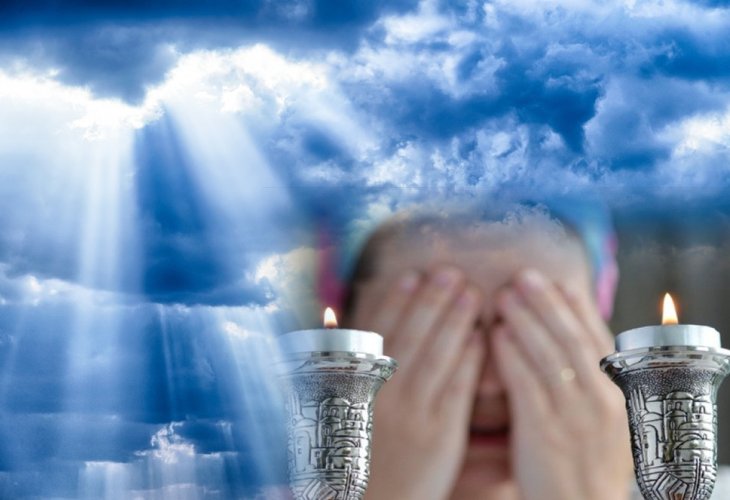
The upcoming Shabbat is Shabbat Mevarchim, on which we bless the coming month of Elul. This is a uniquely significant Shabbat, one with extraordinary spiritual influence.
This idea is derived from a letter written by Rabbi Aharon of Karlin to his son. He noted that since the month of Tishrei is not blessed on the Shabbat preceding it, one should have in mind, when blessing the month of Elul, that the blessing should also extend to Tishrei.
Rabbi Elimelech Biderman cites this teaching in Be'er HaParashah and explains that the blessing bestowed upon Elul naturally influences Tishrei as well. Since Rosh Hashanah, which falls on the first of Tishrei, determines the spiritual character of the entire coming year, the blessing of Elul carries tremendous significance.
The Awe That Accompanied the Arrival of Elul
Books of ethical teachings describe how the great Torah leaders of previous generations approached the month of Elul and, especially, the Shabbat on which it was announced.
Rabbi Yisrael Salanter famously wrote: "In earlier times, as I remember, every person trembled when hearing the announcement, 'The holy month of Elul.'" (Ohr Yisrael, Letter 14)
One of his students describes the scene: "After the prayer leader proclaimed, 'The month of Elul,' Rabbi Yisrael was visibly shaken. Everyone could see the difference between his demeanor during the Musaf prayer and the Shacharit prayer that had preceded it, because Musaf already belonged to Elul."
A similar account is told about the Chafetz Chaim.
On the Shabbat when the new month of Elul was blessed, as the cantor began to announce, "Rosh Chodesh Elul will be on..." the Chafetz Chaim trembled from head to toe and burst into uncontrollable tears. His overwhelming sense of awe spread throughout the synagogue, filling the congregation with fear and reverence.
The book Darchei Chaim VeShalom relates the conduct of Rabbi Chaim Elazar Shapira of Munkatch.
Each year, when he announced the coming of Rosh Chodesh Elul, everyone listening felt seized with the anguish of a woman in labor. Later, while reciting the prayer Yechadsheihu, after the words "for complete healing," he would add in a voice choked with tears: "And for complete repentance and a speedy redemption—Amen."
His voice was so moving that, it was said, even a heart of stone would melt, prompting listeners to begin examining their deeds.
The Call of Elul
How should we respond when we hear that the month of Elul is approaching?
The book Lekach Tov tells the following story.
One night, a soldier in the army of Czar Nicholas encountered a drunken man wandering through the streets. He ordered him to identify himself, but the drunk ignored him. The soldier repeated the command, again receiving no response.
Finally, he shouted: "I am a soldier of Czar Nicholas, and I command you to identify yourself!"
When the man still failed to answer, the soldier fired his weapon, wounding him.
Both men were later brought to court — the drunk for refusing to obey the soldier's command, and the soldier for shooting him.
The wounded man protested: "Why did you shoot me?"
"Because you refused to identify yourself," the soldier replied.
"But couldn't you see I was drunk?" the man argued.
The soldier answered: "When someone hears the name 'Nicholas,' even a drunk is expected to sober up."
The lesson for us is clear. When we hear the call of "Elul," every Jew is expected to awaken.
A Wake-Up Call for the Soul
It is also told about Rabbi Shraga Grossbard that whenever he served as prayer leader on Shabbat Mevarchim Elul and announced the coming month, his voice would break with emotion. He trembled as he contemplated the approaching Days of Judgment.
For the great sages, the announcement of Elul was never merely a date on the calendar, but a wake-up call to the soul.
As we enter this sacred month, may we too hear its call — not with fear alone, but with renewed purpose. May Elul awaken us to sincere repentance, spiritual growth, and a closer relationship with God, preparing us to enter the new year worthy of blessing, mercy, and peace.

