

Home Styling
Home Styling Mistakes That Make Your Home Feel Cluttered (And How to Fix Them)
Learn simple designer-approved tips to create a beautiful, cohesive, and inviting home
- Orit Grosskot
- | Updated
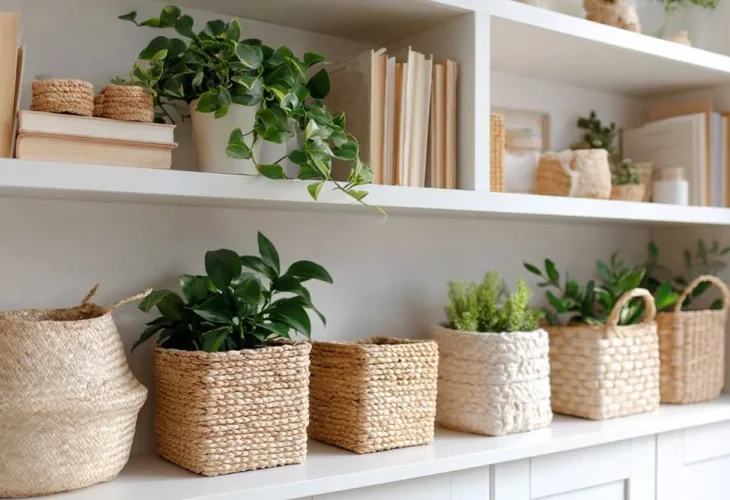
There are homes you walk into and immediately feel that something is off. Everything is clean, the sofa is in place, the countertops are mostly clear, and the furniture is attractive, and yet the space still feels cluttered, cold, or somehow lacking direction.
At first, I assumed the problem was simply having too many belongings. While that certainly matters, I gradually realized it isn't the main issue. Beyond the amount of stuff in your home, there are several critical design mistakes that can make a space feel disorganized or uninviting — even when it's actually tidy.
Good home styling has nothing to do with expensive furniture or a large house. In fact, it has nothing to do with either. Some of my most beautiful makeovers have been in small apartments using furniture and accessories from affordable stores like IKEA and Urbanica.
Great home styling is about emotion. It's about creating a space your eyes naturally enjoy, connecting different elements, giving every corner a purpose, and filling your home with light, color, and personality.
Feeling Like Something Is Missing? Seven Common Design Mistakes You Can Fix Today
1. Beautiful Pieces That Don't Tell One Story
This is one of the most common decorating mistakes. You buy a pillow you love, a picture you happen to find, a vase in a different color, and curtains that looked great in the store. Eventually, your room is filled with beautiful items that simply don't belong together.
The result? Visual clutter. Even if there aren't many objects, your eyes struggle to understand how they relate to one another.
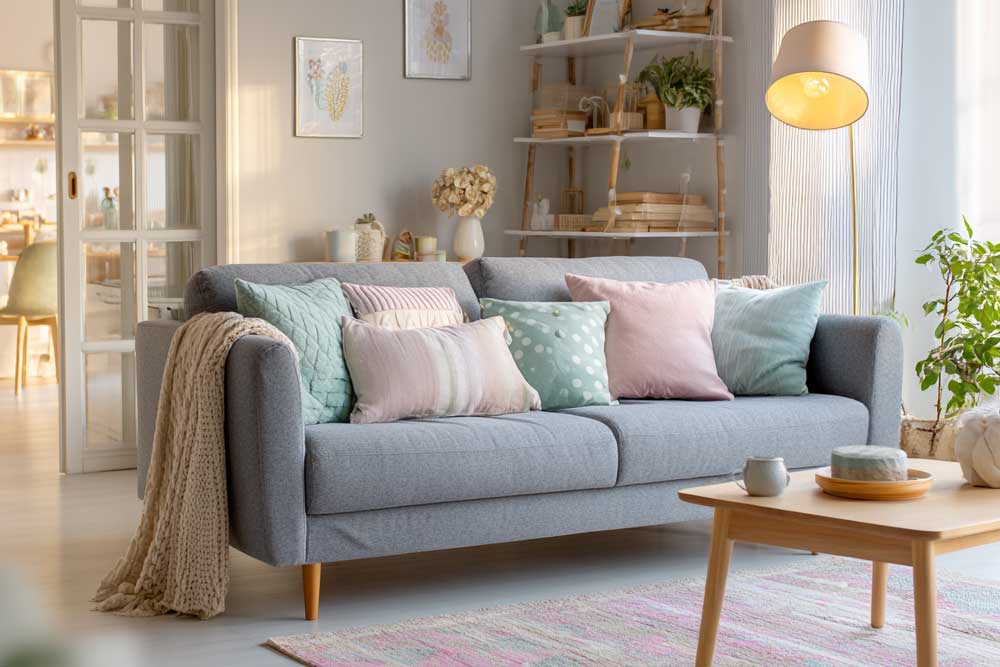
The solution: Choose a limited color palette and repeat it subtly throughout the space.
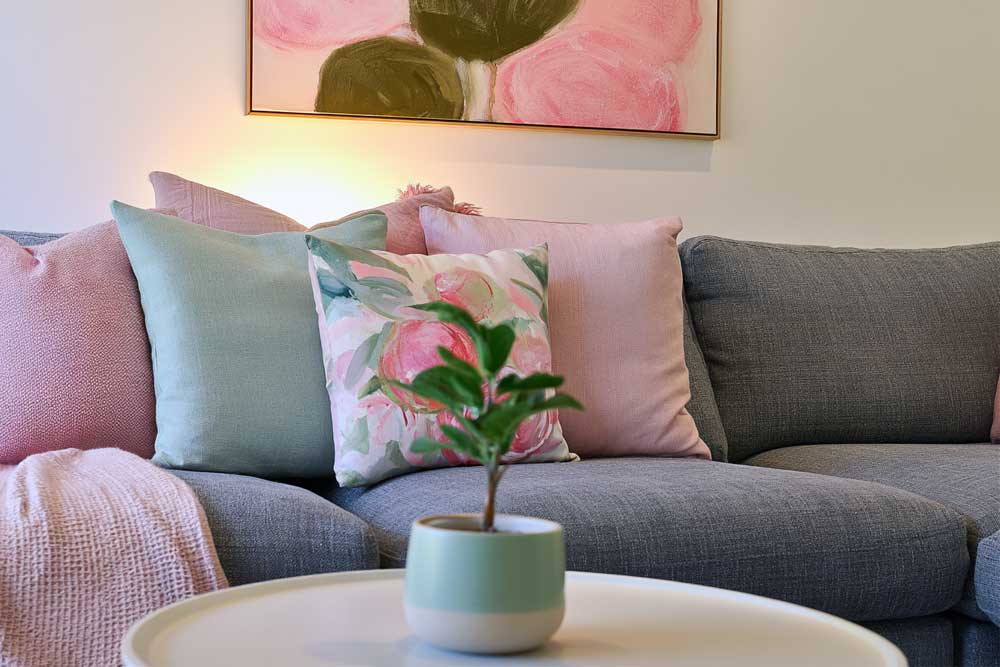
Start with a neutral base color such as cream, sand, light gray, or warm white. Then add one main accent color such as deep blue, sage green, dusty pink, or terracotta, and one complementary shade.
Repeat these colors throughout the room in your throw pillows, artwork, flowers, candles, books, or decorative objects.
Older items can also be given new life. A burgundy rug may suddenly look beautiful alongside dusty pink and navy cushions. A yellow lamp you were planning to replace can become a standout feature when paired with mustard or gold accents.
The secret is repetition. When colors reappear throughout a room, the space feels unified.
2. The Room Has No Focal Point
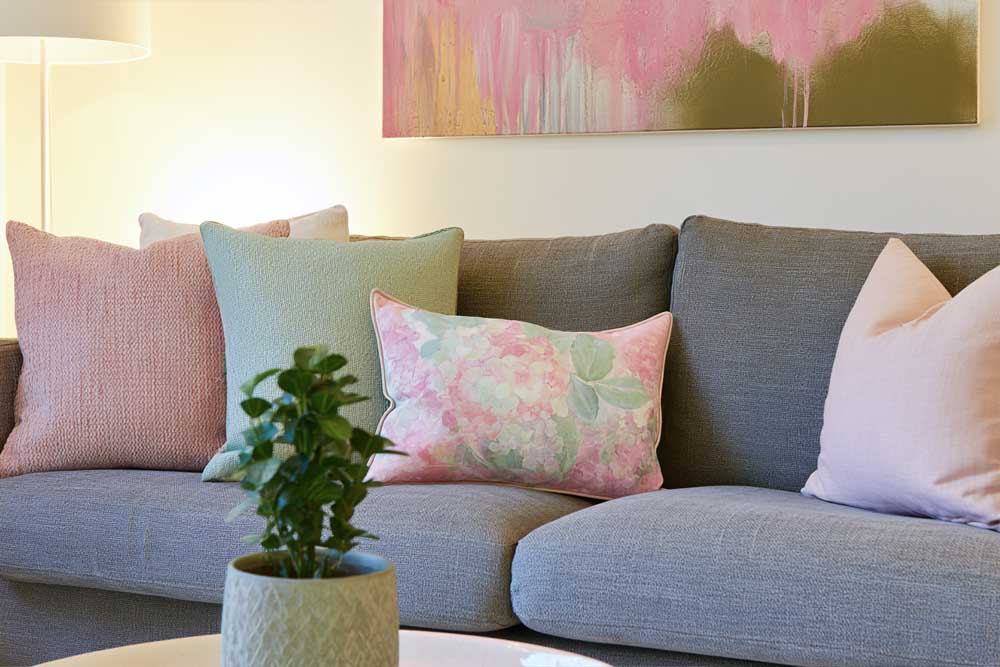
Every room needs one element that immediately draws the eye. It should give visitors an instant sense of direction, atmosphere, and personality.
Without a focal point, the eye wanders from the sofa to the armchair, the shelves, the coffee table, and the window. Everything competes for attention, making the room feel messy, even when it isn't.
How to Create a Focal Point
Your focal point could be:
A large piece of artwork
Beautiful floor-to-ceiling curtains
A well-styled bookcase
A sofa in a striking color
A feature wall
A large mirror
A dining table highlighted by a statement light fixture
Choose one area to take center stage, and let the rest of the room quietly support it.
Curtains can also become an impressive focal point. Instead of hanging them just above the window, mount the curtain rod as high as possible and extend it beyond the window frame. This creates the illusion of larger windows, higher ceilings, and a more elegant room.
Curtains frame your windows just as eyebrows frame your face. Hung correctly, they can transform an ordinary room into one that feels professionally designed.
3. Too Many Corners Without a Purpose
A corner without a clear purpose quickly becomes a dumping ground.
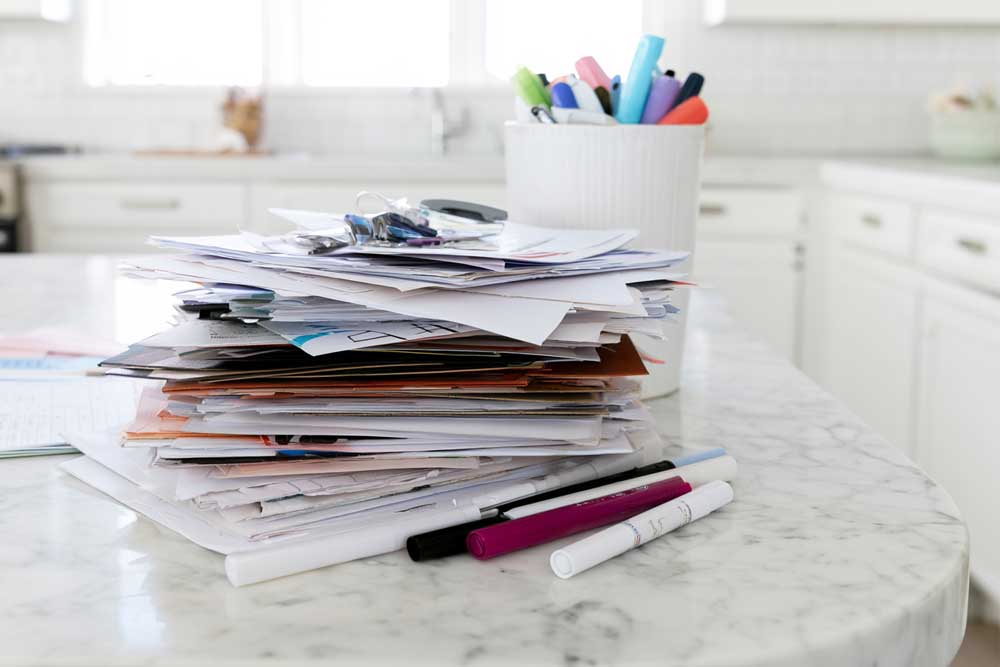
A kitchen counter covered with mail, a pile of clothes tossed into the spare room, shopping bags stacked on the coffee table, a home office that resembles a storage room, or a decorative shelf overflowing with random objects, all make a home feel as though it's spilling in every direction.
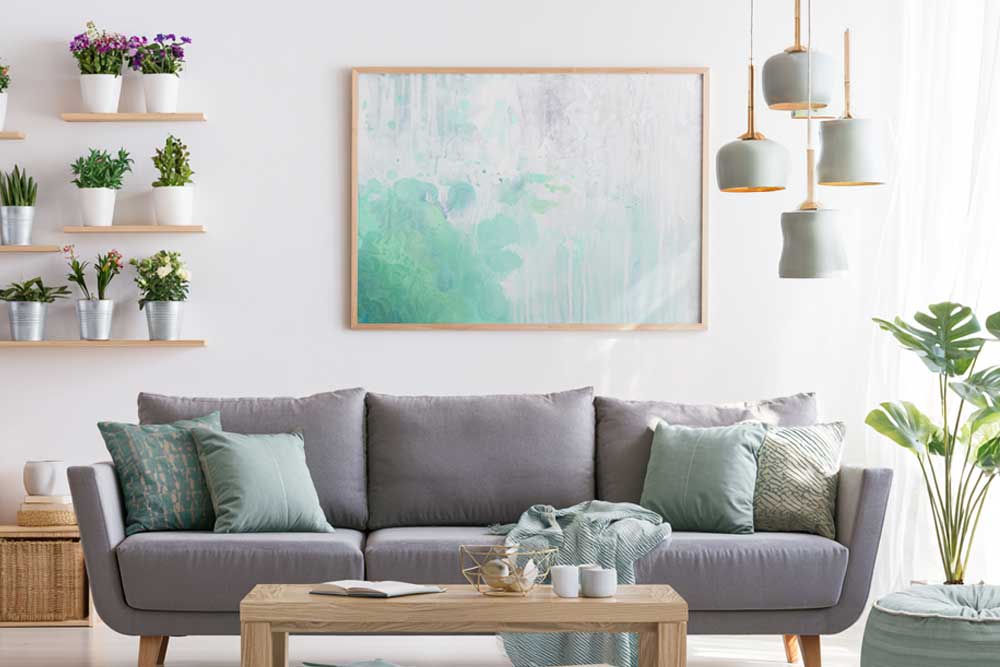
The beauty of good home styling lies in assigning every corner a purpose.
Remember this simple rule: Every corner in your home should have a job.
For example:
A corner by the window can become a cozy reading nook with a comfortable chair, floor lamp, and side table.
An empty hallway wall can become a family photo gallery.
An unused living room corner can feature a slim console table, mirror, and tall plant.
Even a single chair in the bedroom can become an intentional design feature by adding a small lamp or an attractive laundry basket beside it.
When every space has a purpose, your home feels thoughtfully designed.
Not sure if every area has a role? Walk through your home with a notebook and write down the purpose of each space. If you find yourself staring at one corner wondering what it's supposed to be, you've found your problem.
4. Using Storage That Looks Temporary
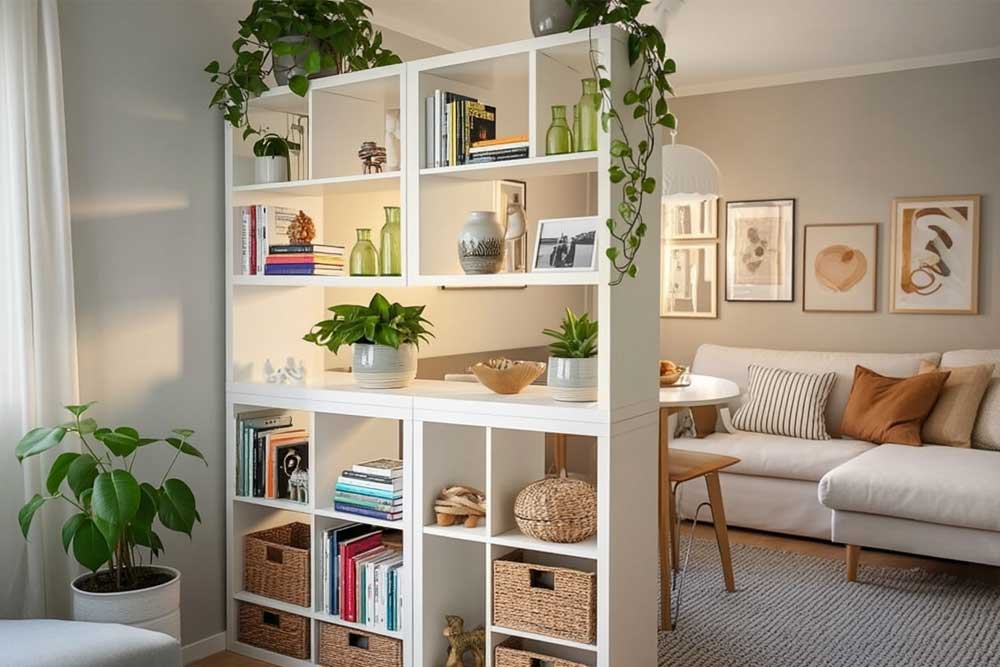
Plastic drawers, mismatched storage bins, stacks of plastic boxes, and undersized storage furniture often make a home feel unfinished and tired. Good storage should be both functional and attractive.
Instead of adding more and more small storage solutions, think bigger:
A tall bookcase
A slim cabinet with doors
Shelving that reaches nearly to the ceiling
A closed sideboard
Built-in storage that blends with the walls and furniture
Your walls are valuable design space. Especially in smaller homes, use vertical space instead of relying only on the floor. Tall shelves, narrow cabinets, and wall-mounted storage free up walkways while creating a cleaner look.
For a cohesive appearance, choose baskets, boxes, and storage containers made from the same materials such as woven wicker, fabric, light wood, matte black, or matching plastic finishes. Uniform storage creates visual calm.
5. The Entryway Feels Like a Drop Zone
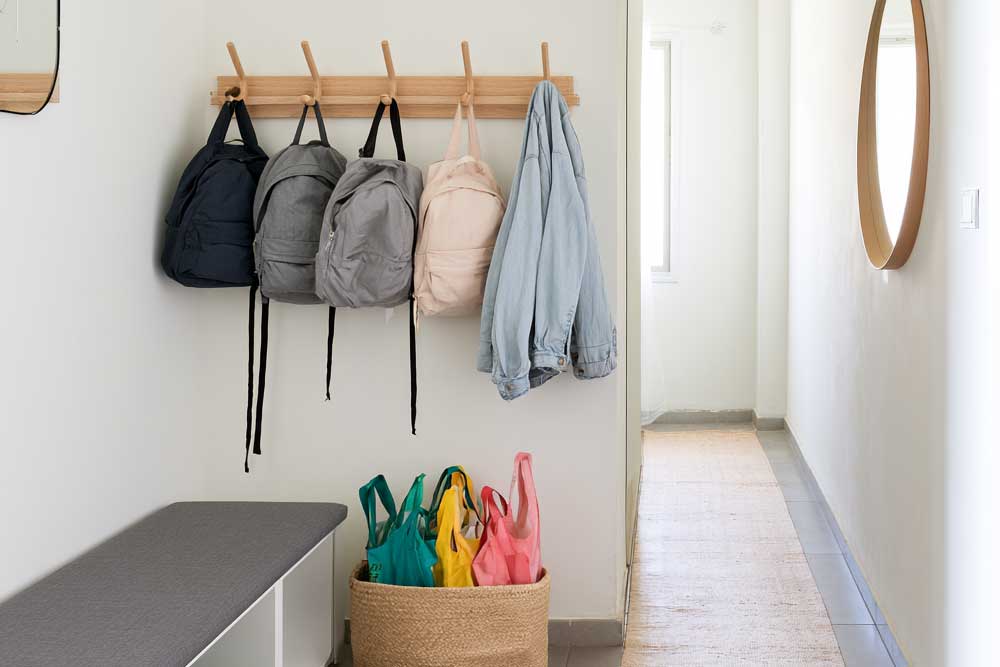
Your entryway is the first thing you see when you come home, and the first impression your guests receive. In many homes however, it is crowded with shoes, coats, bags, shopping sacks, and keys.
Even if the rest of your home is beautifully designed, a cluttered entrance immediately creates the impression of chaos.
Instead, add a few thoughtful pieces:
A stylish wall hook or coat rack
A narrow storage bench
A basket for bags
A compact shoe cabinet
A mirror that reflects light and enlarges the space
Artwork or a plant for personality
Treat your entryway as an intentional design feature. Carry one of your home's main colors into this area so it feels like a natural extension of the rest of the house.
6. Flat Lighting and Bare Walls
You can buy beautiful furniture, choose the perfect color palette, and arrange everything flawlessly, but if your only light source is a single ceiling fixture, your home may still feel cold.
Lighting is one of the most powerful tools in home styling. It changes the atmosphere, highlights beautiful areas, creates depth, and adds warmth to even the simplest home.
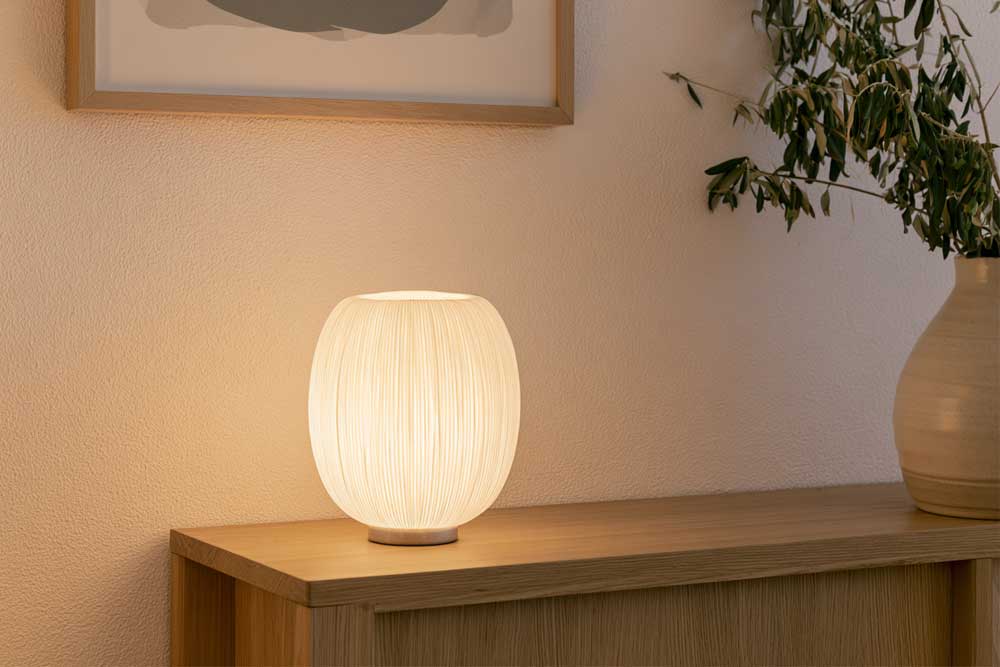
In my own house, two additional lamps remain on throughout the day: a small table lamp by the entrance and a standing reading lamp in the living room. Together, they soften the atmosphere with warm, inviting light.
Try adding multiple light sources at different heights:
A floor lamp beside the sofa
A table lamp on a console
A bedside lamp
Warm lighting above the dining table
Soft LED shelf lighting
You don't need to turn them all on at once, but having options lets you completely transform the mood in the evening.
Your walls also deserve attention. An empty wall doesn't always signal sophisticated minimalism — it sometimes simply means you haven't decided what to do with it.
Consider:
One oversized artwork
A set of three coordinated prints
A beautiful mirror
A floating shelf with books
A family gallery wall
7. Not Enough Layers
Sometimes a home is spotless, well furnished, and perfectly organized, but it still feels cold.
Often, it's simply missing layers. A warm, inviting home is built through texture and dimension.
Create that feeling with details such as:
Textured throw pillows
An area rug that defines the seating space
Curtains that soften the windows
Houseplants
Books that reflect the people who live there
Decorative objects with personal meaning
Meaningful artwork
Think of your home like an outfit. Even a beautiful dress or suit needs the right scarf, jewelry, or shoes to complete the look.
The sofa may be the foundation, but the pillows, lighting, rug, artwork, and greenery give it personality.
Before You Buy Anything New, Try Removing Something
If you've recognized some of these mistakes in your own home, don't rush out to buy new pillows, shelves, baskets, or vases.
Pause and look at what you already own. Sometimes the most effective decorating decision is simply to remove unnecessary items.
Examine each object in your home and ask yourself:
Does it improve my home?
Is it useful?
Do I genuinely like it?
Does it have a real place?
When a home contains fewer random items, the pieces that remain finally have room to shine.
The rug stands out. The shelves can breathe. The coffee table feels intentional. The entire room suddenly appears larger, calmer, and more organized.
Ultimately, a beautifully designed home is one with flow. The colors work together, every corner has a purpose, the lighting creates warmth, storage is thoughtfully integrated, and the accessories tell the story of the people who live there.

