

Home Styling
How to Make a Small Apartment Feel Surprisingly Spacious: Interior Designers’ Best Tips
From ceiling height illusions and smart storage to mirrors, lighting, and multifunctional furniture, discover expert approved tips that transform even the smallest apartment into a stylish, spacious home
- Shira Priant
- | Updated
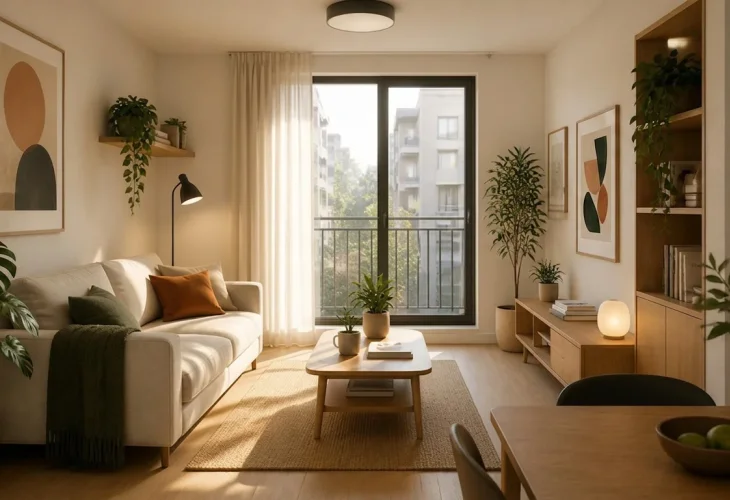
When I was younger, I dreamed of a spacious home with a huge kitchen and an elegant entertaining area. I imagined a home office with room for several bookcases, children's bedrooms with plenty of space to play, and a balcony overlooking a beautiful view.
Instead, for many years, my family and I lived in apartments that were simply too small, with far too little storage. I found myself constantly searching for ways to make the most of every square foot.
If you also live in a small apartment and have a limited budget, that doesn't mean you need to sacrifice style. In an article published by Apartment Therapy, interior designer Brad Thornton shared his favorite techniques for making compact homes feel significantly larger.
Thornton explains that the single most effective way to make a small space feel bigger is to think vertically. When the eye is naturally drawn upward, the room instantly appears to have higher ceilings and a more open feel.
"Any design element that draws attention upward immediately creates a sense of height and breathing room," he says.
These are his top tips for maximizing every inch of your home.
1. Make the Ceiling the Star of the Room
According to Thornton, most people focus only on the floor or on objects at eye level. When all of the furniture and décor remain in the lower half of the room, the space feels crowded and much smaller than it actually is.
You don't need to raise your ceiling physically. Instead, highlight it.
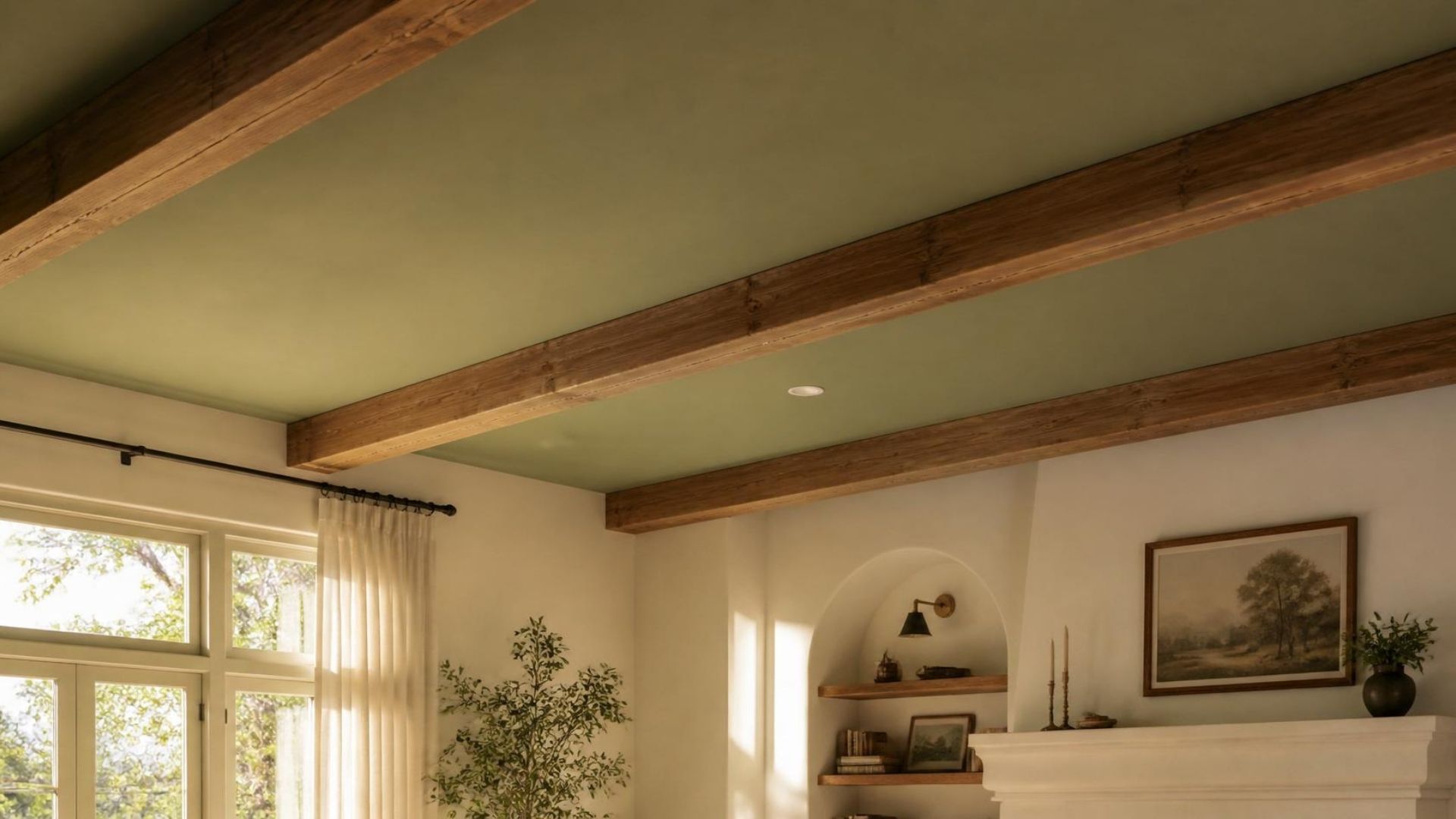
Painting the ceiling in a bold color or applying an eye-catching wallpaper can dramatically transform the room. Few things draw the eye upward more effectively than an unexpected splash of color or a distinctive pattern overhead.
If painting isn't an option, hang your curtains as close to the ceiling as possible rather than directly above the window frame. This simple trick creates the illusion of taller walls and higher ceilings.
2. Don't Be Afraid of Mirrors
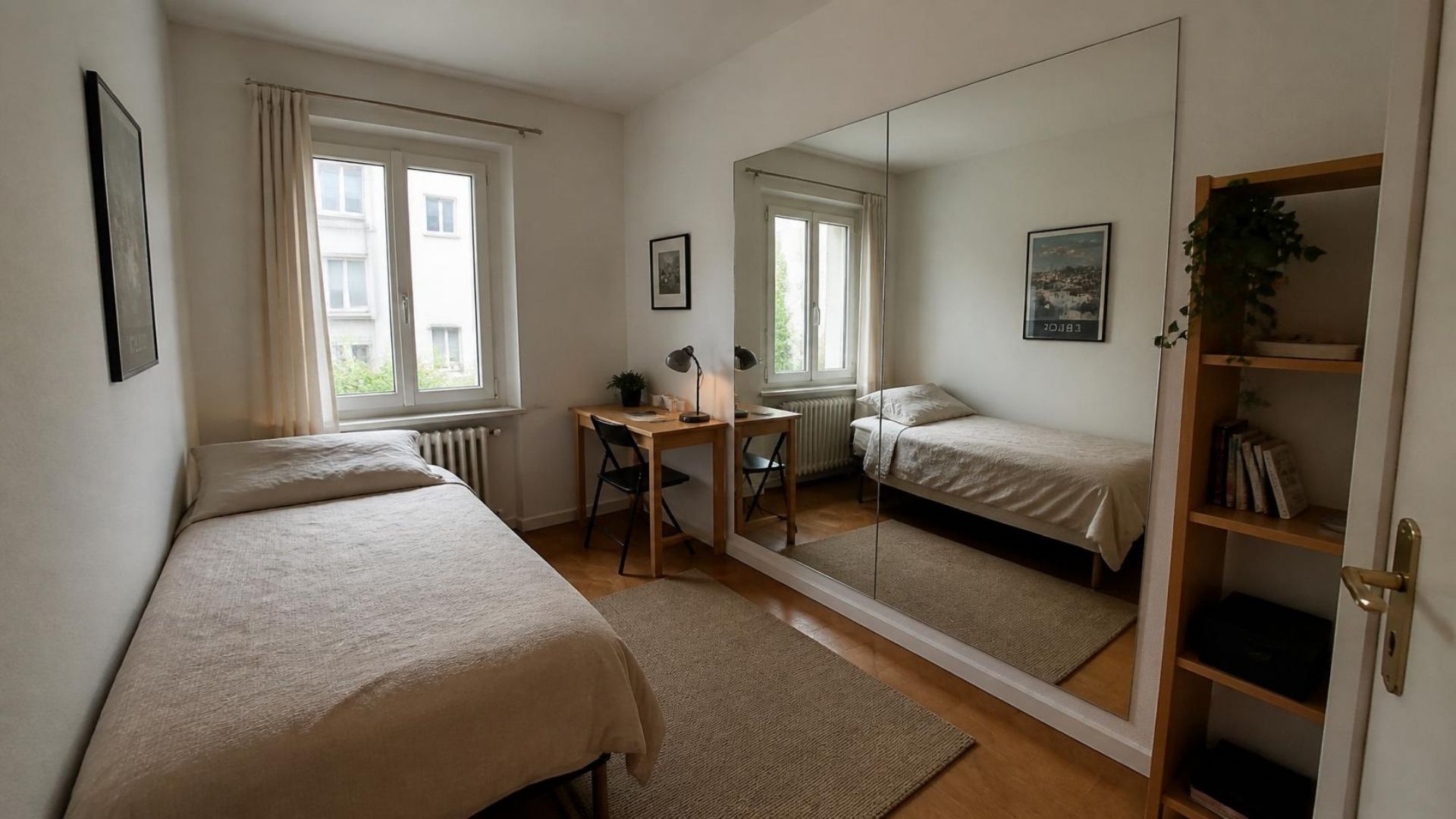
One of designers' favorite tricks for improving small spaces is the strategic use of mirrors.
"Mirrors are our magic solution," Thornton explains. "They reflect light throughout the room, brighten dark corners, and trick the eye into believing there's more space beyond the wall."
Even one large, well placed mirror can make a room feel brighter and more spacious.
For an even more distinctive look, consider creating a gallery wall made up of several smaller mirrors, such as vintage finds from a flea market. You'll add character while maximizing natural light.
3. Get the Proportions Right
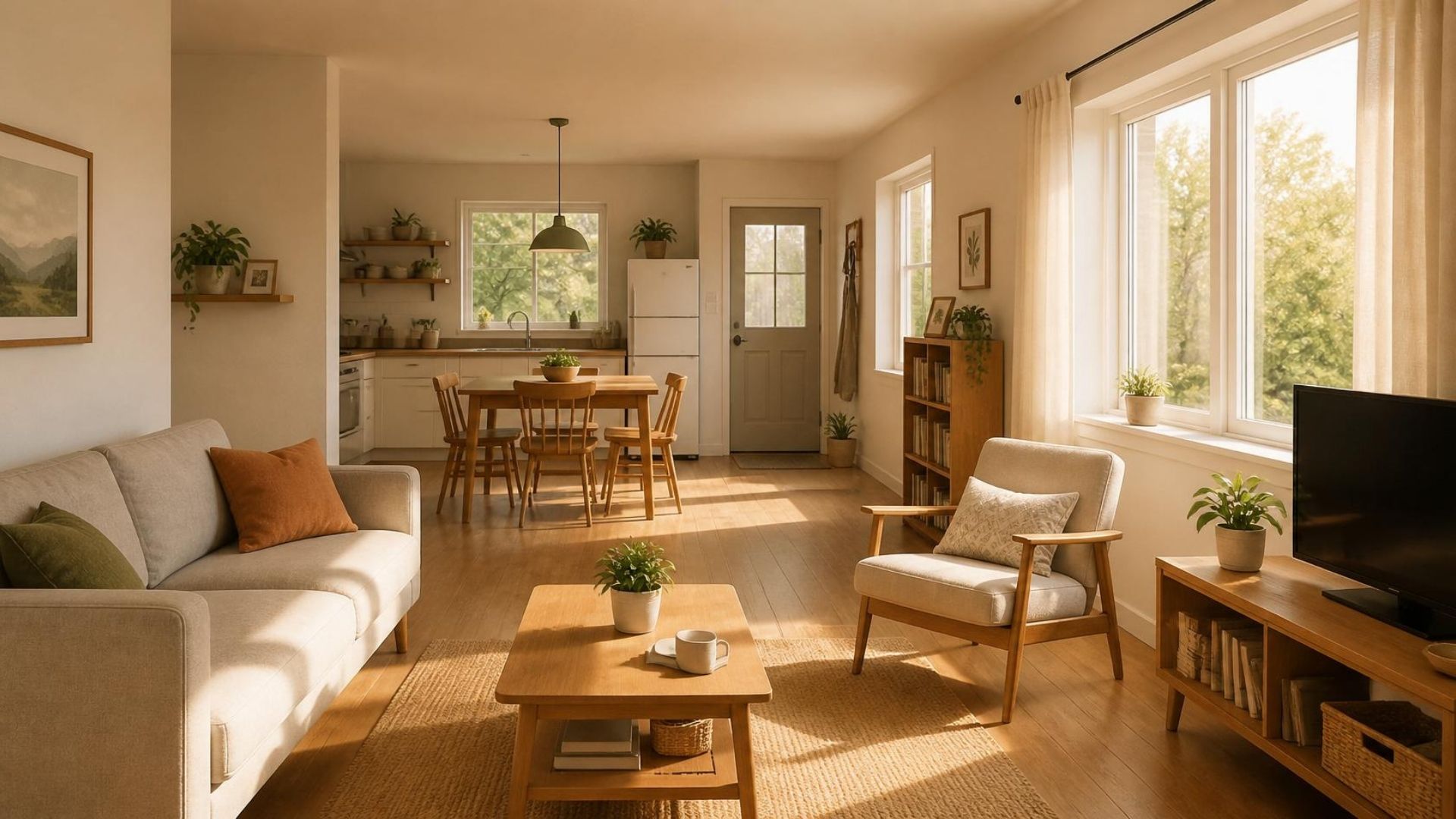
A common misconception is that small rooms require tiny furniture. Thornton argues that proportion is everything.
"It's essential to pay close attention to scale. Oversized furniture will certainly overwhelm a room and make it feel cramped. But furniture that's too small can make the space feel awkward and poorly planned. When the proportions are right, even a compact room can feel open, airy, and thoughtfully designed."
4. Invest in Smart Storage and Reduce Visual Clutter
Small homes become cluttered quickly, and visual clutter immediately makes a room feel more confined.
Organization is therefore just as important as decoration.
"Creating smart storage solutions and reducing visual clutter gives a home real breathing room," Thornton says. "A carefully planned room will always look and feel better. Clean, organized spaces automatically appear larger, calmer, and more inviting."
5. Divide Shared Children's Rooms Wisely
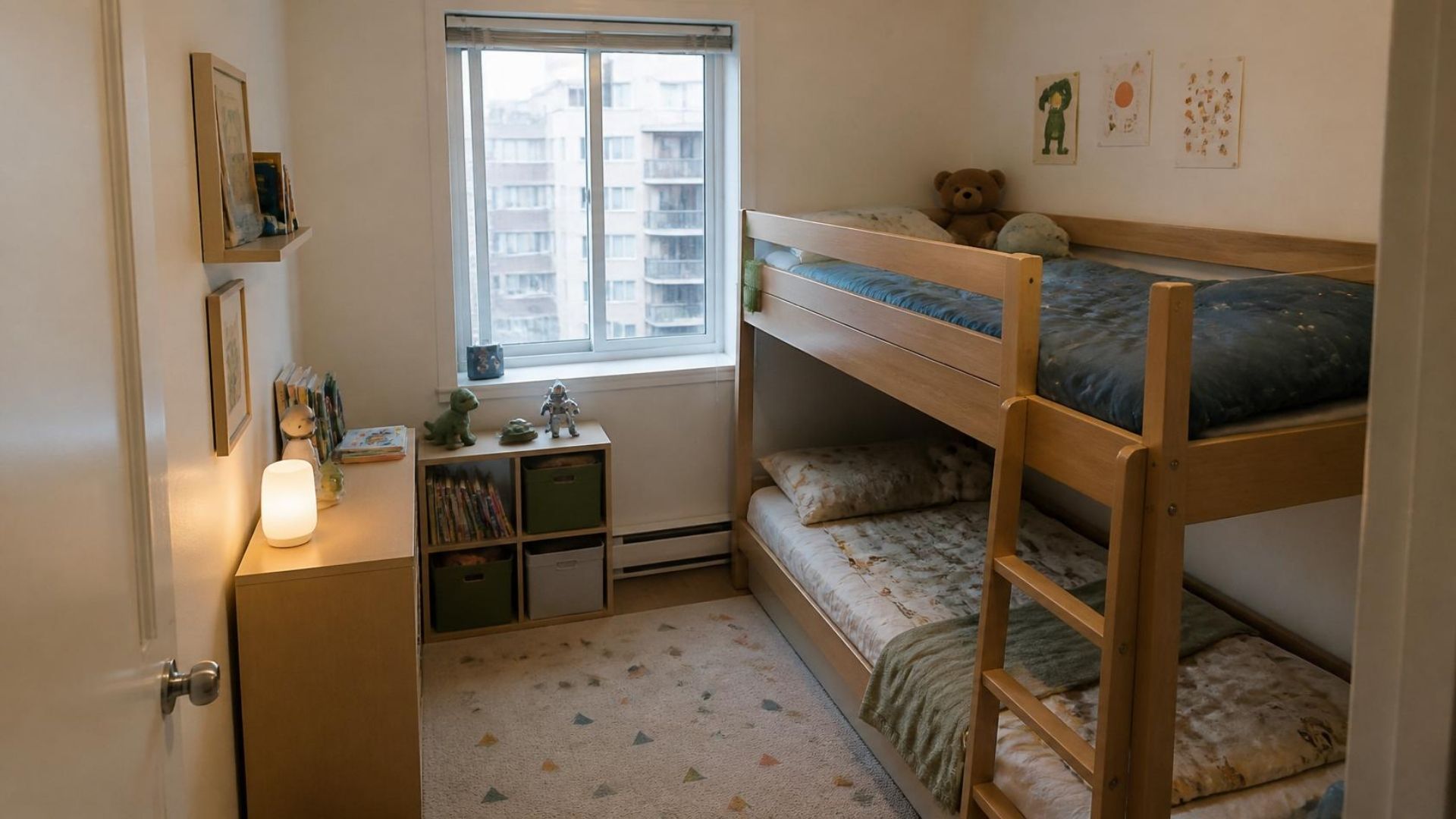
American designer Alyssa Gautieri explains that siblings sharing a bedroom is often unavoidable in smaller homes. Fortunately, thoughtful design can make the arrangement much more comfortable.
Think Vertically
Bunk beds remain a classic solution, but today's loft beds offer even more flexibility by creating space underneath for a desk, reading nook, or wardrobe. They make excellent use of vertical space.
Create Gentle Visual Separation
Children don't need permanent walls to enjoy a sense of personal space.
Different paint colors, a lightweight curtain, or an open double sided bookshelf can divide the room while maintaining an open, airy atmosphere.
Rotate Toys
One of the smartest rules for small children's rooms is that not every toy needs to be accessible all the time.
Keep about one third of the toys available in attractive storage bins at the children's height, while storing the rest in a high cabinet or storage room. Rotate the toys every month.
To children, it feels as though they've received brand new toys, while the room stays organized and uncluttered.
6. Make Your Living Room More Flexible
The living room is the heart of the home. It serves as a family gathering place, an entertaining area, and often a dining space as well.
In a small apartment, flexibility is key.
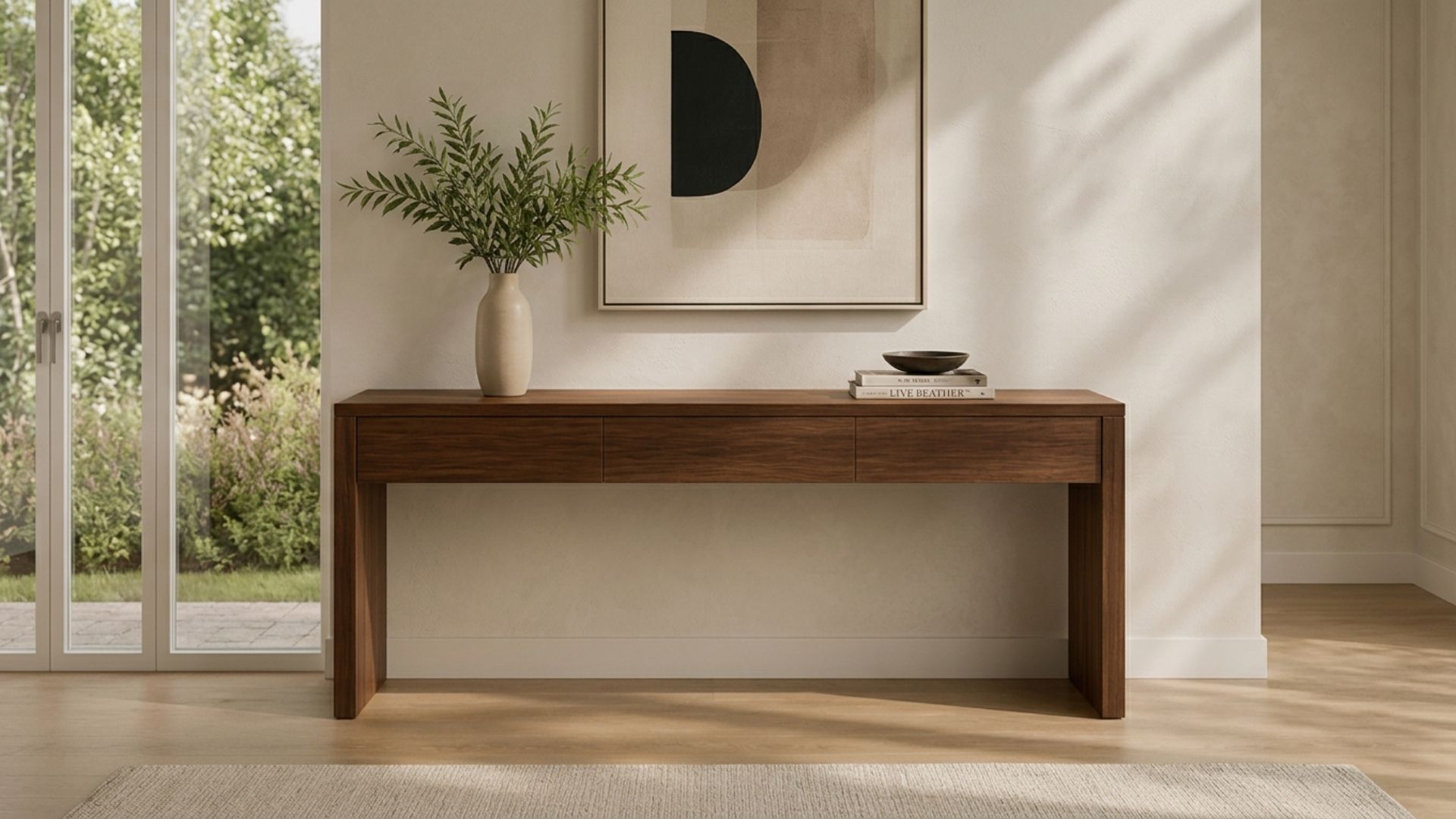
Instead of dedicating half the room to a large dining table, consider an expandable console table. During the week it functions as a slim console against the wall, while on weekends it easily extends to seat ten to twelve guests.
Nesting coffee tables are another excellent solution. They save valuable floor space every day and can be pulled apart whenever extra surface area is needed.
7. Use Light and Color to Expand the Space
The easiest and most affordable way to transform a room is through thoughtful use of light and color.
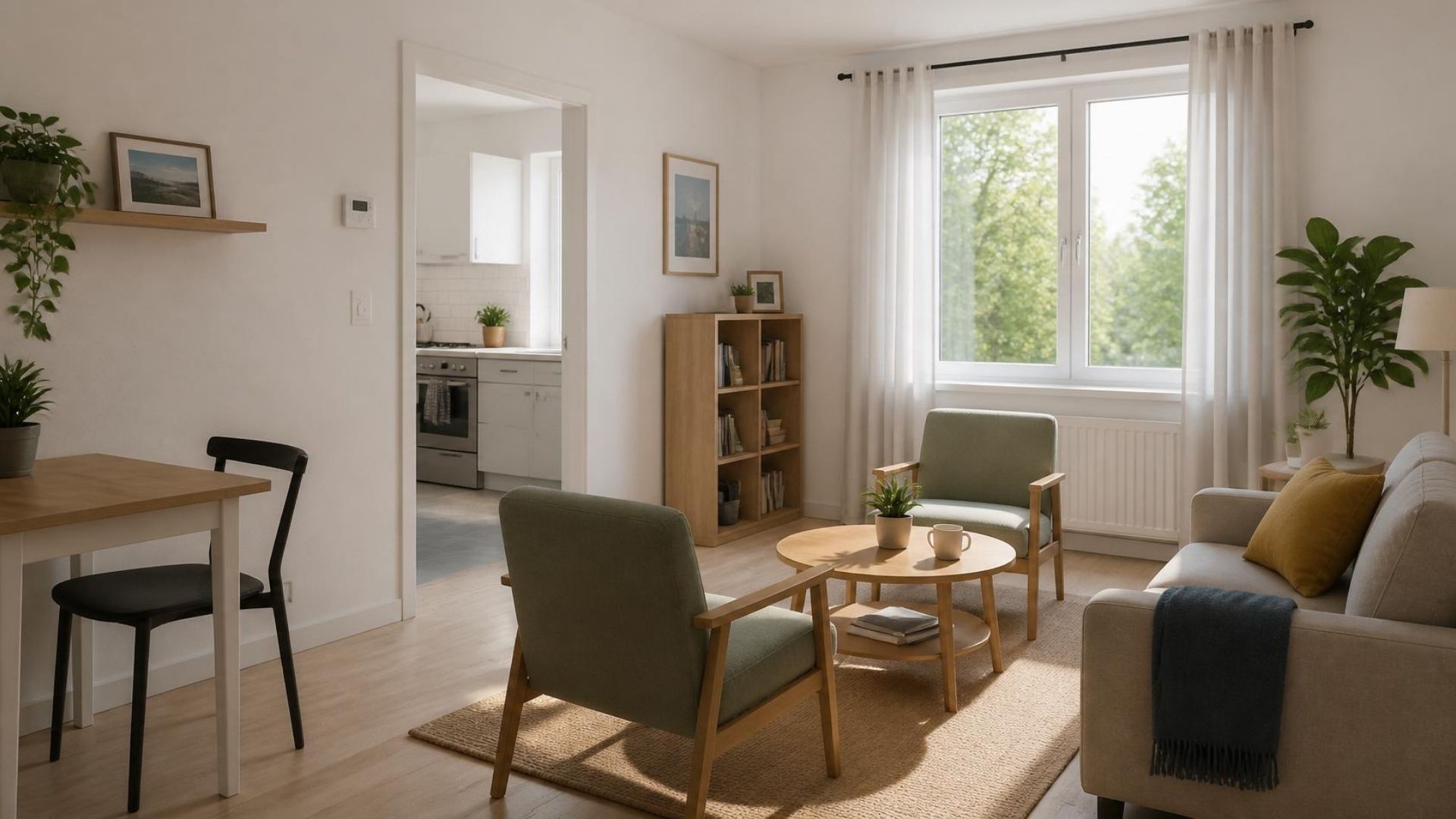
Let natural light fill your home. Avoid blocking windows with bulky furniture or heavy, dark curtains. Natural light is the most effective space enhancer there is. Choose sheer curtains that soften harsh sunlight while keeping the room bright and welcoming.
Light colored walls, such as cream, warm off white, or soft gray, reflect light beautifully and create a greater sense of openness and airiness.
Sometimes making a home feel bigger has little to do with adding more space and everything to do with using the space you already have more thoughtfully. With careful planning, smart storage, balanced proportions, and plenty of natural light, even the smallest apartment can feel stylish, comfortable, and surprisingly spacious.

