

Health and Nutrition
Is Matcha Worth the Hype? A Nutrition Expert Explains
Matcha is everywhere, but does it deserve the hype? Discover its potential benefits for energy, focus, memory, and stress, plus the best time to drink it.
- Yitzchak Eitan
- | Updated
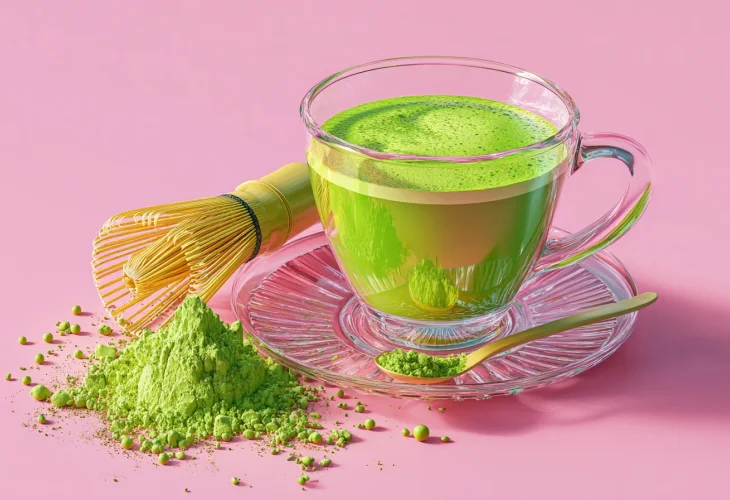
Matcha has become a major health and wellness trend, taking over social media and appearing on the menus of cafés and juice bars everywhere. But the big question is whether matcha is simply another internet trend that will eventually disappear, or whether this vibrant green drink really deserves its reputation as a healthy choice.
Dr. Maya Rozman recently shared several interesting facts about matcha on her program on Israel’s 103FM radio station, explaining what makes it different from ordinary green tea and what it may actually do for your health.
“Unlike regular green tea, where we steep the leaves and throw them away, with matcha we drink the leaf itself, ground into a fine powder,” she explains. “As a result, the body receives a huge amount of powerful antioxidants, which help fight free radicals, support blood-vessel health, and slow cellular aging processes.”
Matcha vs. Coffee: Energy Without the Crash?
Matcha also contains caffeine, and according to Dr. Rozman, the amount in a serving can be fairly close to that of a cup of espresso.
However, she explains that matcha may feel different from coffee because it also contains an amino acid that has a calming effect on the nervous system.
“Unlike coffee, there is no familiar ‘energy crash’ after an hour. Matcha contains a unique amino acid that calms the nervous system. This combination provides sustained alertness, energy, and focus, but in a relaxed way, without jitters or a racing heartbeat.”
This combination of caffeine and the amino acid L-theanine is one of the reasons matcha has become particularly popular among people looking for an alternative to coffee.
What Are the Health Benefits of Matcha?
So what can drinking matcha actually help with?
“First of all, improving memory,” Dr. Rozman says. “The latest studies clearly show that this drink improves memory, shortens reaction time, and increases attention levels. In addition, it has been found to help reduce measures of anxiety and everyday stress.”
Matcha is also frequently promoted as a weight-loss drink, but Dr. Rozman cautions against expecting dramatic results.
“It has a very slight effect on metabolic rate, but it is not magic. It is simply a wonderful addition to a healthy lifestyle.”
In other words, while matcha may have a modest effect on metabolism, it should not be viewed as a shortcut to weight loss.
When Is the Best Time to Drink Matcha?
According to Dr. Rozman, the best time to drink matcha is in the morning or early afternoon, particularly when you want an energy and concentration boost.
Because matcha contains caffeine, however, it is better to avoid drinking it from late afternoon onward. Having it too late in the day could interfere with the quality of your sleep.
There is another consideration for people who are prone to anemia. Like coffee, the antioxidants in matcha may slightly interfere with the body’s absorption of iron from food. Dr. Rozman therefore recommends leaving about an hour between drinking matcha and eating a meal if low iron is a concern.
How Can You Tell if Matcha Is High Quality?
Not all matcha powders are created equal, and Dr. Rozman says one of the easiest ways to judge quality is simply to look at the color.
“The secret is in the color,” she explains. “Truly high-quality matcha comes from the youngest, highest-quality leaves, and its color is bright, vibrant, fluorescent green, while its flavor is delicate.”
By contrast, matcha powder that appears dark olive green, yellowish, or brown is generally lower quality. According to Dr. Rozman, it is also likely to taste more bitter and contain fewer of the beneficial components associated with higher-quality matcha.
So is matcha worth the hype? According to Dr. Rozman, it offers antioxidants, caffeine combined with L-theanine, and potential benefits for attention, memory, and stress. It may not be a miracle drink or a magic solution for weight loss, but as part of a healthy lifestyle, there are good reasons why this bright green drink has become so popular.

